Container buying guide
New, one-trip or used: which grade to buy
Condition language is shorthand, not specification. Two containers sold under the same grade can differ a great deal.
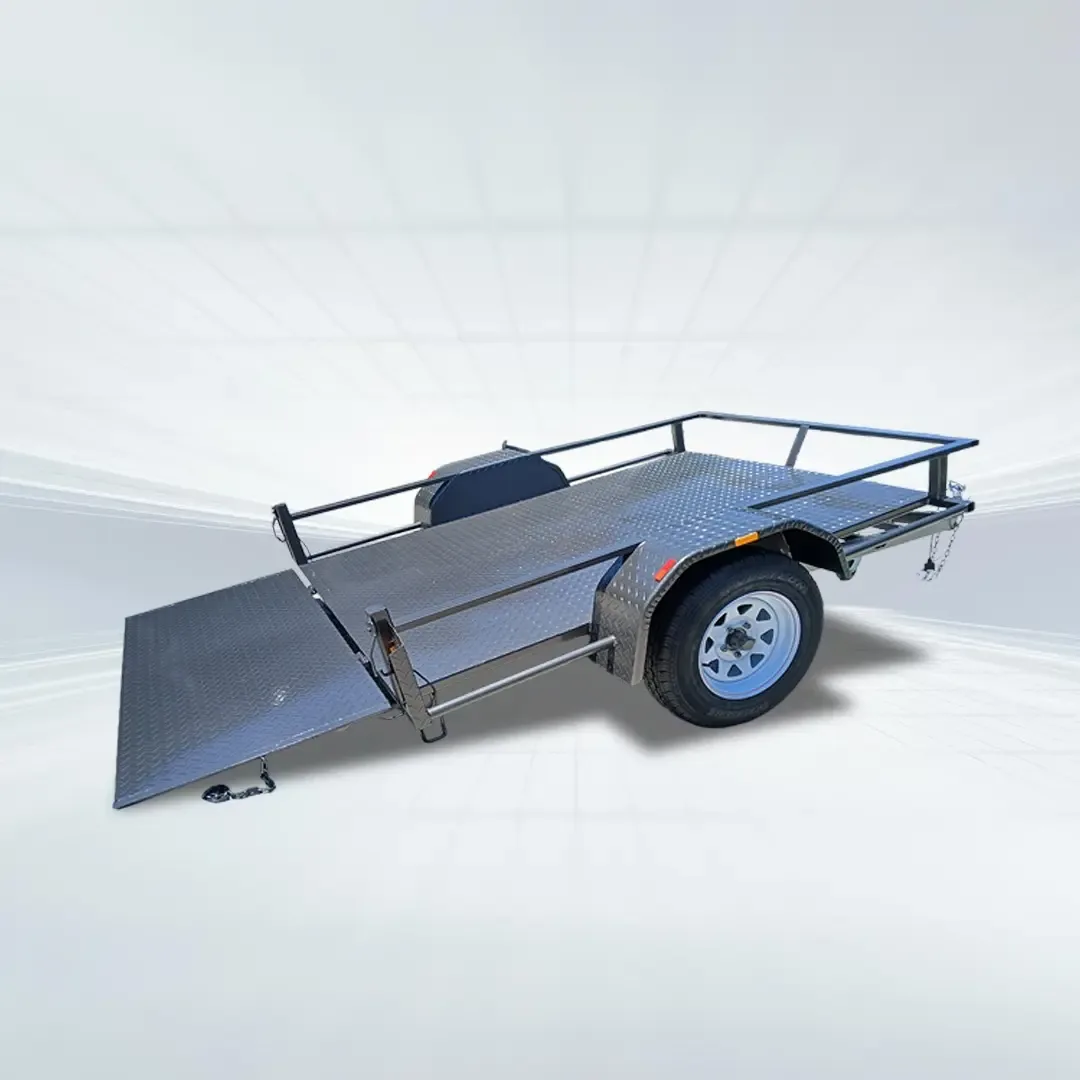 8×5 Golf Cart Trailer/ 750 Kg Gvm/ Rear drop down ramp — tap to view
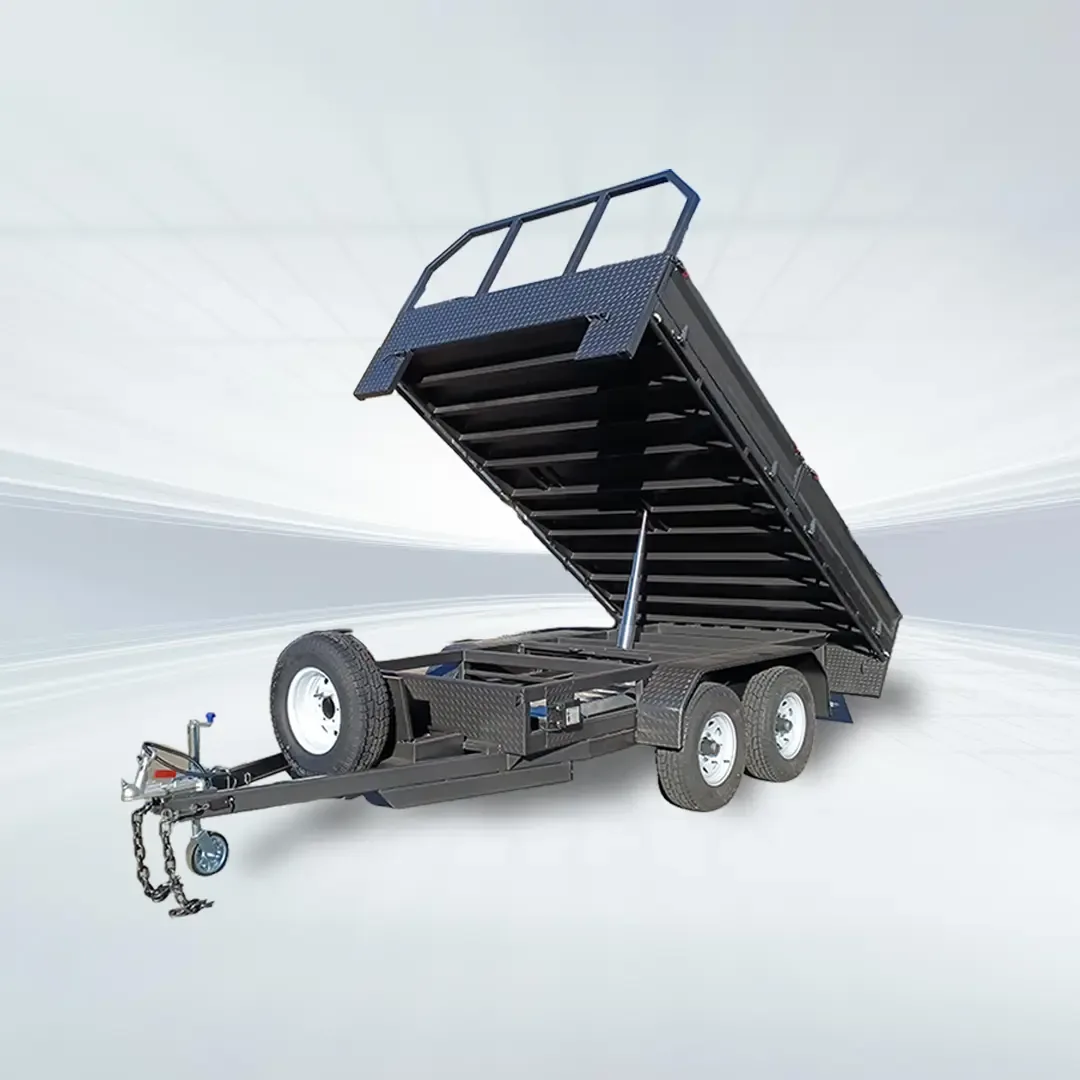 12×7 Flat Top Tipper Trailer/ 3500 kg GVM/ Removable Sides + Headboard — tap to view
The grades are a starting point
Grades describe roughly where a unit sits between factory-fresh and end-of-service. They are useful for narrowing a shortlist and they are not a substitute for knowing about the particular unit you are buying. Always move from the grade to the specific container before you commit.
New and one-trip
A one-trip container has been built and used for a single loaded voyage. In practice it looks close to new: sound paint, clean interior, square doors, minimal marking. It costs the most and it is the right choice where appearance matters, where the unit will be converted or modified, and where you want the longest service life. For a cabin or a fit-out it is almost always worth the difference, because you are not building a finished interior around compromised steel.
Wind and watertight used containers
A used container has done a full shipping life. Expect dents, surface rust, patch repairs and repaints — the question is whether the shell, floor, doors and seals are sound. A wind and watertight grade keeps rain out and is ideal for storage on a budget. For keeping tools, stock, machinery or records dry, this is usually the sensible balance between price and condition.
Cargo-worthy
Cargo-worthy means the unit has been inspected as fit to carry cargo in international shipping, with a valid CSC safety-approval plate. It matters if you intend to ship or export in the container. For storage on your own property it is not usually necessary, and you may be paying for certification you will never use.
High cube or standard height
A high cube adds about a foot of internal height, at 9ft 6in against the standard 8ft 6in. For storage that is often unnecessary. For anything you plan to insulate, line or occupy it matters enormously, because insulation and floor build-up eat the headroom and a standard-height conversion can end up uncomfortably low. If it will be lined, lean high cube.
What to ask about the specific unit
Current photographs of that container, not a category image. The state of the roof, where water collects and corrosion hides. The floor, including soft spots and previous repairs. The doors: do they close square, do the locking bars work, are the seals intact. Any patches and where they are. And whether the CSC plate is present and valid, if that matters to you.
Matching grade to use
Conversion, cabin, long-term storage of valuable contents, or anything where appearance matters: buy new or one-trip. General storage of robust gear: wind and watertight used is the sensible buy. Shipping or export: cargo-worthy with a valid plate. Decide the use first and let it choose the grade, rather than letting the price choose for you.
In stock — buy now
Ready to buy now
Real units from the Steel Box yard — delivered free, Australia-wide.
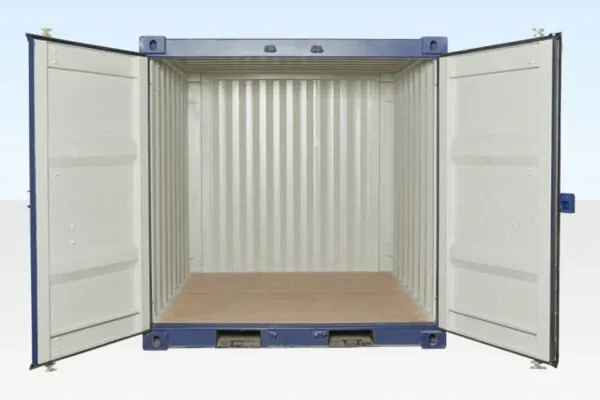
8ft x 10ft Containers
8ft Shipping Container One Trip (Blue)
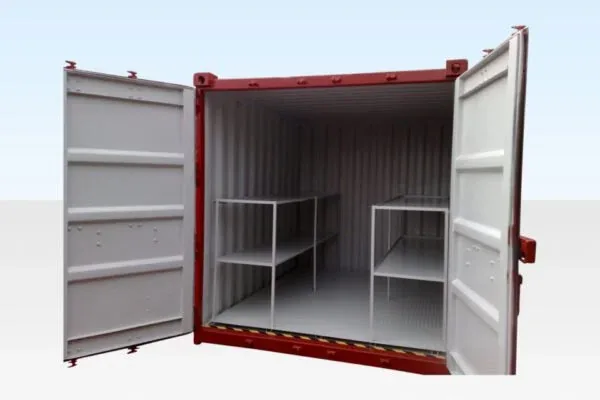
8ft x 10ft Containers
8ft X 8ft Flat Floor Bunded Store
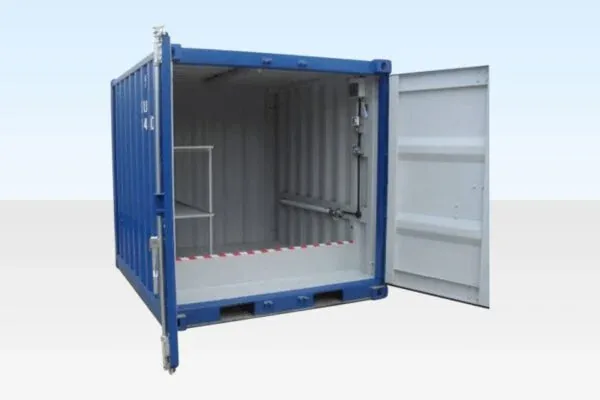
8ft x 10ft Containers
8ft X 8ft Raised Bunded Store
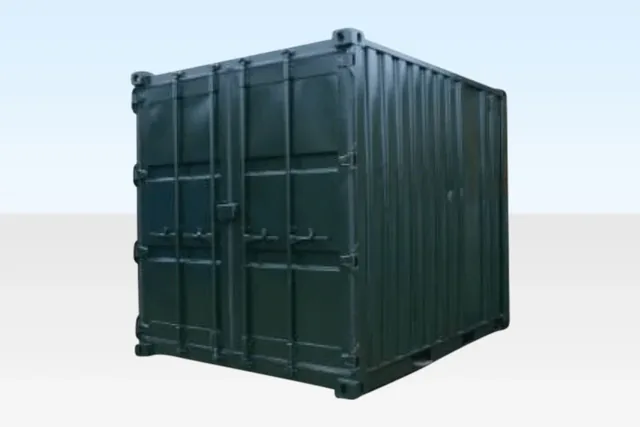 Used
8ft x 10ft Containers
10ft Cut-Down Used Shipping Container
Common questions
What is the difference between new and one-trip?
One-trip containers have made a single voyage from the factory, so they are near-new with clean walls and good seals. Both are the right choice for conversions and where appearance matters.
Is a used container watertight?
A wind and watertight grade keeps rain out and suits storage well. Expect cosmetic wear — dents, surface rust and repaints — and judge the shell, floor, doors and seals.
Do I need a cargo-worthy container?
Only if you intend to ship or export in it, where a valid CSC plate is required. For storage on your own property it is usually unnecessary.
Should I buy a high cube?
For storage, usually not. For anything you will insulate, line or occupy, yes — insulation and flooring take headroom and a standard-height conversion can end up too low.
More from the Steel Box yard
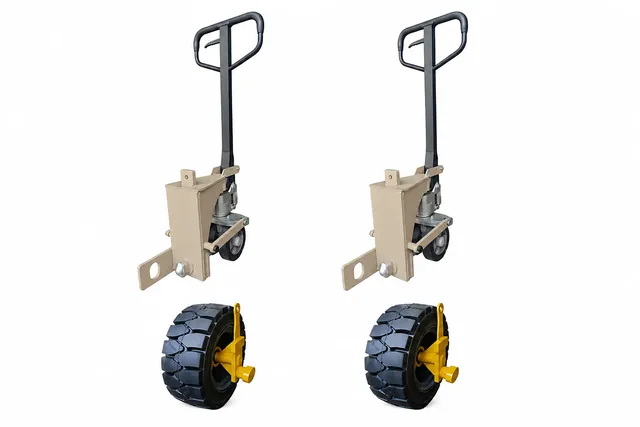
Container Accessories
Shipping Container Jack & Wheel Set — New
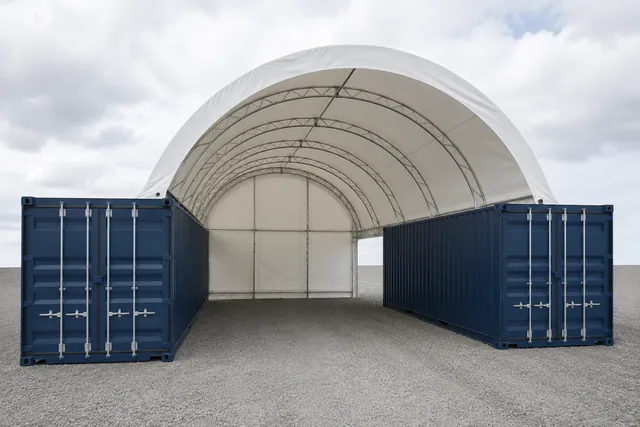
Container Accessories
20x20ft Container Dome Shelter
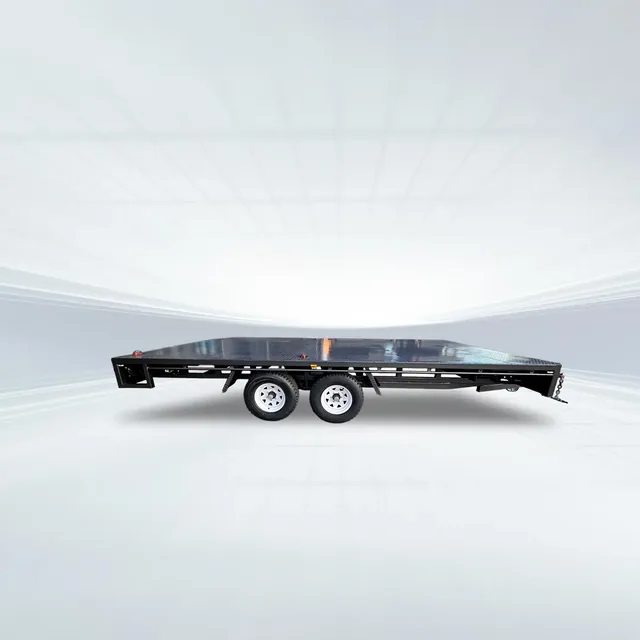
Flat Top Trailers
4.8m x 2.4m flat Top Trailer/ 3500 Kg Gvm/ 4 x container pin locks
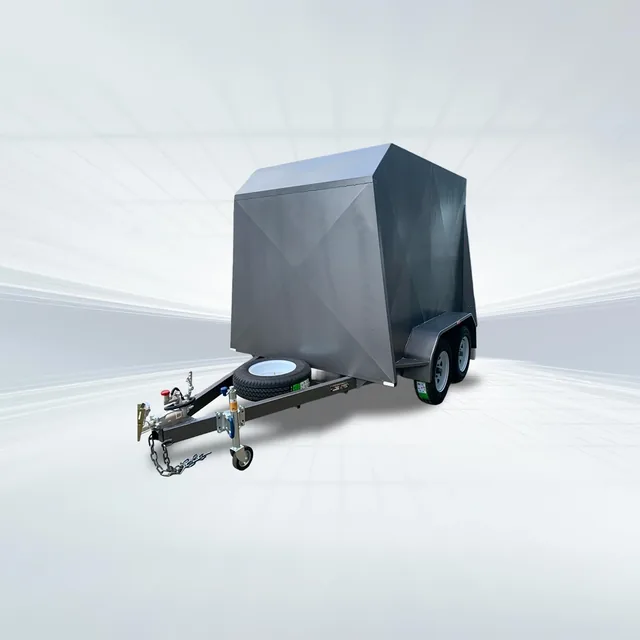
Enclosed Trailers
8×5 Enclosed Trailer/ 1990 Kg GVM/ 6ft High internally/ Rear Barn doors
Talk to Steel Box Trailers
Ready when you are.
Tell us what the container is for and we will point you at the right grade.