Trailer buying guide
GVM, tare and trailer brakes explained
Most trailer buying mistakes come from confusing what the trailer can carry with what your vehicle can legally tow.
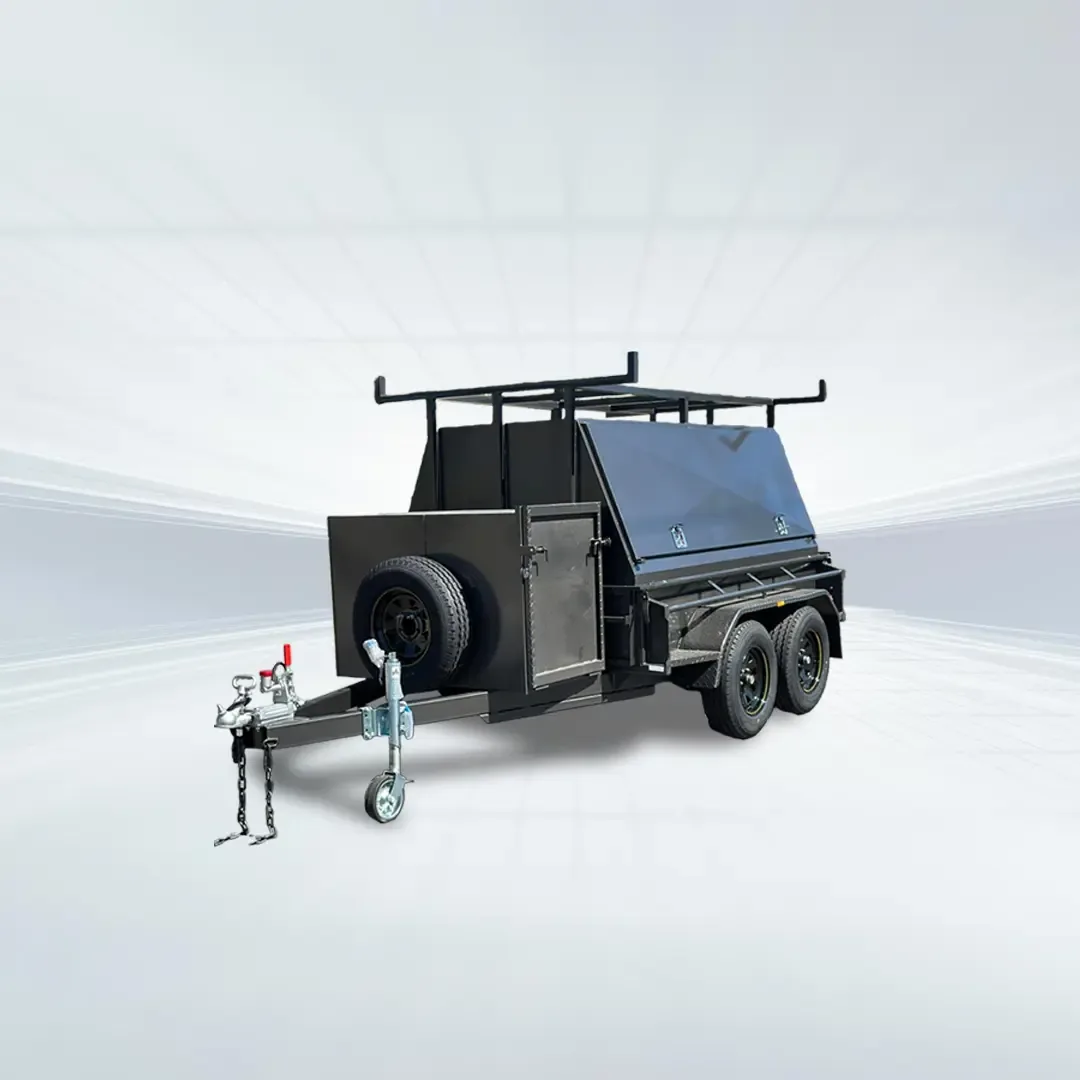 8×5 Tradesman Trailer/ 1990 Kg GVM/ 1 Piece design/ Compressor Box — tap to view
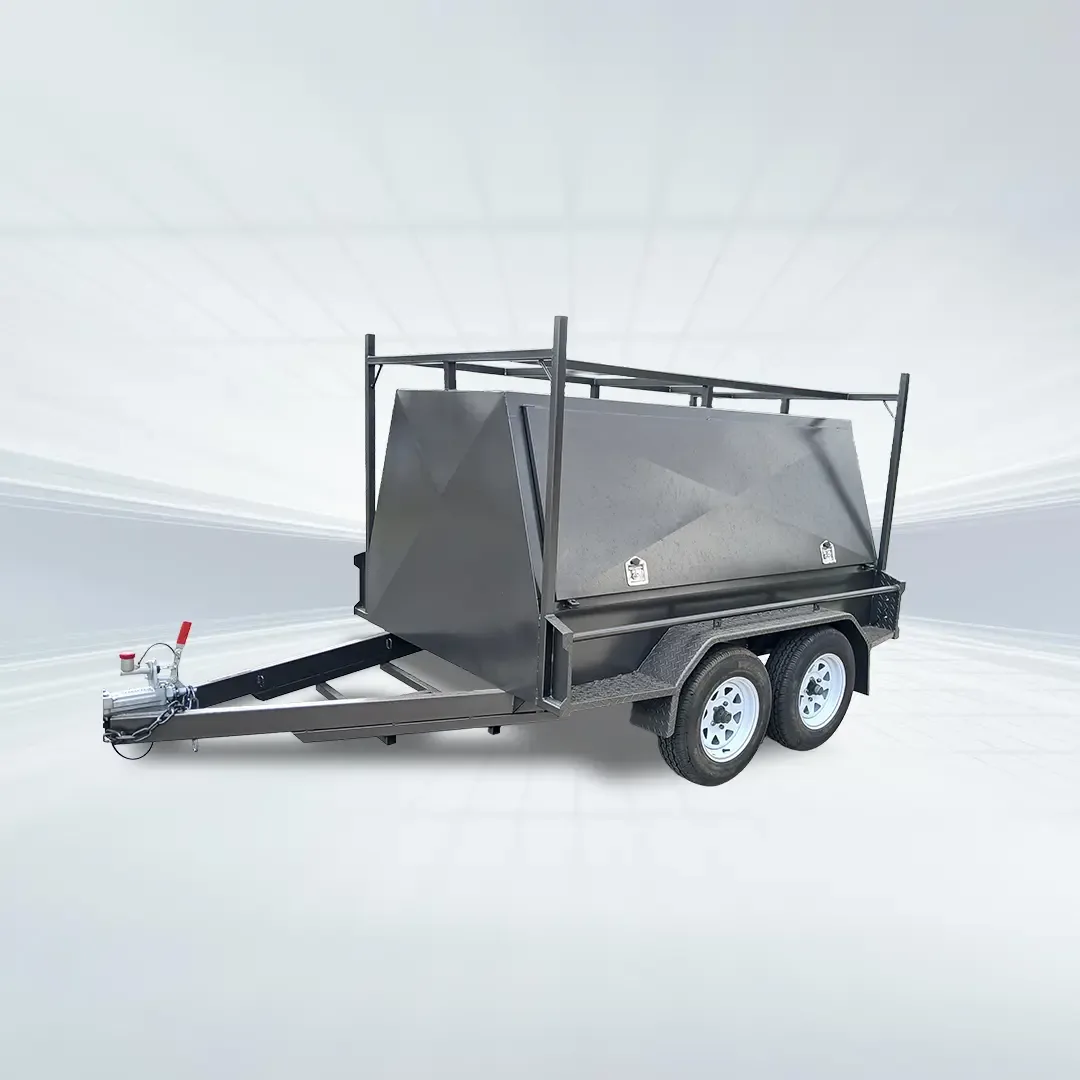 8×5 Tradesman Trailer/ 1990 Kg GVM/ 1 Piece design — tap to view
Tare, GVM and payload
Tare is what the trailer weighs empty. GVM — gross vehicle mass — is the most it may weigh fully loaded, including its own weight. Payload is simply GVM minus tare: the actual weight of goods you can legally put on it. People routinely assume a trailer rated at 2,000 kg carries 2,000 kg of load. It does not. Subtract the tare first, and the real number is often several hundred kilograms lower than expected.
Your vehicle is usually the limit
The trailer rating is only half the equation. Your tow vehicle has its own towing capacity, often quoted as braked and unbraked figures, plus a maximum towball download and a gross combination mass covering vehicle and trailer together. The lowest of those numbers is your real limit. Check the vehicle handbook or compliance plate against the loaded GVM you actually intend to use — not the empty weight.
The brake thresholds
As a general guide under the Australian design rules: trailers up to 750 kg do not require brakes; between 750 kg and 2,000 kg require brakes on at least one axle; and above 2,000 kg require brakes on every wheel plus a breakaway system that applies the brakes automatically if the trailer separates. These are the national thresholds, and specific requirements should be confirmed with your state road authority.
Why the thresholds matter when choosing
The brake thresholds often decide the trailer, not the capacity. A trailer just under 750 kg GVM is simpler, cheaper and towable by more vehicles. Stepping above 2,000 kg brings electric brakes on all wheels, a breakaway system and usually a brake controller fitted in the tow vehicle. Work out what you genuinely need to carry before paying for capacity that brings obligations with it.
Towball download and loading
Roughly ten percent of the loaded trailer weight should sit on the towball — too little and the trailer sways dangerously at speed, too much and it unloads the tow vehicle front axle and spoils the steering. Load heavy items over or slightly forward of the axle, keep the load low, and restrain everything properly. How you load the trailer affects stability more than almost anything else.
Single or tandem axle
Single-axle trailers are lighter, cheaper, easier to manoeuvre by hand and simpler to maintain. Tandem axles carry more weight, ride more smoothly, and are considerably more stable at highway speed with a heavy load — and they keep going if a tyre fails. For light domestic use a single axle is usually right; for heavy or regular highway towing, tandem.
Registration and compliance
Trailer registration goes through your state road authority and the requirements vary by state and by trailer. We can talk you through the paperwork for the trailer you buy. Keep the compliance documentation with your records, and check tyre ratings and load restraint before the first trip rather than after.
In stock — buy now
Ready to buy now
Real units from the Steel Box yard — delivered free, Australia-wide.
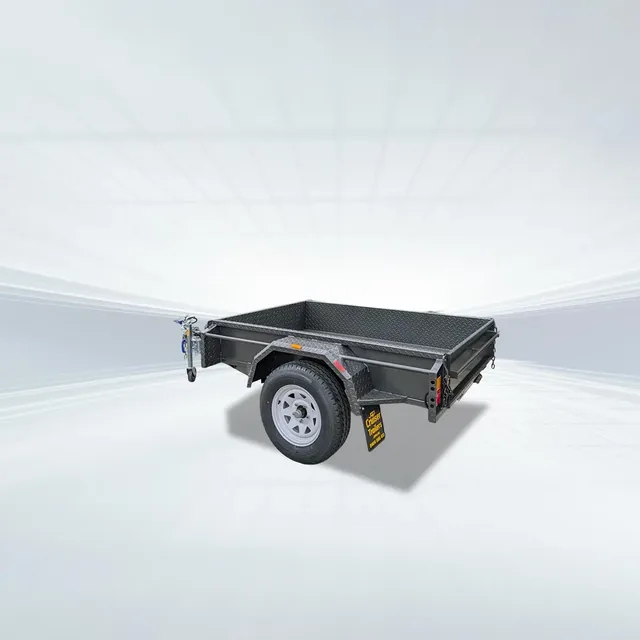
Box Trailers
7×4 hd trailer / 750kg gvm/ Full checkerplate/ Front & Rear Tailgate
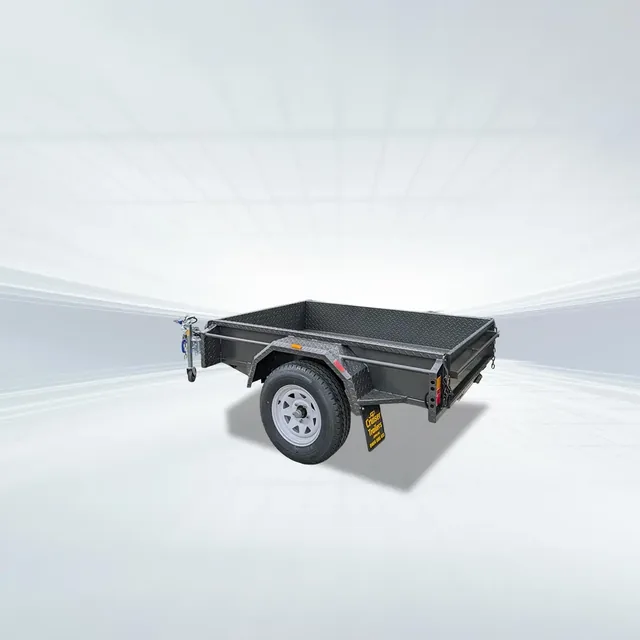
Box Trailers
6×4 hd trailer / 750kg gvm/ Full checkerplate/ Front & Rear Tailgate
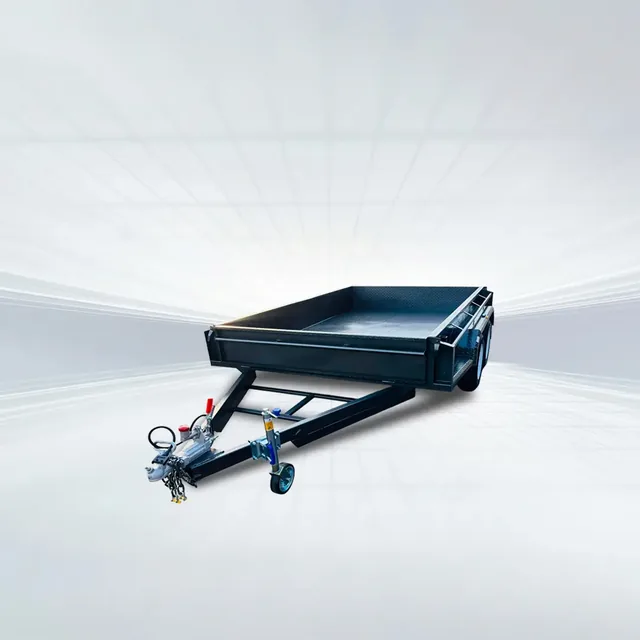
Box Trailers
12×6 Tandem Trailer/1990 kg GVM/ Full checkerplate/ 380mm Sides/ Full tie down rails
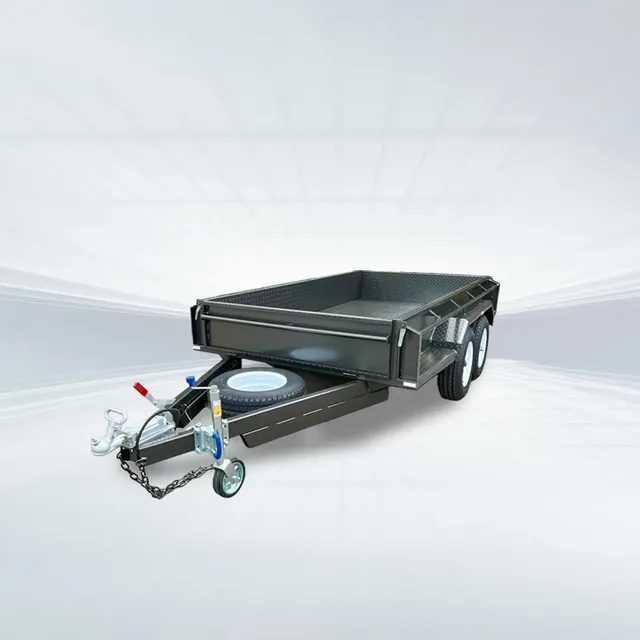
Box Trailers
10×5 Tandem Trailer/1990 kg GVM/ Full checkerplate/ 380mm Sides/ Full tie down rails
Common questions
What does GVM mean?
Gross vehicle mass: the most the trailer may weigh fully loaded, including its own weight. Payload is GVM minus the empty tare weight.
When does a trailer need brakes?
As a general guide: no brakes required up to 750 kg; brakes on at least one axle from 750 kg to 2,000 kg; brakes on every wheel plus a breakaway system above 2,000 kg. Confirm with your state road authority.
How much weight should be on the towball?
Around ten percent of the loaded trailer weight. Too little causes sway at speed; too much unloads the tow vehicle front axle.
Single or tandem axle?
Single axle for lighter domestic use — cheaper, lighter, easier to move by hand. Tandem for heavier loads and regular highway towing, where it is more stable and rides better.
More from the Steel Box yard
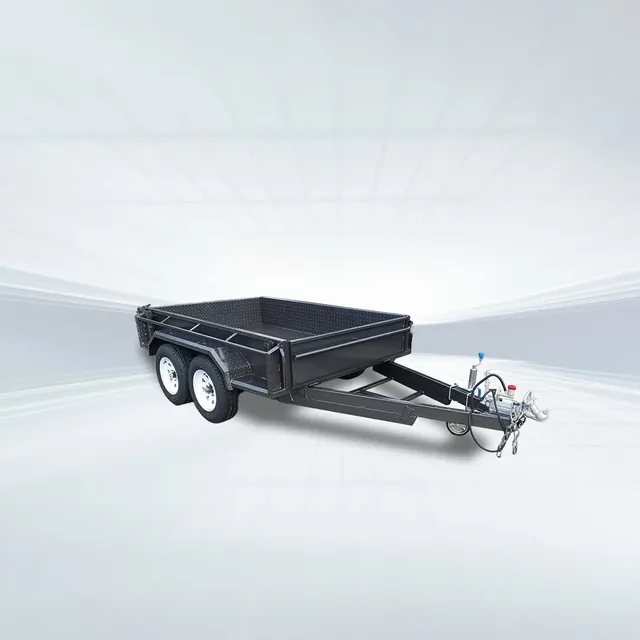
Box Trailers
8×5 Tandem Trailer/1990 kg GVM/ Full checkerplate/ 380mm Sides/ Full tie down rails
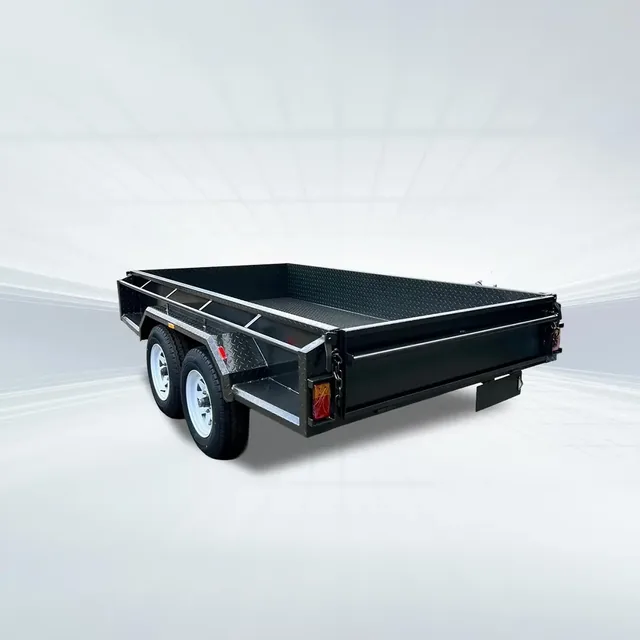
Box Trailers
12×5 Tandem Trailer/1990 kg GVM/ Full checkerplate/ 380mm Sides/ Full tie down rails

Box Trailers
10×6 Tandem Trailer/1990 kg GVM/ Full checkerplate/ 380mm Sides/ Full tie down rails
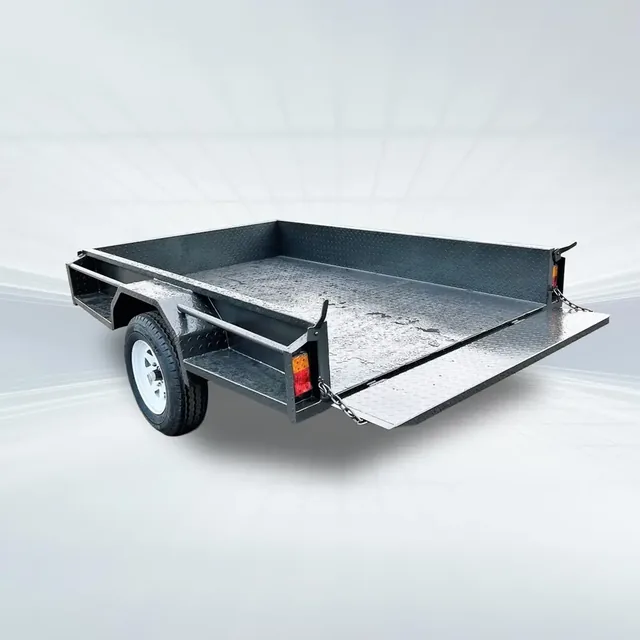
Box Trailers
8×5 hd trailer / 750kg gvm/ Full checkerplate/ Front & Rear Tailgate
Talk to Steel Box Trailers
Ready when you are.
Tell us the load and the tow vehicle and we will match a trailer to it.