Site preparation guide
What to put a shipping container on
A container carries its whole weight on eight corner castings. What sits under those castings decides whether the doors still close in five years.
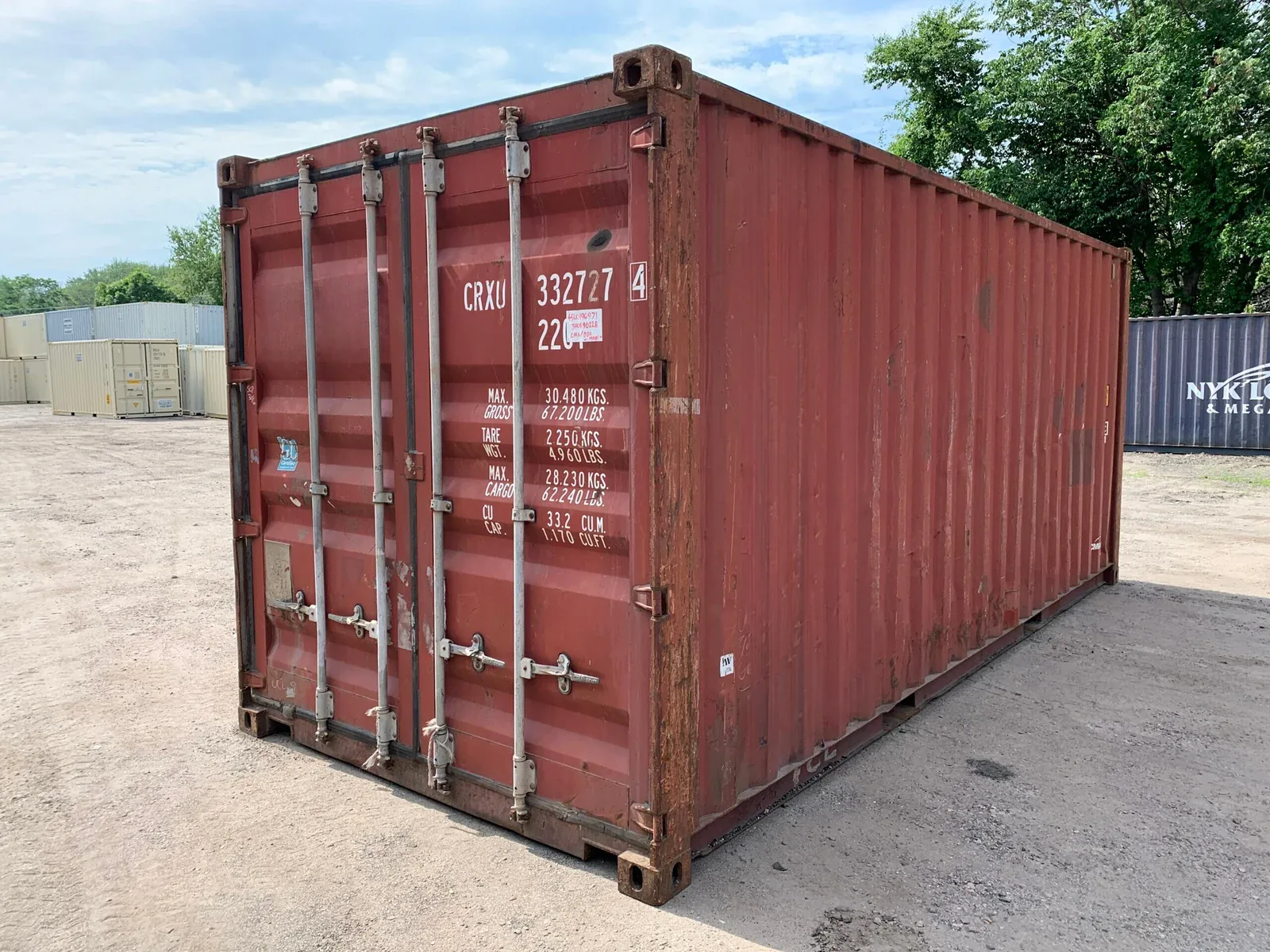 20ft Used Shipping Container (8.5ft Tall) – Brick Red – Wind & Watertight Storage — tap to view
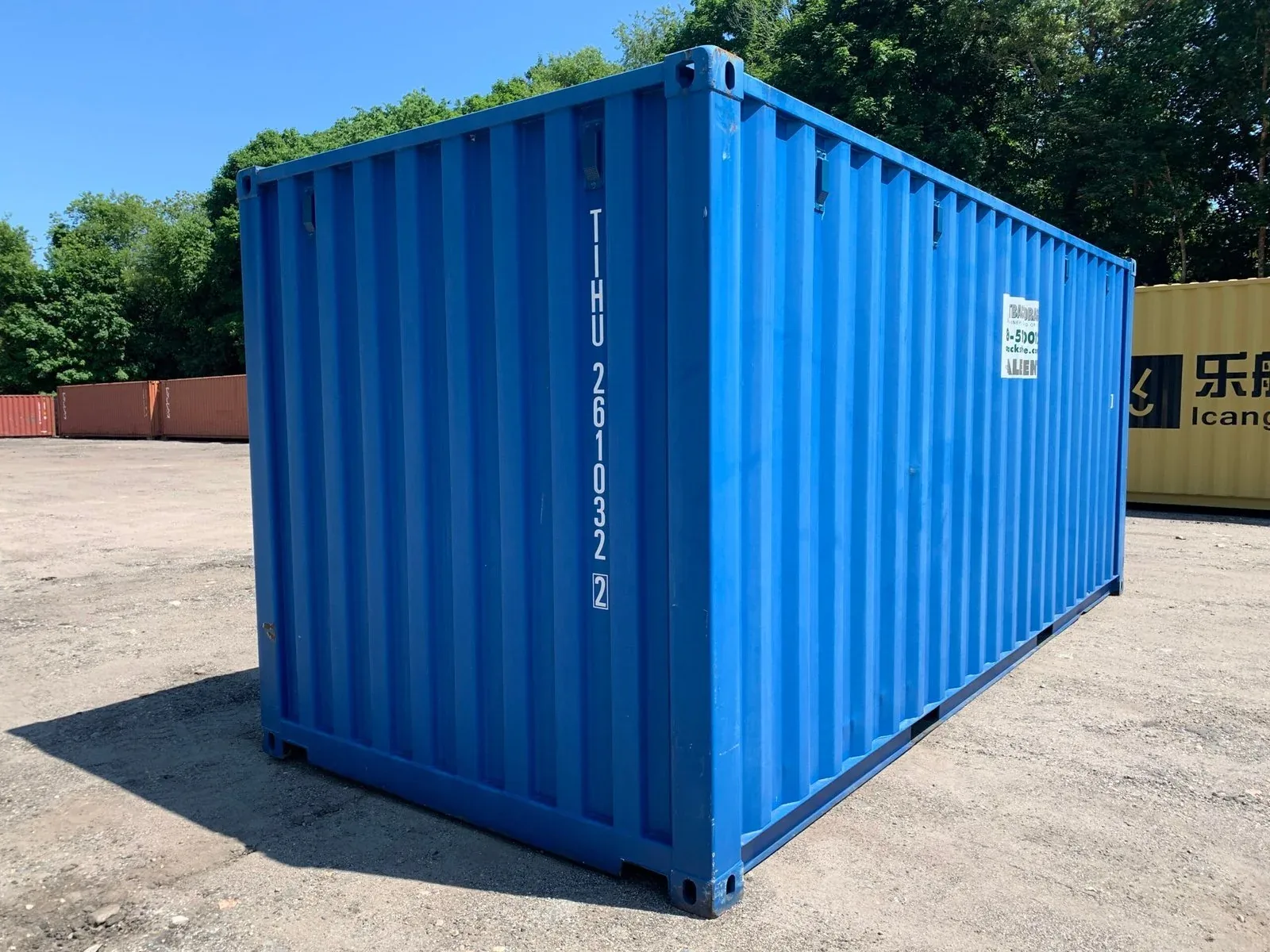 20ft x 8ft x 8.5ft Tall – New Shipping/Storage Container – Wind and Watertight – Blue — tap to view
Why the base matters so much
All of the load goes through the corner castings — not the floor, not the walls. Put three castings on firm ground and one on soft fill and the whole box twists. The first thing you notice is the doors: they stop meeting cleanly, the locking bars need forcing, and eventually the seals stop sealing and water gets in. None of that is a fault in the container, and all of it is avoidable.
Level across the diagonals
Most people level end to end, check the bubble and stop. The measurement that matters is across both diagonals, because that is the plane the door frame sits in. Check corner to corner both ways and shim until both read true — while the truck and its lifting gear are still on site, not afterwards.
Timber sleepers
Hardwood sleepers under the corner castings are the quickest and cheapest base that actually works. Lay them on a prepared, compacted surface rather than straight onto grass, make sure they sit flat and bear evenly, and accept that timber is a wear item that wants checking every few years. For most storage applications this is entirely adequate.
Concrete pads and footings
Individual concrete pads under each casting, or a full slab, give the most stable and permanent result. They suit reactive clay, long-term placement and anything that will be modified or occupied. The pads need to be sized for the ground conditions and set so that all eight bear evenly — a pad that is five millimetres proud of the others does the same damage as a soft corner.
Compacted crushed rock
A compacted crushed rock pad spreads load, drains well and copes with soft or sandy ground. Strip the topsoil, compact the subgrade, then build up with angular crushed rock rather than rounded gravel, which rolls under load. Run the pad past the container footprint so the edges do not erode, and give it a slight fall so water runs away.
Drainage and airflow
Water sitting under a container corrodes the underside and the cross-members, where you will not see it until it is serious. Make sure the ground falls away from the unit, keep vegetation cut back so air can move underneath, and never bank soil or mulch against the side walls. Raising the unit even slightly on its bearing points does more for its lifespan than almost anything else.
Australian ground conditions
Reactive clay through much of Melbourne and Adelaide swells and shrinks seasonally and will move a container over a year. Sand in Perth and coastal areas does not support point loads and lets castings sink. Queensland and northern sites add flooding, which a buoyant container will float in. Match the base to the ground you actually have, and re-check the level after the first full wet-to-dry cycle.
When the base needs engineering
Everything above is for storage use. Once a unit will be occupied — a cabin, an office, accommodation — the foundation becomes a regulated matter requiring an engineered, approved design rather than a practical choice. Resolve it before the build is specified, because the foundation can change the unit.
In stock — buy now
Ready to buy now
Real units from the Steel Box yard — delivered free, Australia-wide.
 Used
Used Shipping Containers
40ft Used Standard Wind and Watertight Shipping Container – Blue
 Used
Used Shipping Containers
40ft Used Shipping Container
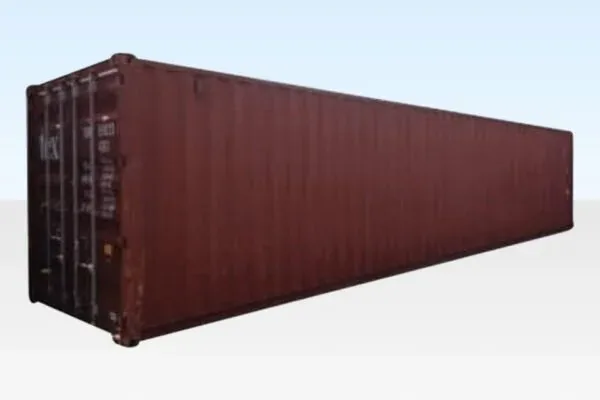 Used
Used Shipping Containers
40ft X 8ft Used Cargo-Worthy Dry Van
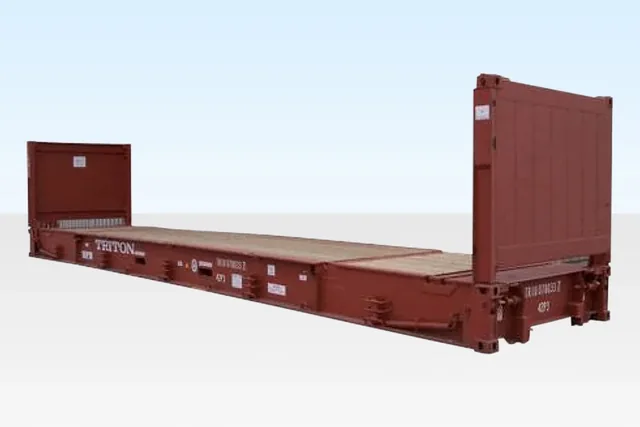 Used
Used Shipping Containers
40ft x 8ft Used Shipping Container Flat Rack
Common questions
Can I put a container straight on dirt?
You can, but it will settle unevenly, rack out of square and the doors will bind. Sleepers, concrete pads or compacted crushed rock under the corner castings prevent it.
How level does it need to be?
Level across both diagonals, not just end to end, because that is the plane the door frame sits in. Shim while lifting equipment is still on site.
Do I need concrete?
Not for most storage use — sleepers on a prepared base are adequate. Concrete suits reactive clay, permanent placement and anything modified or occupied.
Why does water under the container matter?
It corrodes the underside and cross-members where you cannot see it. Ensure the ground falls away, keep vegetation clear and let air move underneath.
More from the Steel Box yard
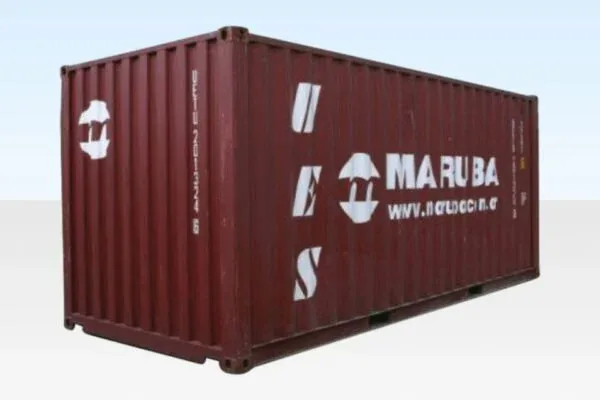 Used
Used Shipping Containers
Grade A Standard 20ft Shipping Container
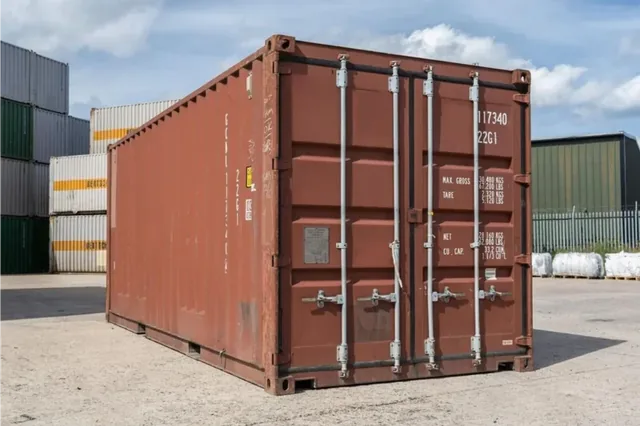 Used
Used Shipping Containers
20ft Used Storage Container – WWT Grade – Wind & Watertight Shipping Container
 Used
Used Shipping Containers
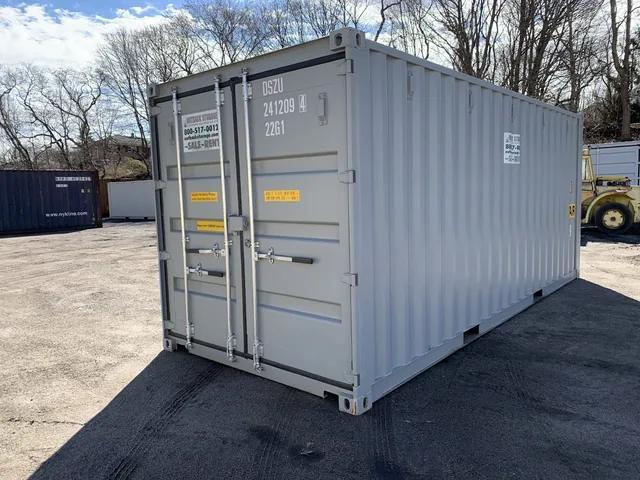
20ft x 8ft x 8.5ft Tall – New Double DoorShipping/Storage Container – Wind and Watertight – Grey
 Used
Used Shipping Containers
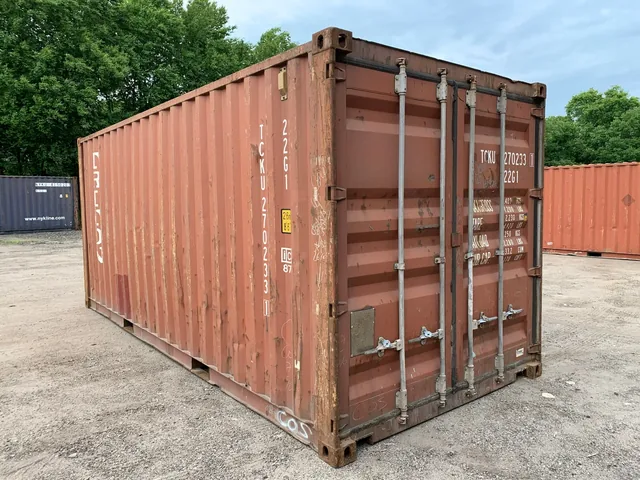
20ft x 8ft x 8.5ft Tall – Used Shipping / Storage Container-Wind and Watertight – BRICK
Talk to Steel Box Trailers
Ready when you are.
Tell us about your ground conditions and we will advise on the base.