Where the number comes from
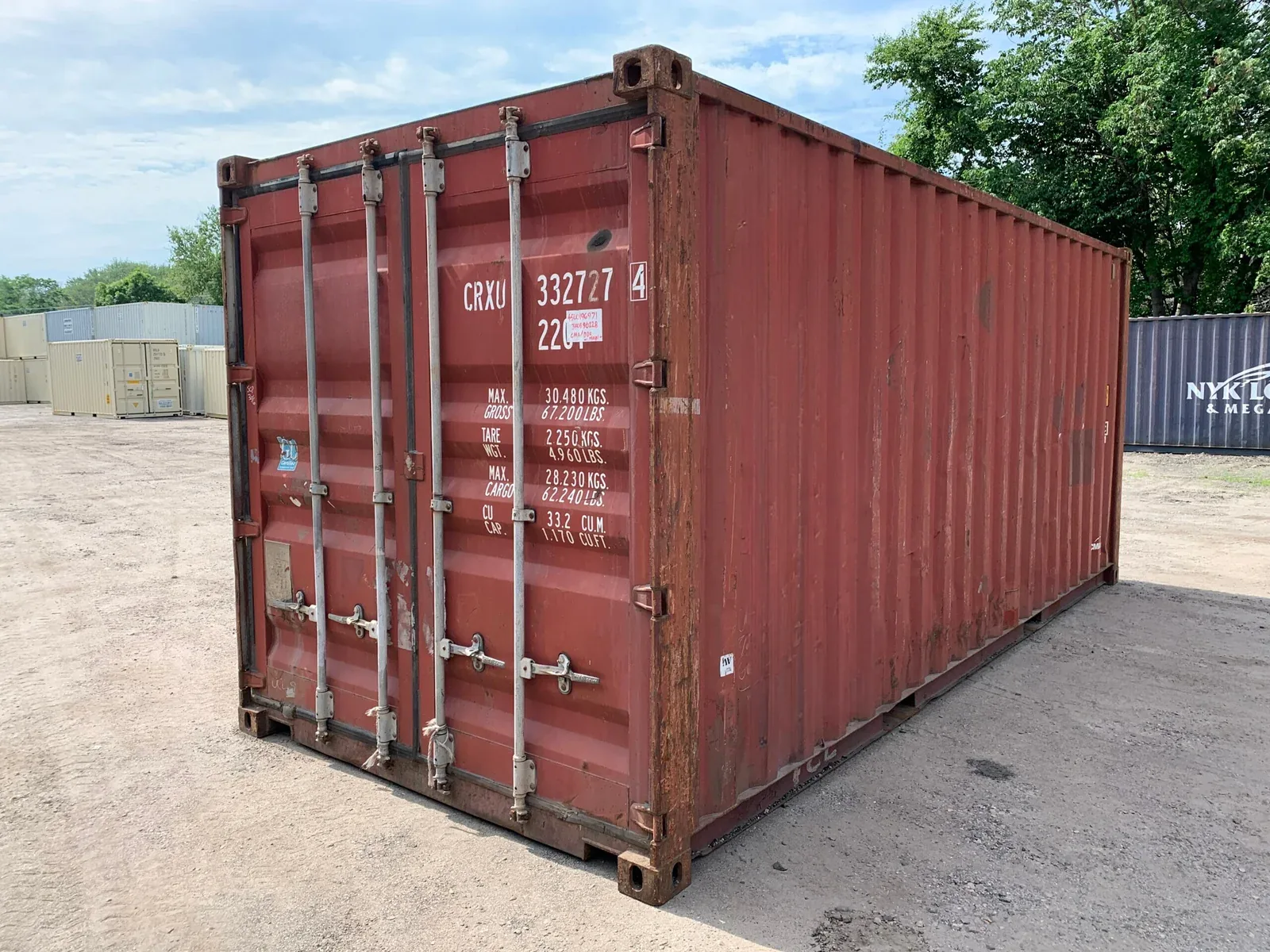
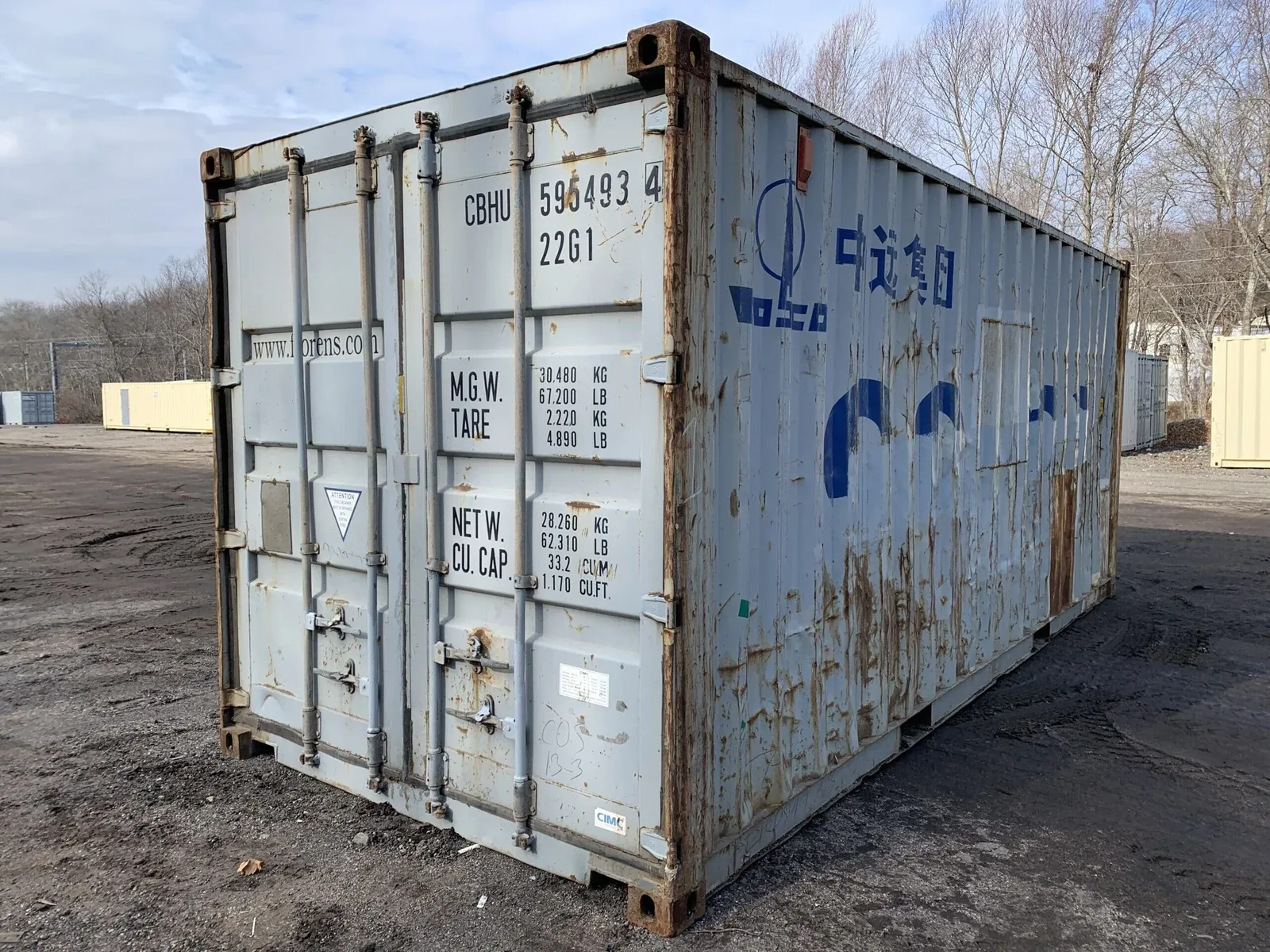
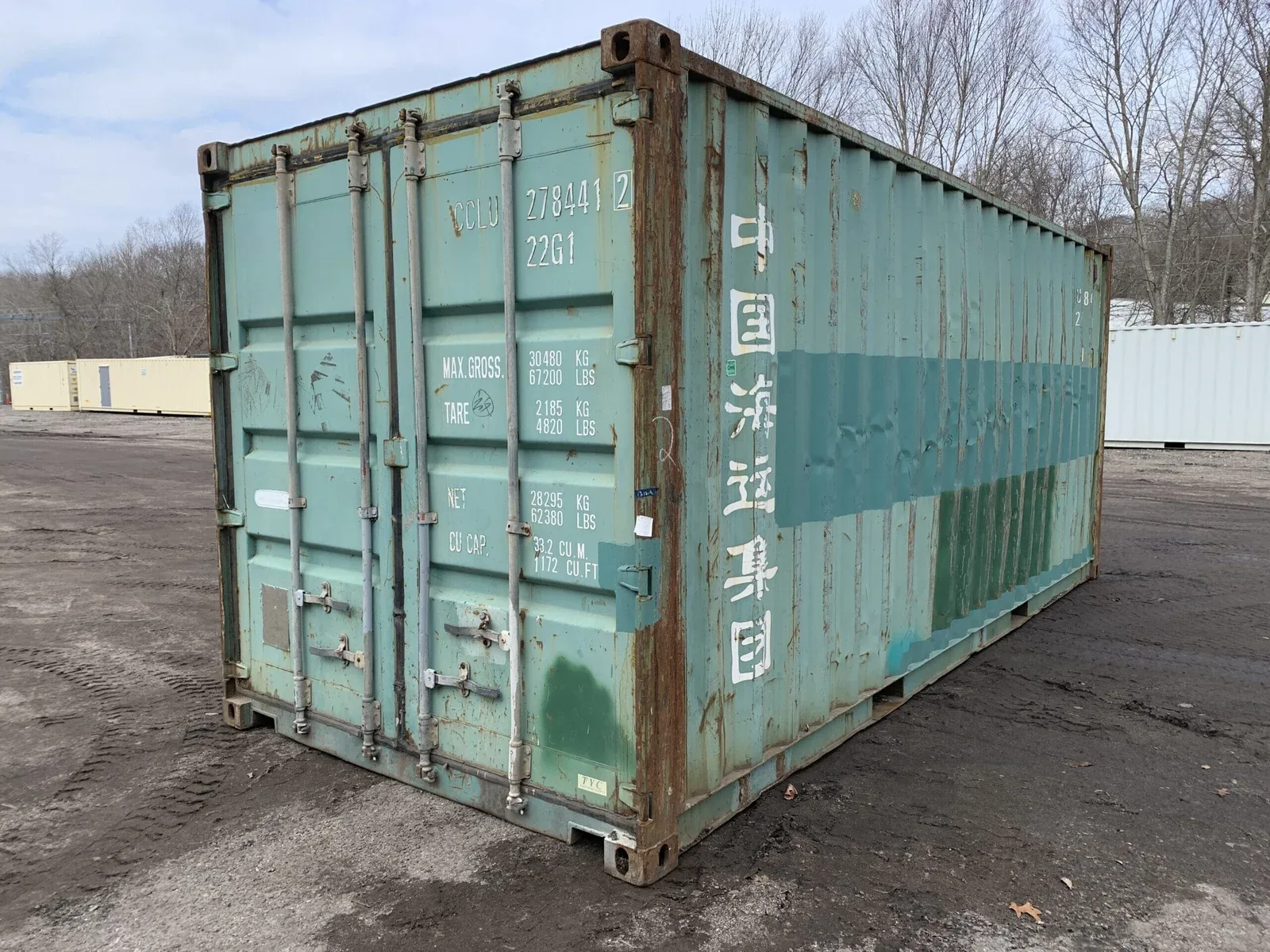
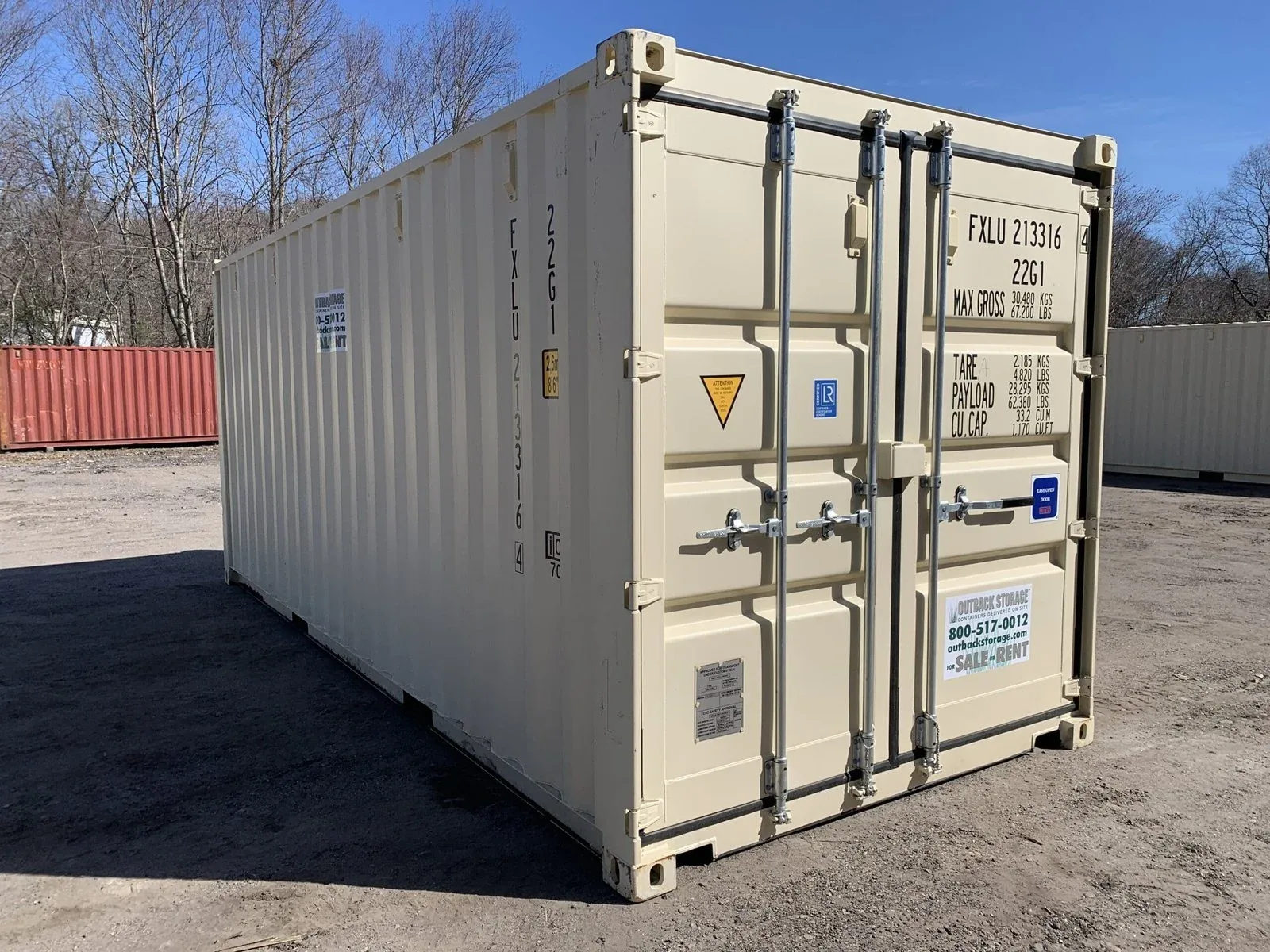
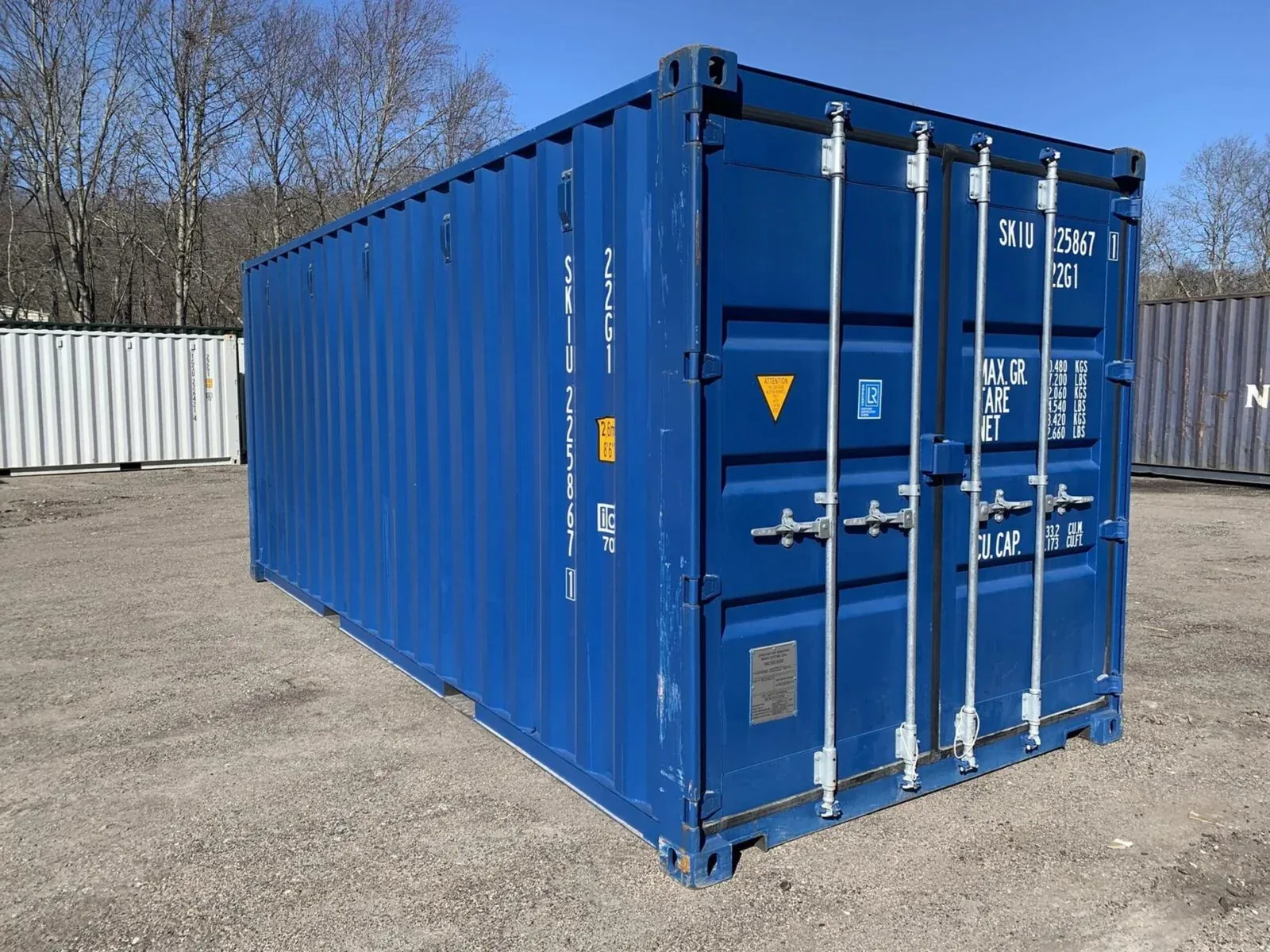
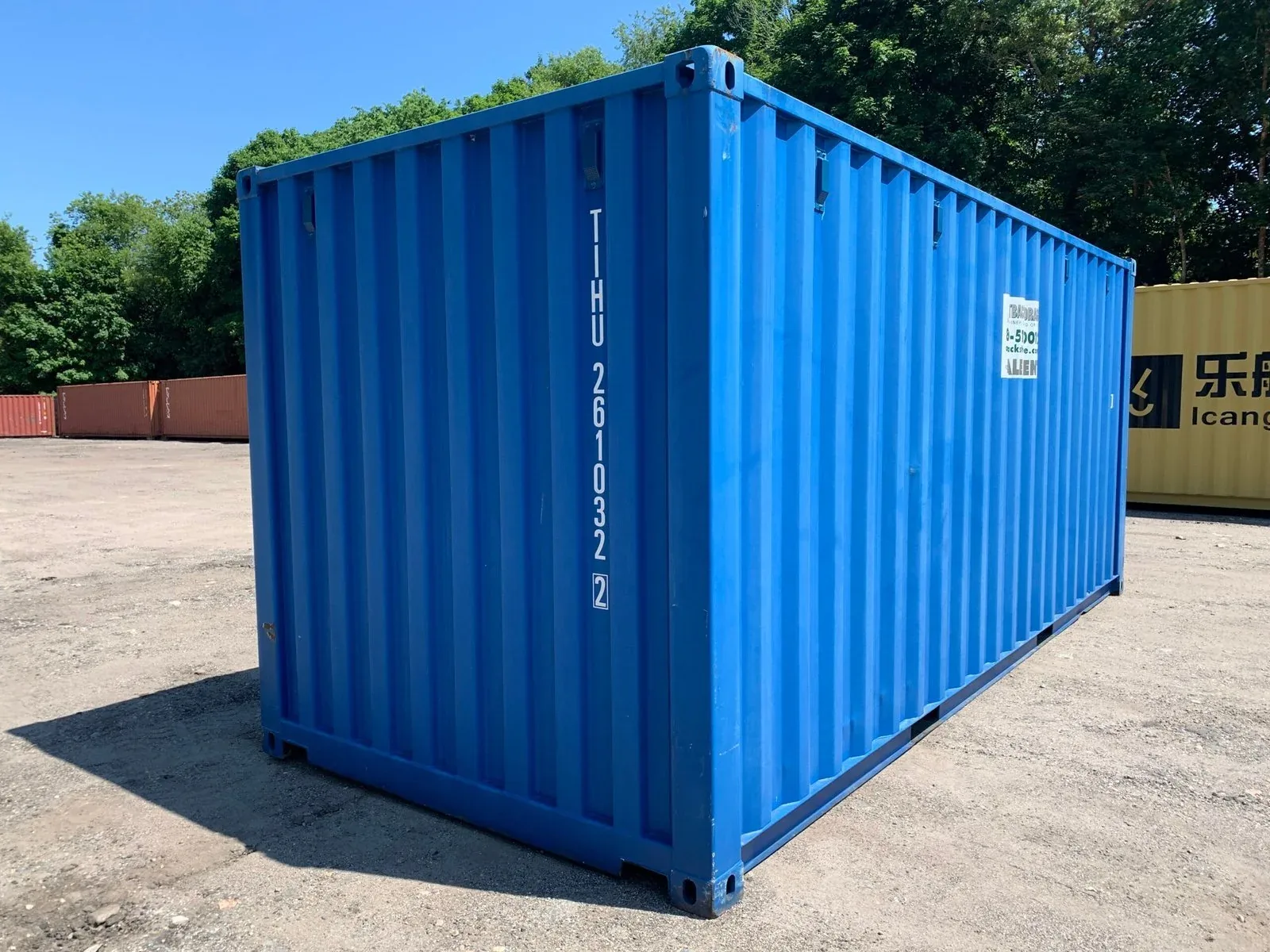
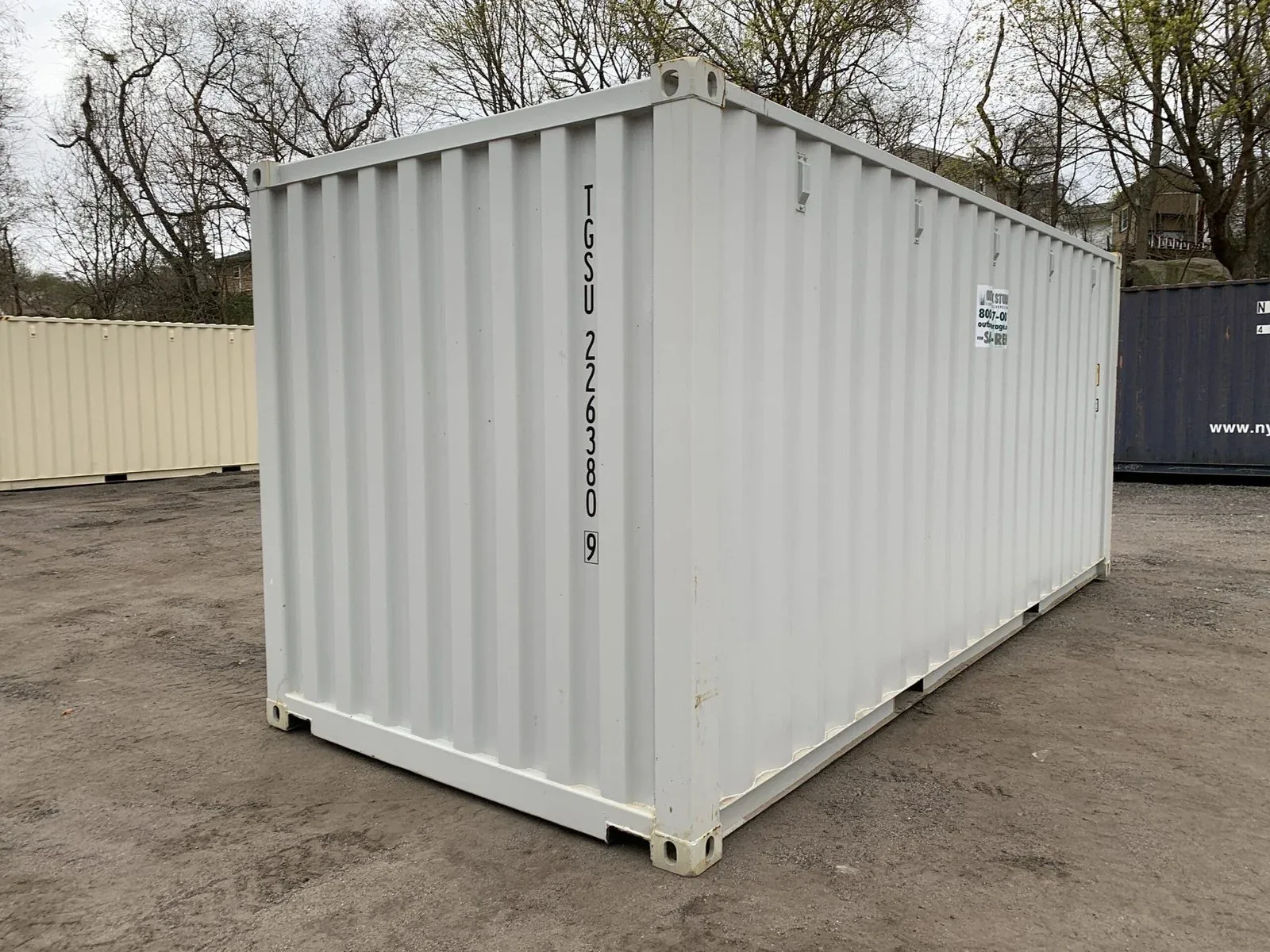
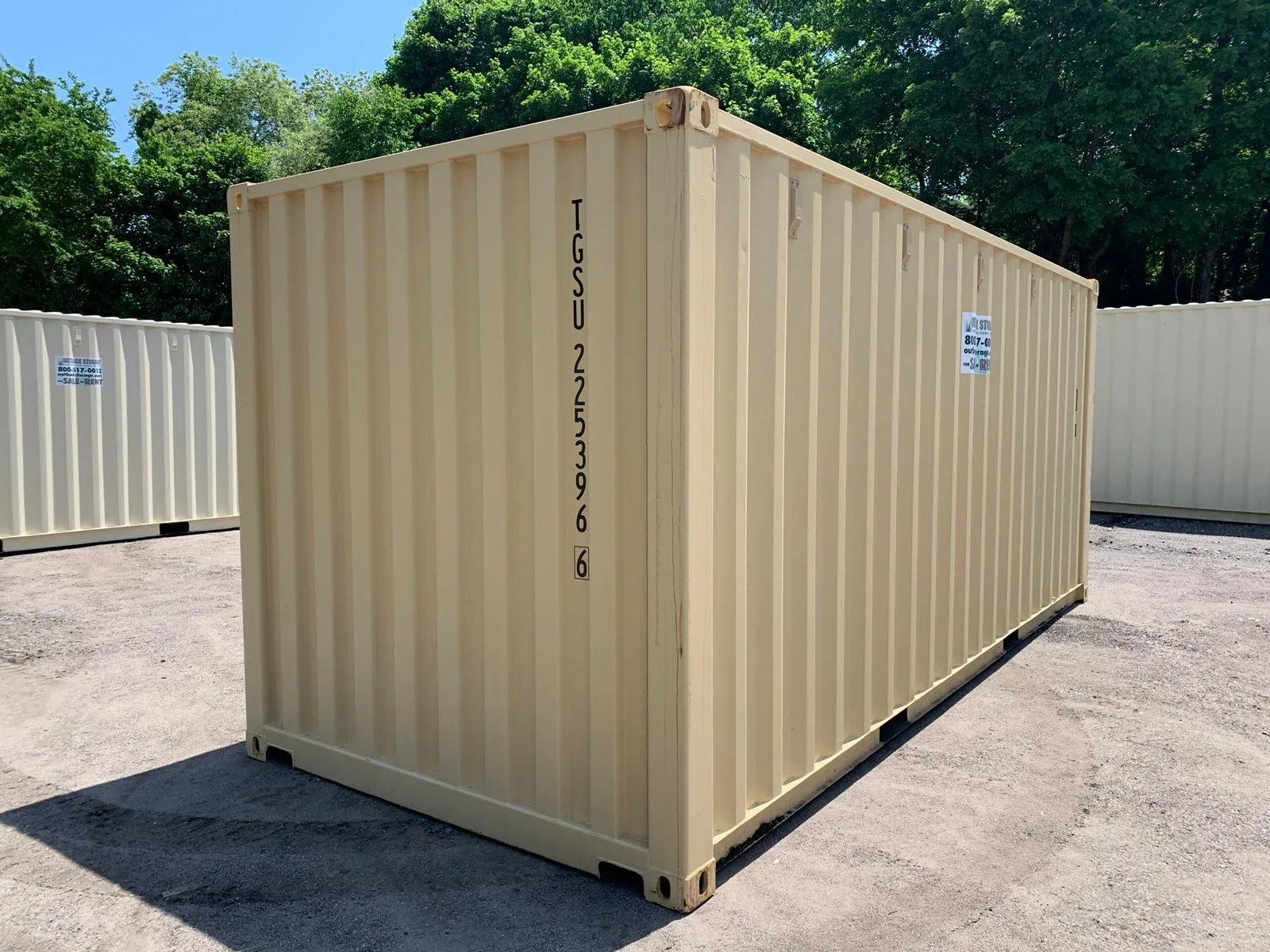
The count is pinned to one box: the standard 20 ft ISO container, about 6.06 m long, 2.44 m wide and 2.59 m high. Ports, shipping lines and freight forwarders tally cargo in multiples of that box because a ship's capacity is really a number of slots — stack positions of set length and width. A 40 ft container takes two of those slots end to end, so it counts as two.
The unit dates from the containerisation of general cargo in the 1960s, when everyone needed one figure to compare a ship, a wharf or a train against another. It stuck, and it is still how terminal throughput and vessel capacity are reported in Australia and everywhere else.
Why a 40 ft is two TEU
Because two 20-footers fit in the same run of deck space. The related term for a 40 ft box is an FEU, a forty-foot equivalent unit, and one FEU is defined as exactly two TEU. Longer boxes get rounded: a 45 ft container is 2.25 TEU on paper but is usually booked and reported as 2 TEU, because it still occupies two lots in most stowage plans.
| Container length | TEU | Notes |
|---|---|---|
| 8 ft | 0.4 | Rarely shipped as ocean freight; sold here for storage and site use |
| 10 ft | 0.5 | Half a slot |
| 20 ft | 1 | The unit everything is measured against |
| 30 ft | 1.5 | Common in Australia for storage, less common on ships |
| 40 ft | 2 | One FEU |
| 45 ft | 2 (2.25 nominal) | Usually rounded down to two slots |
What TEU does not tell you
Two things catch buyers out.
- Height is ignored. A 40 ft high cube carries about 76 m³ against roughly 67 m³ in a standard 40 ft, but both are 2 TEU. A 20 ft high cube is still 1 TEU. TEU counts length and slot, not cubic capacity — so if you are comparing how much cargo fits, use internal volume, not TEU.
- Weight is ignored. A loaded 20 ft container can run close to 30,480 kg gross. That is one TEU of slot space carrying a lot of mass, which is why shipping lines price on whichever is greater — the TEU count or the tonnes. Heavy cargo pays a weight rate; light, bulky cargo pays the slot rate.
That is the practical reason a 40 ft is often cheaper per cubic metre to ship than two 20-footers: same two slots, but less steel, less handling and one set of terminal charges instead of two.
Where you meet TEU when buying in Australia
If you are buying a container to sit on your block, TEU barely matters. You are buying the box itself, and the box is priced and delivered as a unit — a 20 ft container is a 20 ft container whether it ships once or never again. TEU becomes real money in three places:
- Export freight. Shipping lines and forwarders quote ocean freight per TEU or per FEU, then add terminal handling, wharfage and documentation on top. A 40 ft export booking is two TEU of slot on the vessel, and the quote will say so.
- Import landed cost. The same arithmetic works in reverse when you are working out what a box costs to get here from Asia, before it becomes stock in the yard.
- Port and shipping news. When a report says a terminal moved a million TEU, it means box throughput in twenty-foot units — useful context, not a price.
For an export box you also need the container to be fit for the journey, not just cheap: cargo-worthy condition, a current CSC plate and correct sealing. Our containers for export are listed for that job, and the container buying guide covers grades and sizing in more depth.
Choosing a box by the numbers that matter to you
For storage on site, the useful figures are internal length, internal height and payload — not TEU. A 20 ft standard gives you about 33 m³, a 40 ft about 67 m³, and a high cube adds roughly 10 per cent of height in either length. Work backwards from what you are storing: pallets, a car, machinery, or a fit-out.
New, one-trip and used boxes all count the same in TEU if they are the same length; the grade affects condition and price, not capacity. Our guide to container grades explains the difference, and you can compare real units with real photos in 20 ft containers, 40 ft containers and 45 ft containers. Every price is GST-inclusive in AUD and delivery is free to any address in Australia, metro or remote — the freight is already in the listed price.
Unsure which length suits the job? Ring the yard on +61 480 837 857 or send a quote request through contact, and we will talk you into the right unit rather than the biggest one.