Free delivery, from Corio to Lorne
Geelong, the Bellarine Peninsula and the Surf Coast all sit inside the free delivery area. A 40 ft container dropped at an industrial yard in Corio, a 20 ft behind a shed at Drysdale, or a site cabin at Torquay or Anglesea all arrive at the price shown on the listing. There is no freight line on the invoice and no regional surcharge, and collection from the Melbourne yard is free as well if you would rather put it on your own truck or trailer.
Nothing is charged on the website. Checkout or a quote request returns an emailed invoice, you pay by EFT, PayID or an emailed card link, and the delivery or collection is booked once the payment clears. Every listing carries real photos of the actual unit and a GST-inclusive price in AUD.
One point worth knowing before you compare prices: compare the delivered price, not the yard price. The freight has to be paid either way — ours is already in the number, so the listing is the whole cost. You can check the shop listings without asking anyone.
The run down the Princes Freeway
The yard is in Melbourne and Geelong is about 74 km away — over the West Gate Bridge and down the Princes Freeway (M1), roughly an hour of driving. For drops on the western side of Geelong or further south, the Geelong Ring Road runs the truck from Corio around to Waurn Ponds, which keeps a 12 m trailer out of central Geelong traffic and off the suburban streets.
The Surf Coast is the same trip plus the last leg: Torquay is 21 km south of Geelong, Anglesea another 18 km past that, and Lorne about 45 km on from Torquay along the Great Ocean Road. That last stretch is slow and winding, so a coastal drop is planned as a longer day, not an afterthought at the end of a Geelong run.
Published transit after dispatch is 4–10 business days for regional Victoria, and dispatch itself is 2–5 business days after payment clears. Geelong is the shortest regional run on the calendar, but it is still booked as a regional job, so work off the published window rather than assuming a next-day drop. If you are lining up a crane, an electrician or a concrete pour at your end, book them after the container lands, not before. The full detail is on the delivery page.
What Geelong buyers use them for
Three kinds of buyer keep the phone busy from this part of Victoria.
- Bellarine and Surf Coast farms and lifestyle blocks. Hay, feed, tractors and implements, horse gear, firewood and fencing gear all want to be under cover and behind a lockable door. A 40 ft is the usual answer where machinery and a season of feed have to live together; a 20 ft suits a smaller block where the container doubles as the workshop.
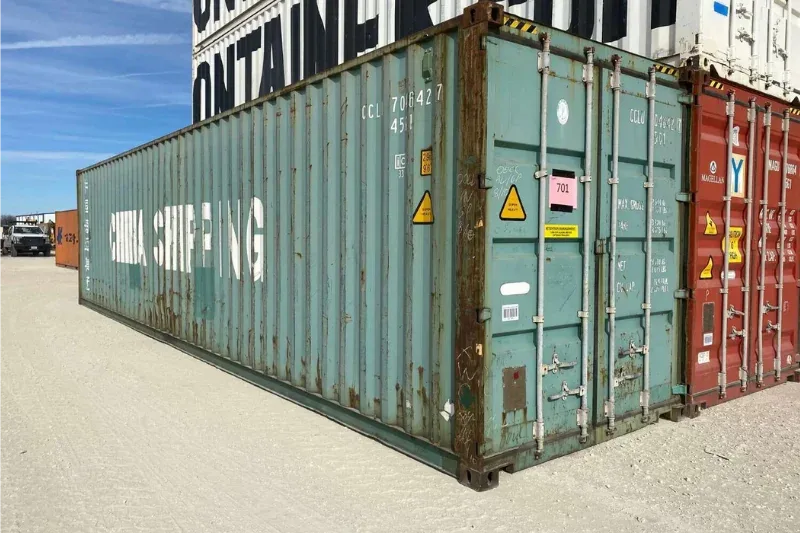
- Industrial and trade yards around Corio, North Shore and Breakwater. Spares, stock, and overflow that does not fit in the shed. This is where a used wind-and-watertight 40 ft earns its money — it is a lockable, watertight box at a fraction of shed construction, and the condition is stated on the listing rather than implied.
- Builders and owner-builders across the growth suburbs. Site offices, crib rooms, toilets and drying rooms, usually hired by the job and then bought outright once the buyer works out how much a year of hire costs.
Trailers go out this way too, mostly to tradies and to people hauling cars, bikes and machinery to the coast. They are Australian-built with the GVM stated on every listing, and state registration is handled the same way it is anywhere else in Victoria — we walk buyers through the paperwork.
Site access: firm, level ground matters more here than in the city
Delivery is done by tilt-tray or side-loader for containers, and the truck decides what your site needs to look like. A tilt-tray needs roughly twice the container length in straight, clear space to slide the box off and pull away — about 12 m for a 20 ft, around 24 m for a 40 ft — plus room to swing. A side-loader needs a clear strip alongside the drop point instead. Ground wants to be firm and level either way.
On the coast that last requirement is the one that catches people out. Blocks behind the dunes at Anglesea, Aireys Inlet and Fairhaven often sit on sandy, poorly compacted ground with a single access track in, and the driveways off the Great Ocean Road at Lorne climb steeply off the road. A loaded tilt-tray is heavy, and soft sand or a steep gravel pinch will stop it. Tell us the address and what the access looks like when you ask for a quote and we will say plainly whether it will work, or whether the container should go somewhere flatter and be moved on later.
Wind is the other local factor. Exposed coastal blocks and the open country behind the Bellarine towns take a lot more weather than a suburban backyard, and a container is a big flat sail. It needs to sit level on a proper base and be tied down, not parked on bare sand and hoped at. This piece covers the options — concrete pads, bearers, screw piles — and what each one suits: what to put a shipping container on.
Salt air is worth a thought too. A used container at Torquay or Portarlington will keep weathering, so check the paint and the door seals on arrival, keep the roof clear, and expect to touch up any scratches rather than let them run. Wind-and-watertight is the grade most coastal buyers want; cargo-worthy is specified for export, not for a shed.
Which unit suits which job
Lengths are sold in feet and measured in metres on site: a 20 ft is 6.06 m long, a 40 ft is 12.19 m, both 2.44 m wide. A standard container is 2.59 m high; a high cube adds about 30 cm of internal height, which matters if you are racking shelves or storing something tall.
- 20 ft — the default for a backyard, a small block or a locked store on a trade site. Fits where a 40 ft will not. Browse 20 ft containers.
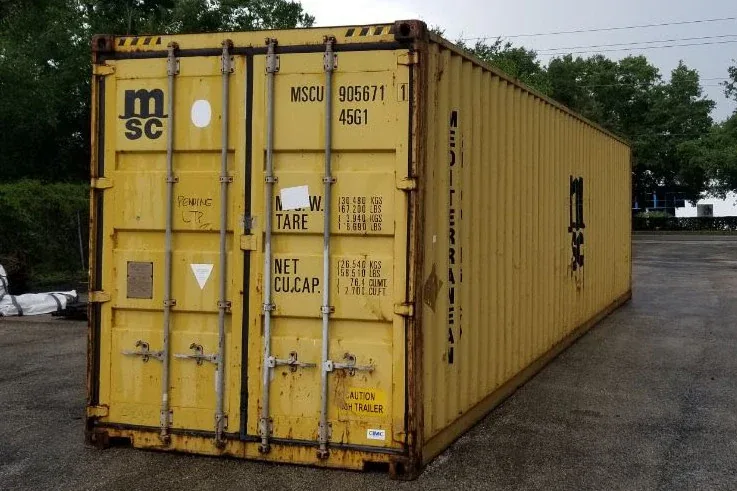
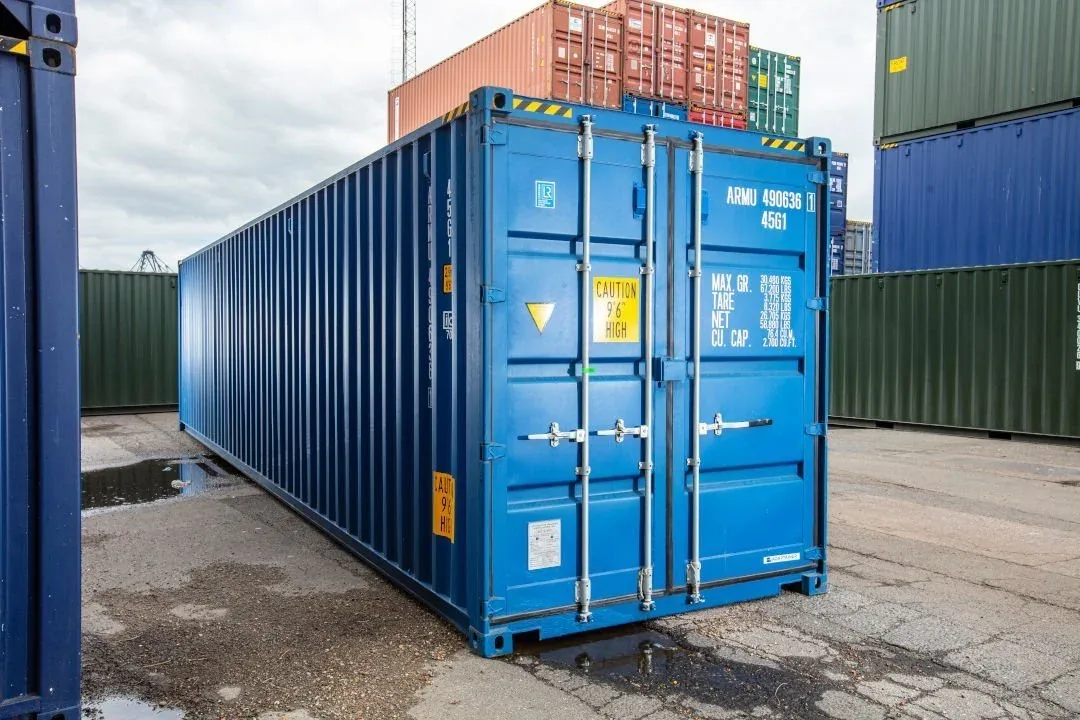
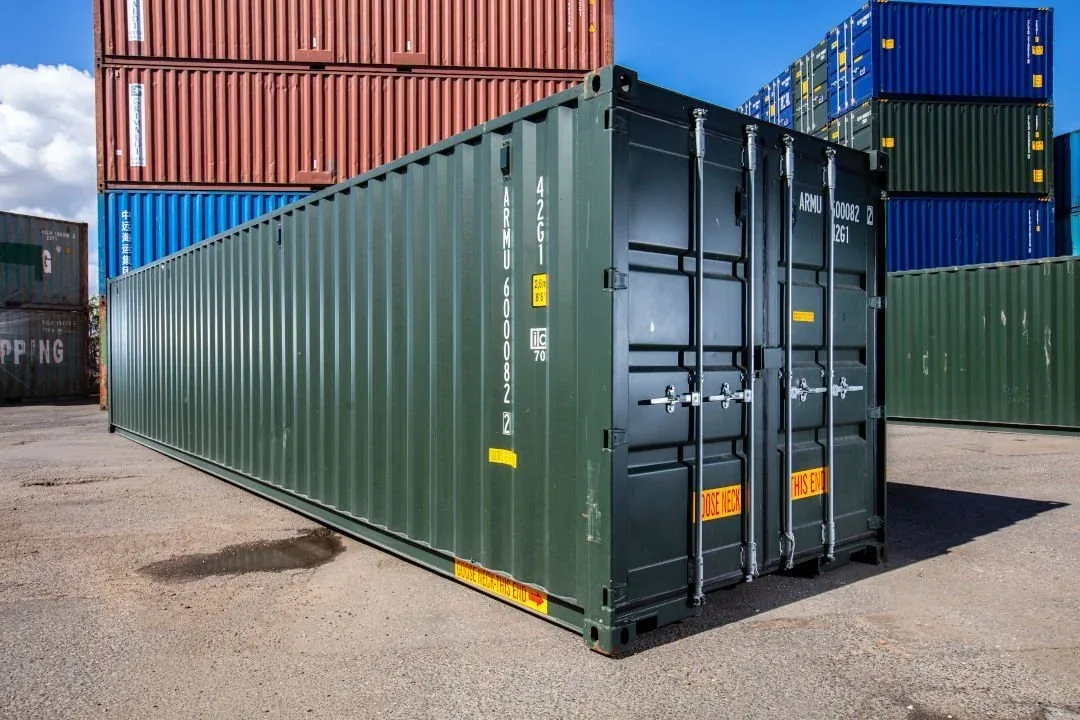
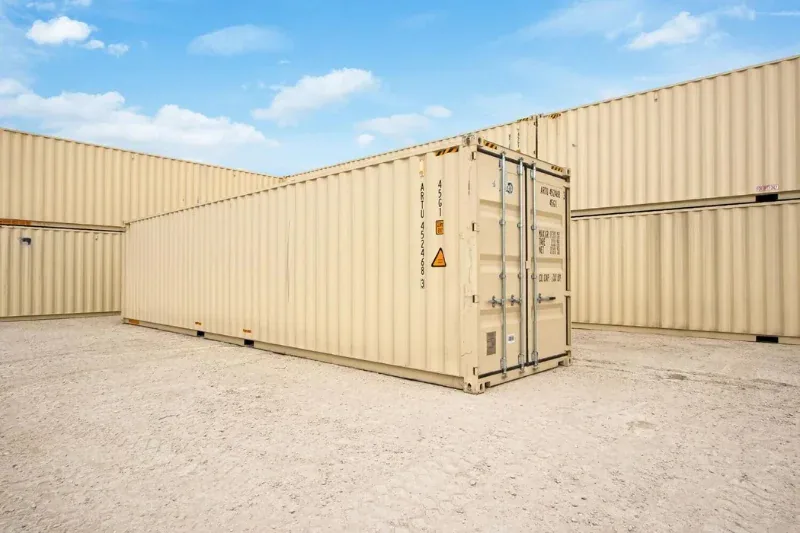
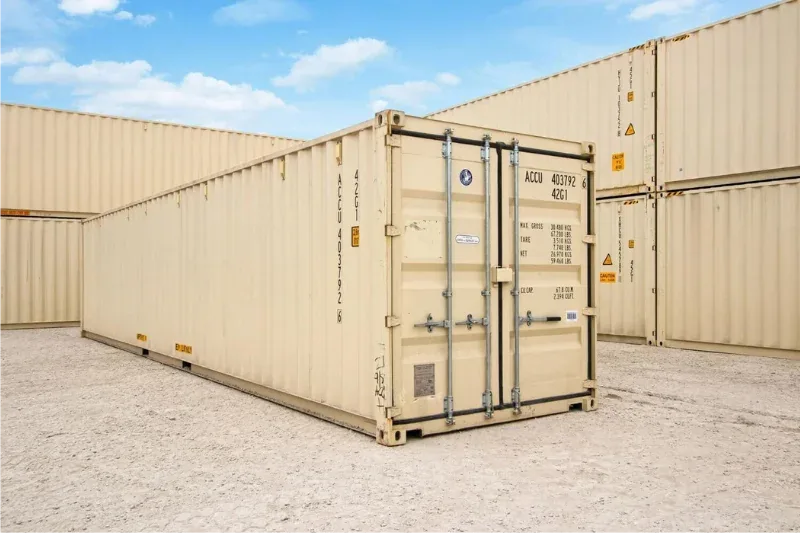
- 40 ft — the best value per cubic metre, and the right size for hay, machinery, pallets and workshop space. Browse 40 ft containers.
- Used — wind-and-watertight used units are the sensible buy for storage on a farm or a yard. Browse used containers.
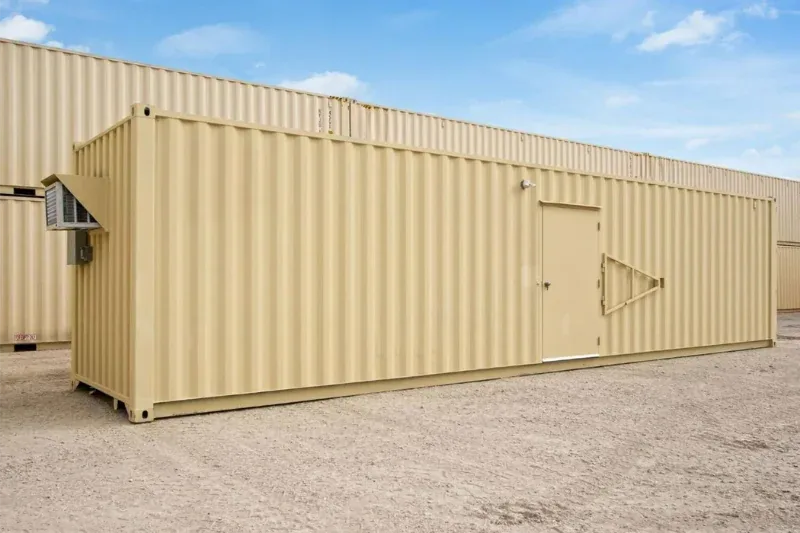
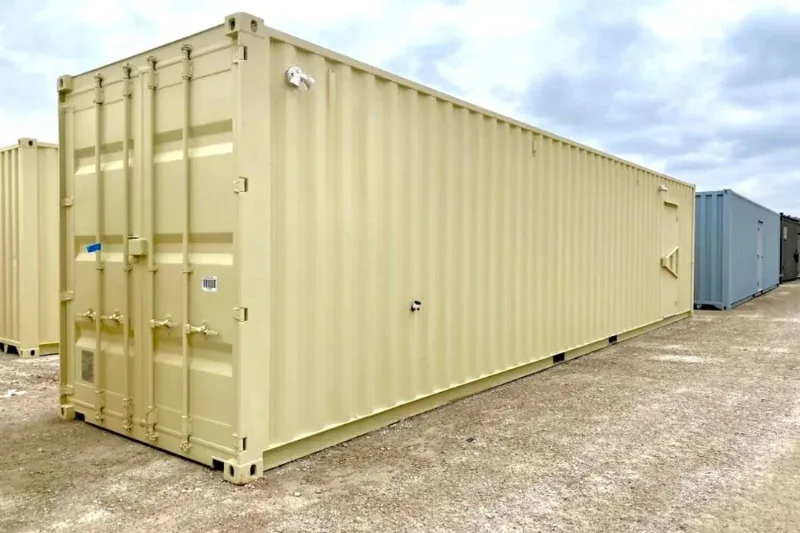
- Cabins and modified units — site offices, crib rooms, toilets and drying rooms, with the fit-out already in them. Browse cabins.
If you are still weighing up sizes and grades, the container buying guide goes through it properly, and the Melbourne and regional Victoria page covers the yard end of the trip.
Before it lands
Two things to sort while the invoice is being paid. First, whether the container can stay where you want it: a container used as a shed or store on a rural or residential block can need a planning permit depending on the council and how long it is there — City of Greater Geelong and Surf Coast Shire both have their own rules, so ring them rather than take a neighbour's word for it. This explains what is generally asked: council approval for a shipping container.
Second, the site itself: clear the drop zone, make sure the truck can get in and out, and have the base ready before the driver arrives. If something changes after you order — access, address, timing — ring the one mobile on contact and we will re-plan the run rather than send a truck that cannot get in.