Why a container earns its money on the Downs
The Darling Downs runs on grain and cattle, and both fill a shed faster than anyone plans for. Sorghum, wheat, barley and chickpeas come off between October and January, the header and the chaser bin want somewhere dry the rest of the year, and the fertiliser, seed and hay have to stay out of the weather and out of the reach of vermin.
A shipping container does that job better than a farm shed of the same footprint: it is sealed steel, it locks, it keeps feed and seed dry through a storm, and it can be shifted with the operation when a block changes hands. Contractors working out of Charlton, Wellcamp and the industrial estates around Toowoomba use them the same way — one lockable box for gear that would otherwise walk out of a ute.
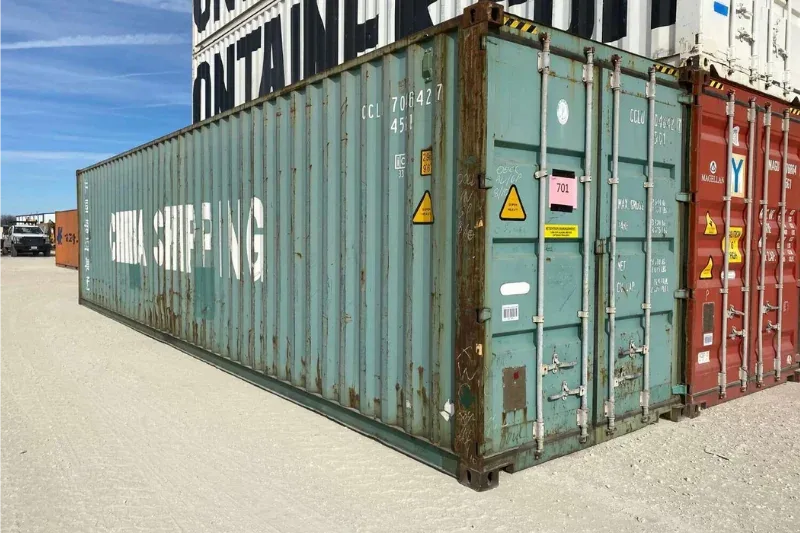
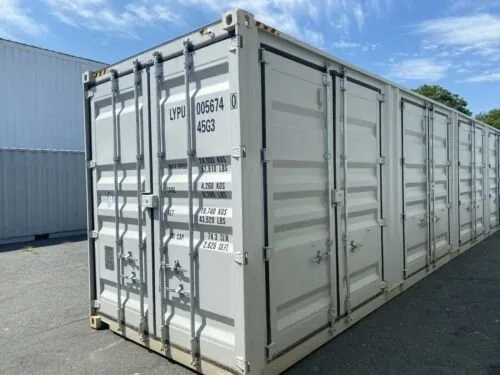
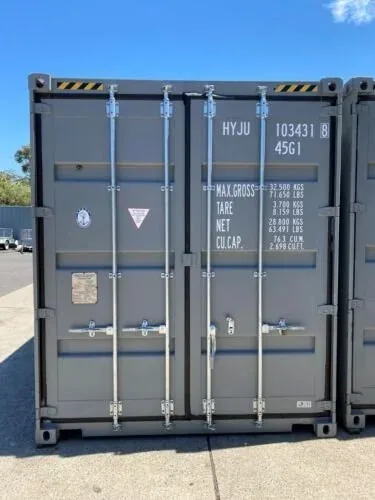
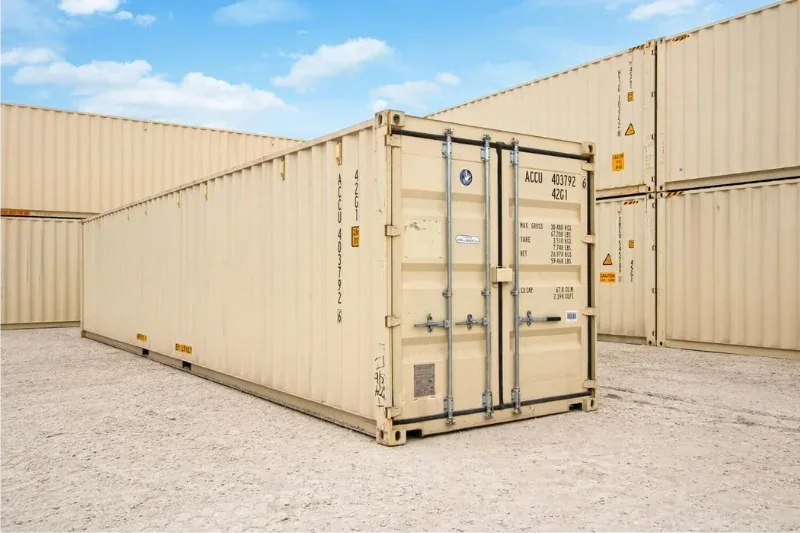
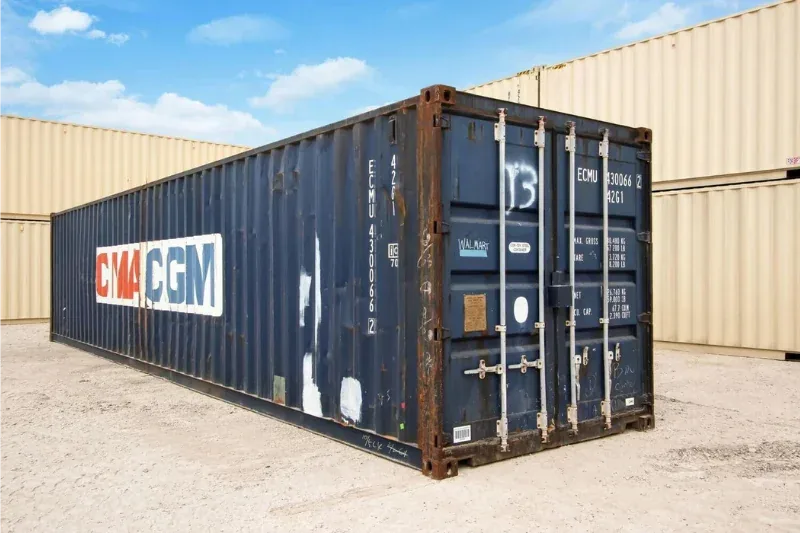
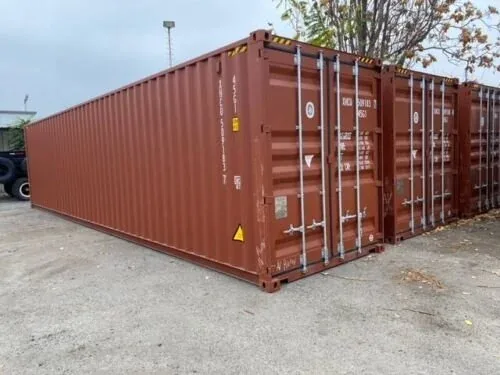
We sell 40 ft and 20 ft units in new one-trip, cargo-worthy and wind and watertight used grades, with the grade stated on every listing and real photos of the actual unit.
The run up to Toowoomba
From the Melbourne yard the inland freight route is roughly 1,550 to 1,600 km: up the Goulburn Valley Highway, across the Murray and onto the Newell Highway through Tocumwal, Forbes, Dubbo, Narrabri and Moree, over the border at Goondiwindi, then east on the Gore Highway through Millmerran and Pittsworth into Toowoomba. The Gore Highway is the corridor the Melbourne freight already uses, so a container heading for the Downs is on a road with regular heavy vehicle traffic rather than a back track.
From the Brisbane side it is the Warrego Highway up the range. Either way, loaded trucks use the Toowoomba Bypass: 41.3 km of dual carriageway running north and west of the city, opened in 2019 and designated the heavy vehicle route for trucks over 4.5 t. It joins the Gore Highway at Athol to the Warrego Highway at Helidon Spa, which keeps a loaded truck off the old range road — where grades reach 10.5% — and out of the CBD traffic. The bypass is a toll road; that cost sits in the freight we quote, not on your invoice.
Published transit for regional Queensland is 4–10 business days after dispatch, and dispatch is 2–5 business days after payment clears. Sites that need a crane or an escort sit at the longer end.
Black soil, and why the pad matters more than the container
The Downs is black soil country, and black soil is cracking clay. It is superb at growing sorghum and hopeless at carrying a truck after rain — the surface goes soft, then slick, and a loaded side-loader is exactly the wrong thing to have sitting on it. A bogged truck on a farm track is a failed delivery, and no grade of container fixes that.
So the first question we ask a Downs buyer is what the container is going to sit on. A gravel or crushed rock pad, an existing hardstand, or a concrete slab all work. Bare paddock does not, unless it is dry, level and drained. The unit also wants timber or steel bearers underneath so the floor is off the ground and air moves under it — that is the difference between a container that lasts twenty years out here and one that rusts out from the bottom up. There is more on bases and bearers in our guide to what to put a shipping container on.
If the access is unsealed or the ground is doubtful, tell us when you book. We confirm the access and the ground before the truck is loaded rather than send it out to find out.
Space the truck needs
A 40 ft container arrives on a tilt-tray or a side-loader. A tilt-tray needs roughly twice the container length in straight clear run to tip and drive out from under it — call it 24 m for a 40 ft — plus room to swing in at the gate. A side-loader needs less run but a clear strip alongside the drop point wide enough to set the box down.
Check the gate width, the trees and the powerlines on the way in before you order. A 40 ft container is 2.44 m wide and 12.19 m long, and a truck and dog is longer again. Our article on tilt-tray or side-loader delivery sets out which truck suits which site.
What suits a Downs property
- 40 ft for the volume jobs — machinery and spares, bulk feed and hay, seed and fertiliser, or a workshop that has to stay dry. Most cubic metres for the money, and the size most grain and cattle places end up wanting. See 40 ft shipping containers.
- 20 ft where the yard is tight or the pad is narrow, or where the container is going next to an existing shed. Easier to place, still 33 cubic metres. See 20 ft shipping containers.
- 10 ft and 8 x 10 ft for tools, fencing gear, chemical and the small stuff that walks. See 10 ft containers.
- Used, wind and watertight is the honest choice for feed, machinery and general farm storage — the weathertightness matters, the paint does not. See used shipping containers.
- Cabins and modified units for a site office, crib room or donga when contractors are on the place for a season. See site cabins.
Free delivery, and how it works
Delivery is free to any Toowoomba address and anywhere on the Downs — the CBD and the range suburbs, Highfields and the northern growth corridor, Charlton and Wellcamp, Pittsworth, Millmerran, Oakey, Jondaryan, Dalby, Warwick, Stanthorpe, Goondiwindi, and out to the properties in between. The freight is built into the listed price, so the number you see on the listing is the number on the invoice. Collection from the Melbourne yard is free as well, but from the Downs that is a 1,550 km tow, so delivery is the sensible call for most buyers.
Nothing is charged on this website. You check out or send a quote request and we email an invoice; you pay by EFT, PayID or an emailed card payment link, and the run is booked once the payment clears. The details are on payment methods and delivery. Every unit carries a 30-day change-of-mind return, and any damage or fault needs to be reported within 48 hours of delivery.