What Sunshine Coast buyers put in a container
Most of the boxes that leave our yard for the coast are working storage, not display pieces. The common jobs:
- Acreage storage around Doonan, Verrierdale, Cooroy, Yandina and the Glass House Mountains foothills, where a 20 ft holds the ride-on, the boat trailer, fishing gear and tools that would otherwise sit under a tarp.
- Builder and trade compounds through the Caloundra South and Maroochydore growth corridors, where a lockable box on site beats a ute full of gear going home every night.
- Holiday property overflow at Noosa, Coolum and Peregian, where a small unit takes the boards, bikes and mower without giving up the garage.
- Workshops and home businesses on larger blocks, where a 40 ft with a roller door and shelving becomes the shed that council rates did not allow.
If the site is a builder's compound or a farm office rather than storage, a site cabin is usually the better buy than a container fit-out.
How the container gets here
The yard is in Melbourne, so a Sunshine Coast delivery is an interstate run, not a local drop. Freight comes up the Hume Freeway and the Pacific Motorway to Brisbane, then north on the Bruce Highway past Beerwah, Landsborough and the Nambour exits. Addresses on the coastal strip are usually reached off the Sunshine Motorway at the Mooloolaba interchange, which serves Mountain Creek, Sippy Downs, Coolum and on to Noosa. It is roughly 1,900 km of highway before the last few kilometres, which are the ones that decide how the drop is done.
Published transit for regional Queensland is 4-10 business days after dispatch, and units are dispatched 2-5 business days after payment clears. Add a little where a crane or traffic control has to be booked. Unsealed hinterland access is confirmed case by case once we know the driveway.
Free delivery, including the hinterland
Delivery is free to any address in Australia, Sunshine Coast included, and the freight is already inside the listed price. Nothing is added to the invoice at the end. Collection from the Melbourne yard is free as well if you would rather arrange your own freight. Payment is by EFT, PayID or an emailed card link, and nothing is charged on the website: checkout or a quote request returns an emailed invoice. The delivery page sets out the truck types and transit windows.
Steep range driveways: Maleny, Montville, Mapleton
This is where a Sunshine Coast container job goes wrong if nobody asks. The Blackall Range roads climb hard: Landsborough-Maleny Road rises from about 37 m to roughly 446 m, with stretches pitched between 10% and 15% and short pinches steeper again. Obi Obi Road carries signs warning that it is unsuitable for some vehicles. Plenty of hinterland properties sit at the end of a narrow, steep, sometimes unsealed track, and a loaded tilt-tray is not the truck for that.
- Tilt-tray: needs roughly twice the container length in straight clear space to tip and drive out from under the box, so about 12 m of straight run for a 20 ft, plus room to turn around.
- Side-loader: works from the side, so it needs a clear strip beside the drop point rather than a long run, and it handles tighter yards and sloping ground better. On a range block it is often the only truck that will do it.
- Crane or Hiab: where the truck cannot leave the road at all, the box is lifted over the fence or up the drive from the street.
Send photos of the gate width, the slope and the turning area before booking and we will pick the truck rather than find out on the day. The truck guide explains the difference in more detail.
Ground that holds up in a wet summer
The coast gets proper subtropical downpours, and a container that sat level in July can be sitting in a puddle by February. A full 20 ft is around two tonnes empty and far more loaded, so it needs firm, level, drained ground, not garden soil. Bearers on concrete footings, a compacted gravel pad or a concrete slab all work. Sloping blocks want the pad cut level, not packed up on one side.
Those same storms are why a container left closed up will sweat. Warm humid air condenses on the steel ceiling overnight and drips on whatever is stored below. Vents and a raised floor help a lot for storage, and the condensation guide covers the fixes. Vents and fit-out parts are listed with the containers.
Which size suits a coast block
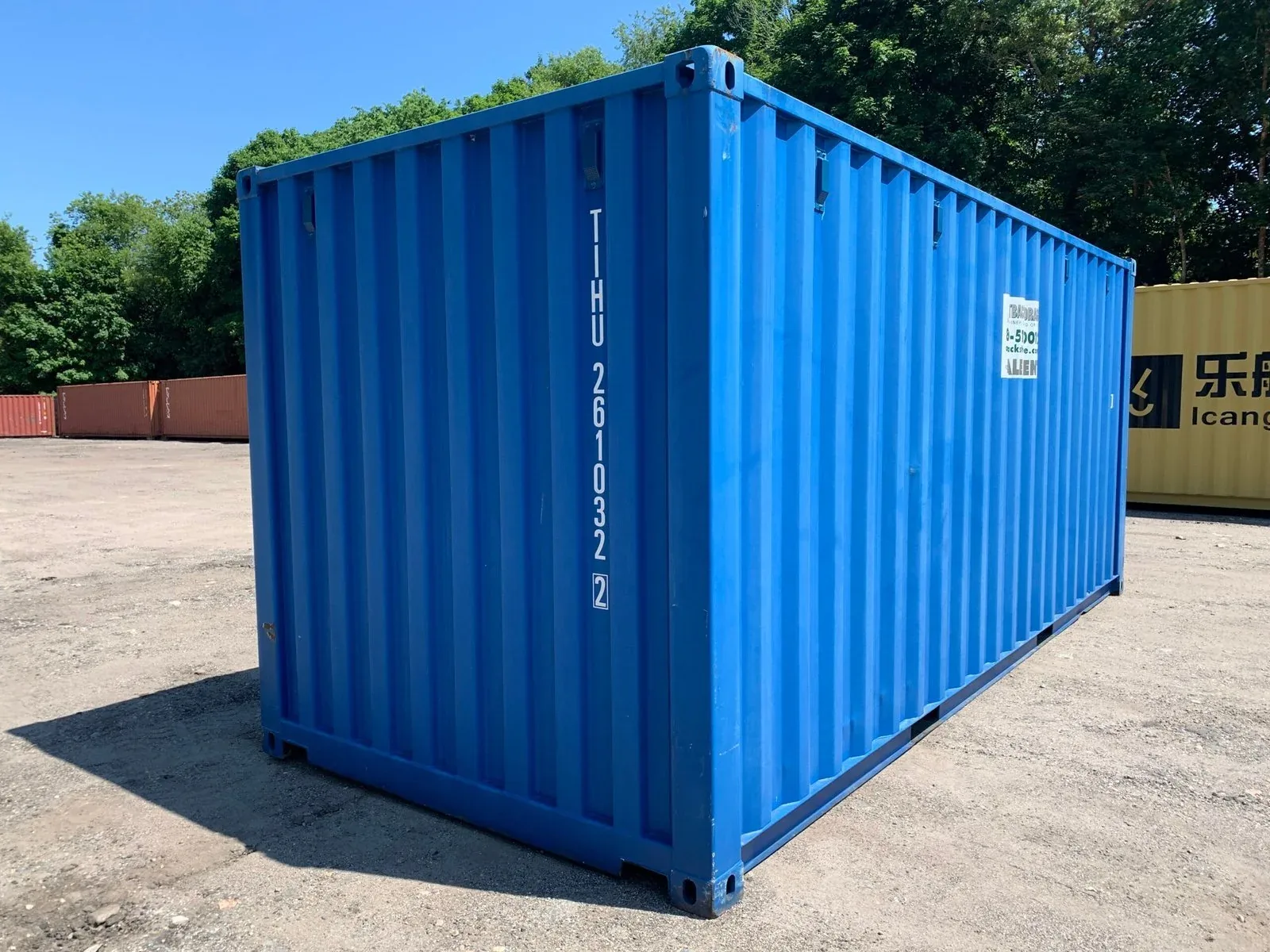
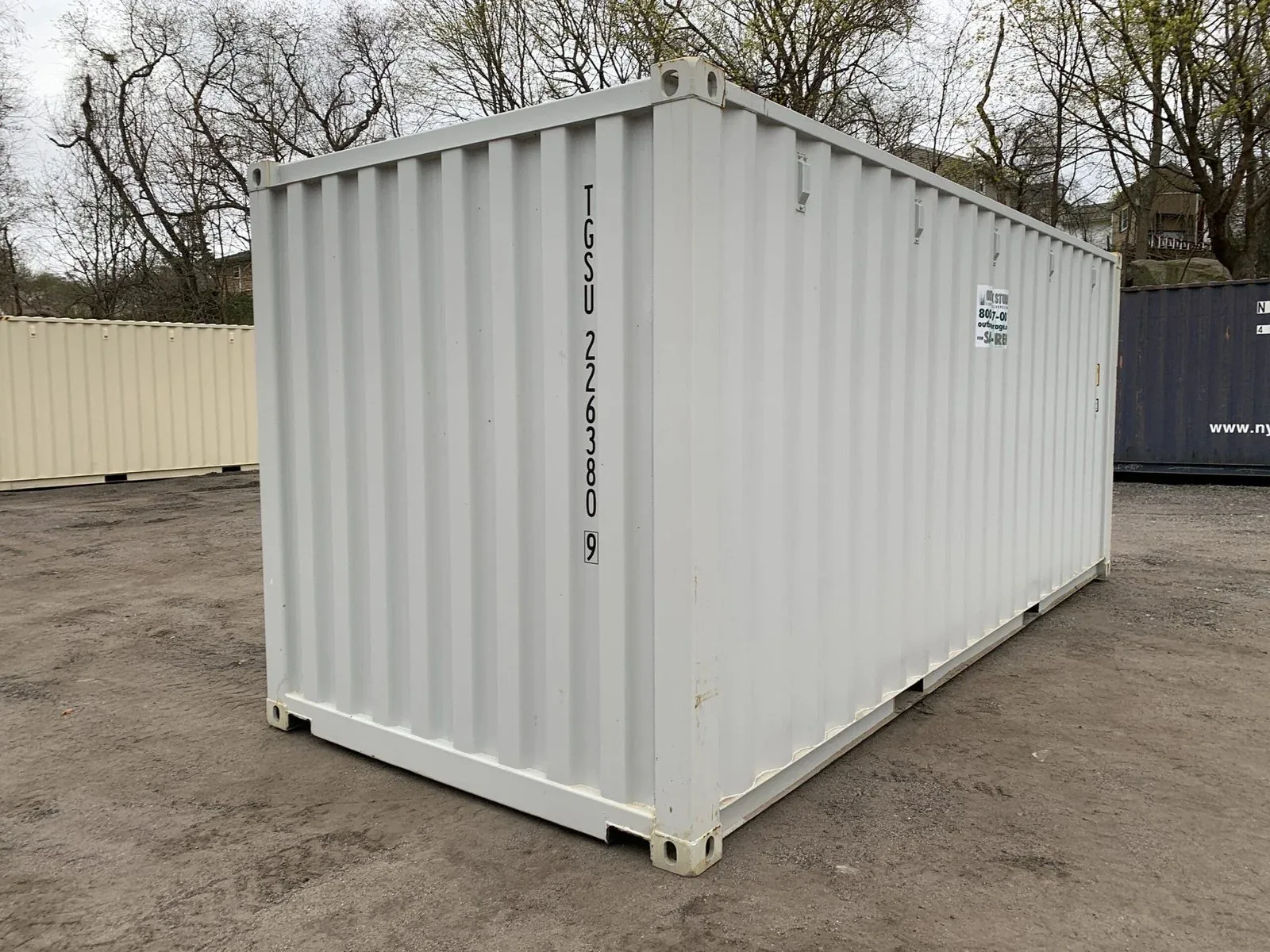
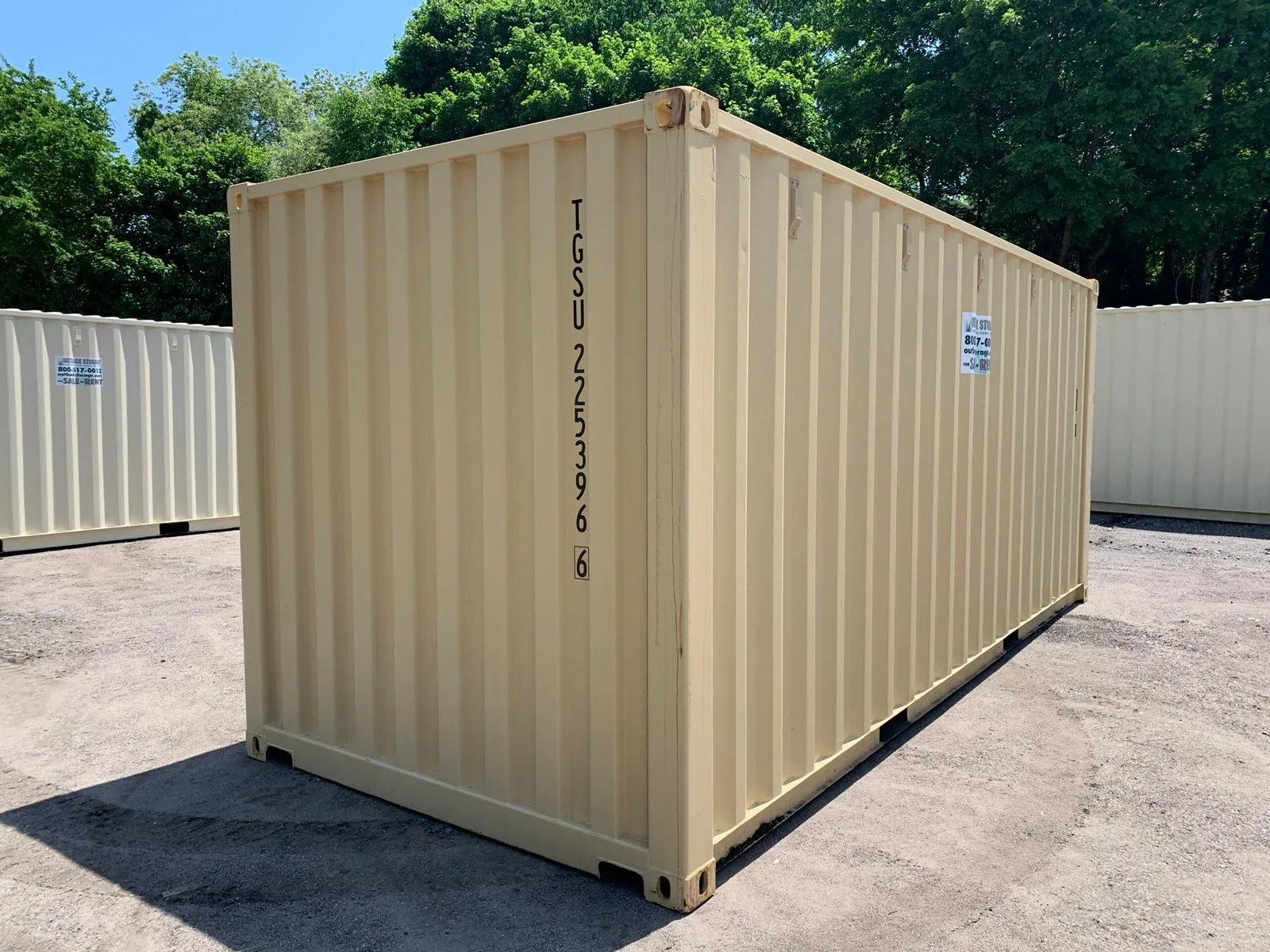
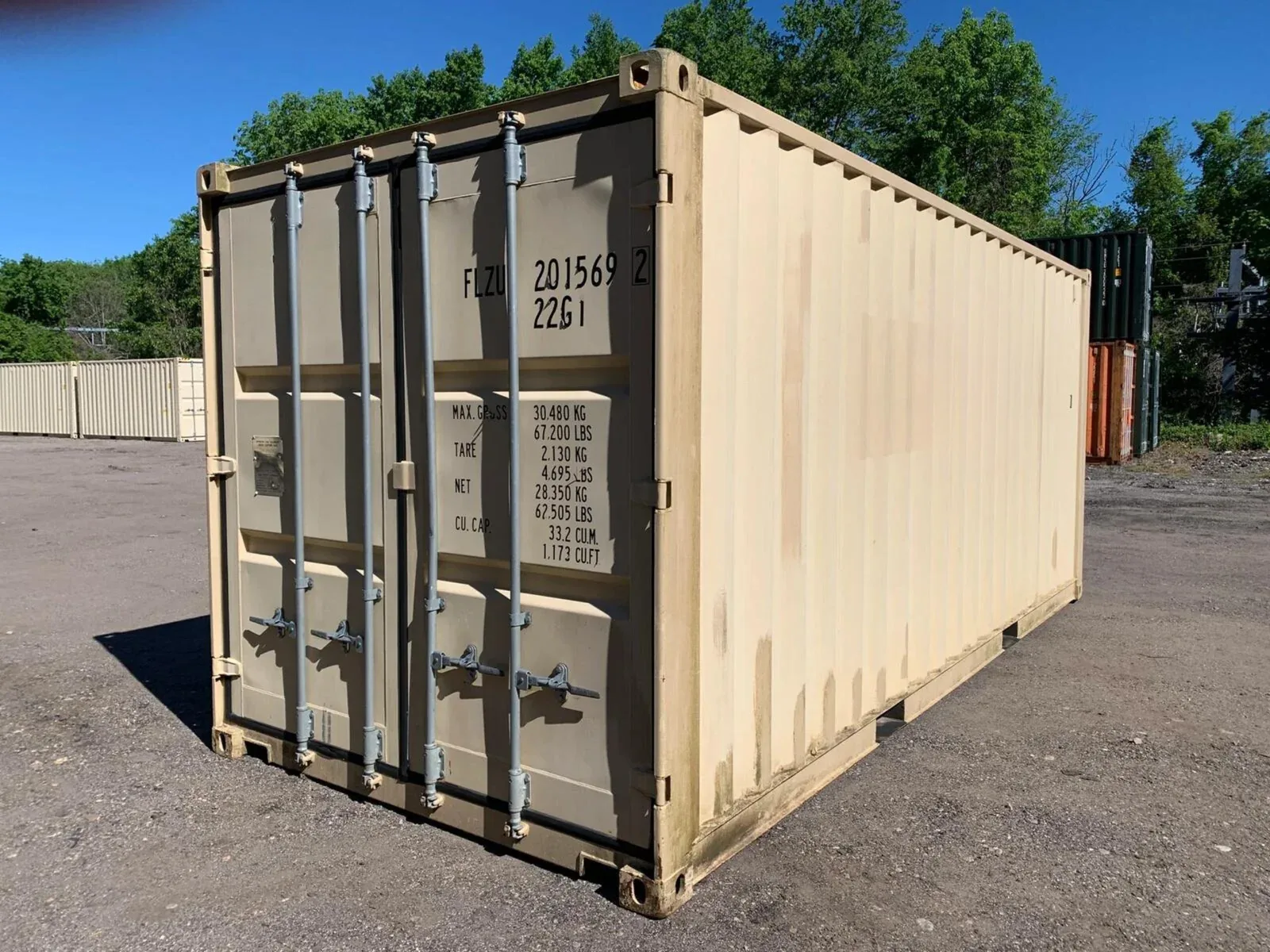
20 ft containers are the volume seller here: 6.06 m long and 2.44 m wide, they fit on a suburban driveway, hold a garage worth of gear and are the easiest to place on a tight hinterland pad. Go to a 40 ft when the boat, the mower and a workbench all have to live in the one box, and a high cube if you want headroom to stand up straight. Where access is genuinely tight, a 10 ft can be carried in and set down where nothing longer will go.
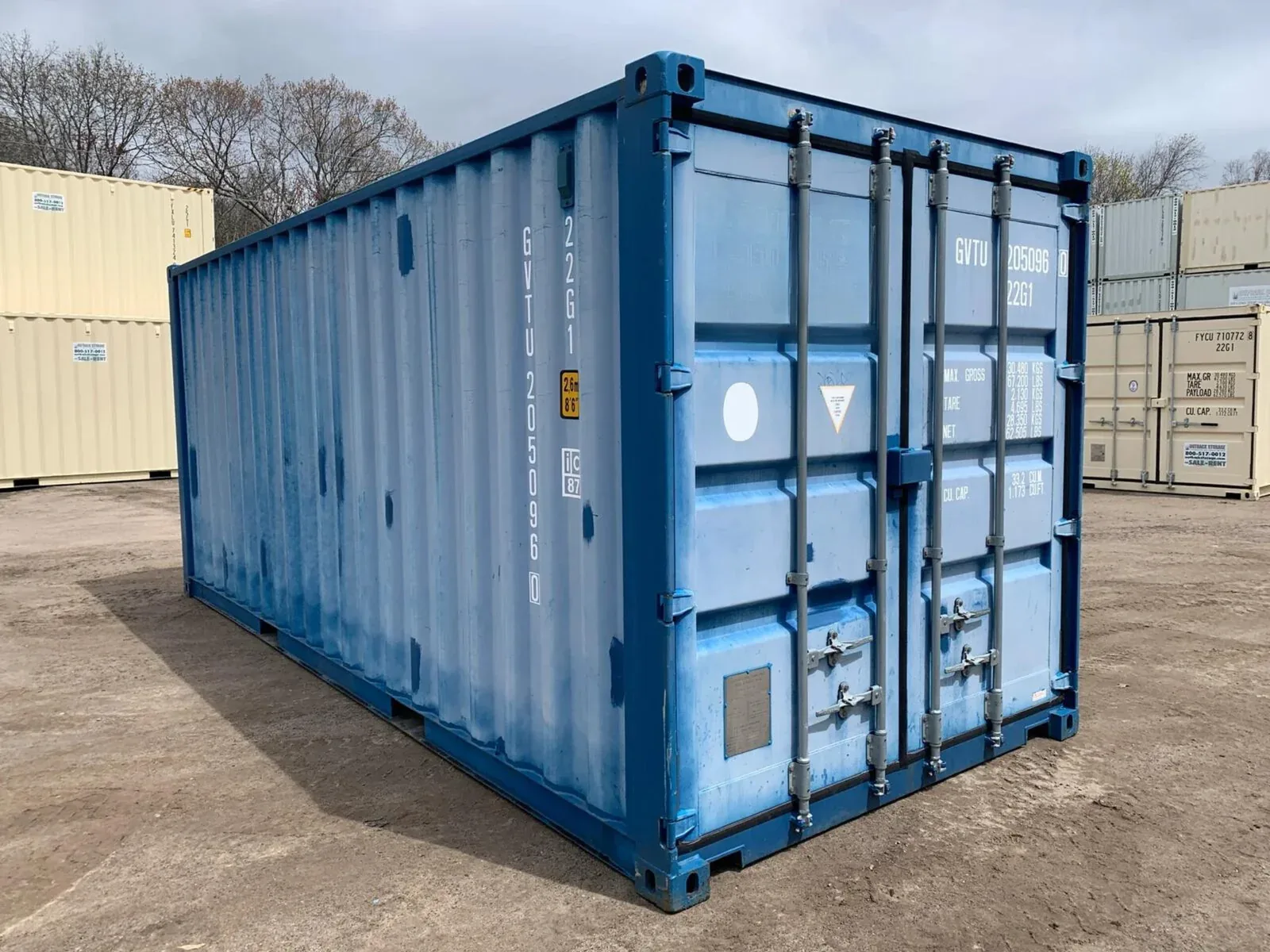
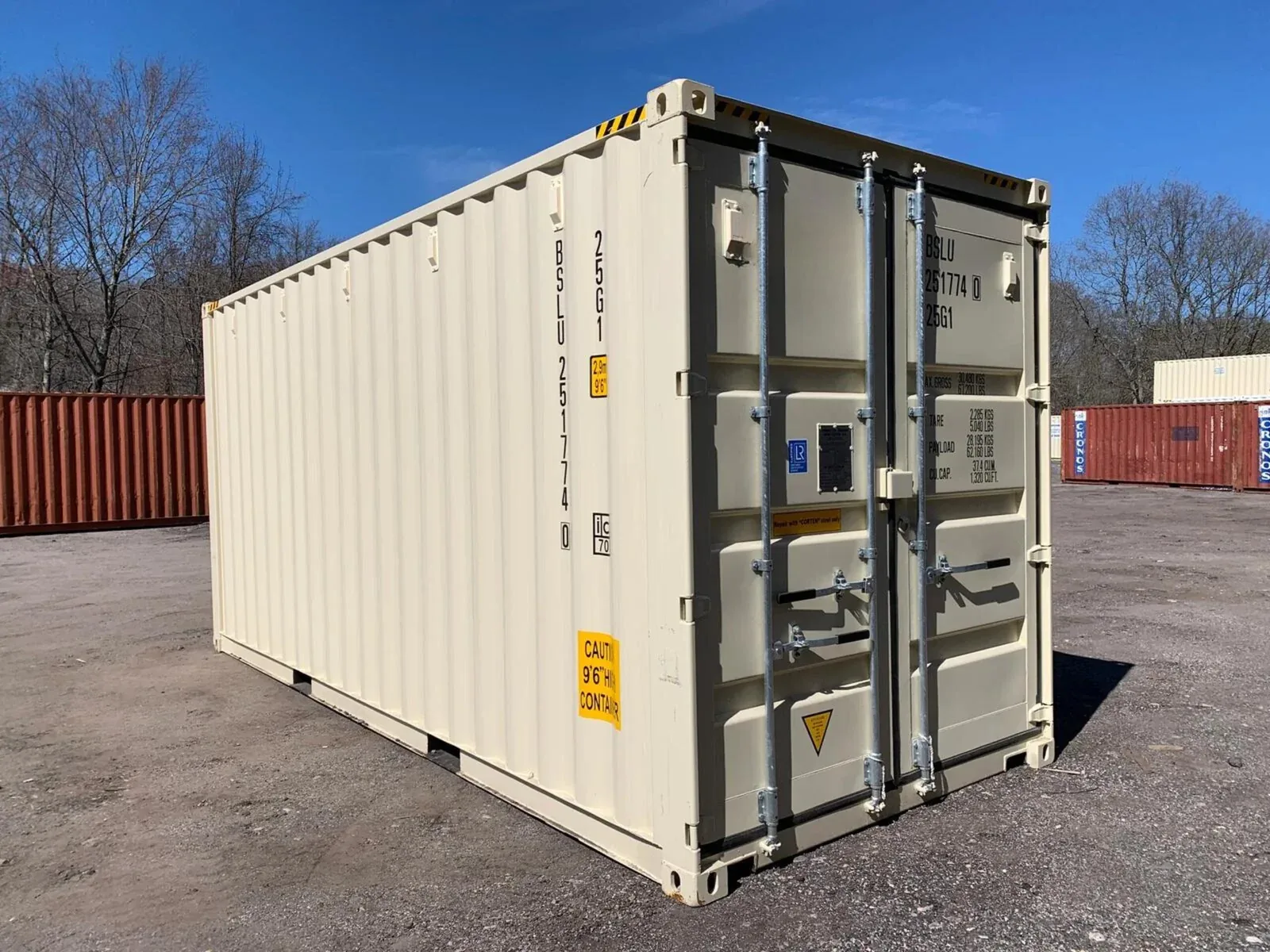
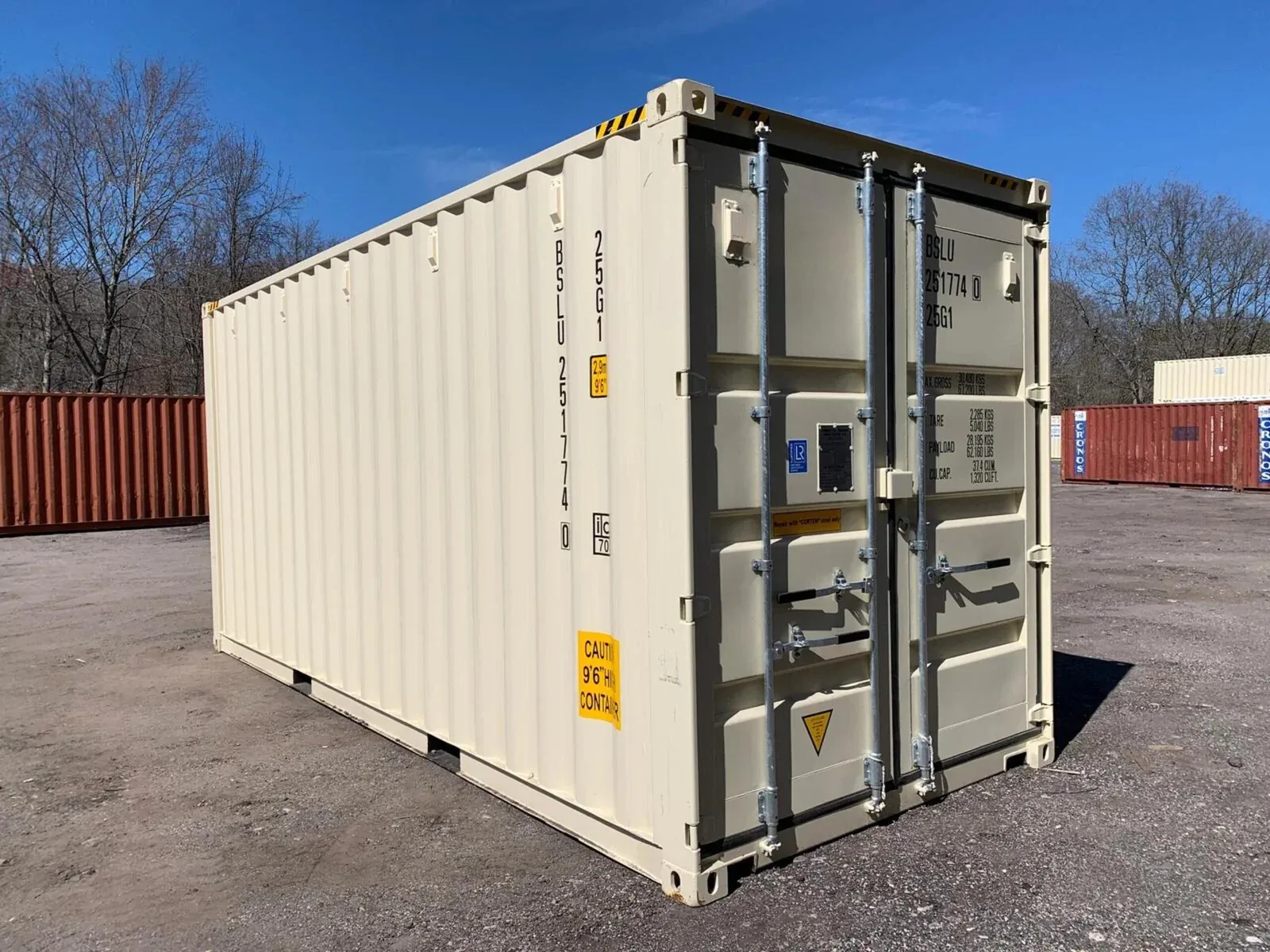
Grade matters in salt air. A new or one-trip box holds its paint far longer than a worn used one, and a used container only makes sense if you accept the paint and let the price do the talking. Every listing states its grade and shows real photos of the actual unit.
Sunshine Coast and Brisbane are not the same job
Brisbane metro sits inside the 2-7 day window and is mostly flat suburban placement. The Sunshine Coast is regional Queensland on the transit clock, and half the good blocks are on a hill. That changes the truck and the ground prep more than it changes the container. If your site is south of the Caboolture line, the Brisbane page is the closer read.