Free delivery, with the freight already in the price
Every unit on the site is listed at one GST-inclusive price that already carries the freight to Rockhampton — Gracemere, Parkhurst, Norman Gardens, the Lakes Creek side of the river, or out along the Capricorn Highway. There is no separate freight charge and nothing is added to the invoice at checkout. Collection from the Melbourne yard is free too, but for a Central Queensland buyer the sensible option is delivery.
What we do ask is that you tell us about the site before dispatch. A station track, a grid crossing, a low branch over the driveway or a yard with a tight gate all change which truck we send. Get that right on the phone and the container lands where you want it the first time.
How a container gets here
Rockhampton sits on the Bruce Highway about 620-645 km north of Brisbane — seven to eight hours of highway through Gympie, Maryborough, Bundaberg and Gladstone, past the Mount Larcom turnoff where the Gladstone traffic peels away. From our yard the run is roughly 1,980 km, so a Rockhampton drop is booked onto a northbound linehaul and finished on the last leg up the Bruce.
Properties west of town go out on the Capricorn Highway — Gracemere first, then Duaringa, Dingo and on to Emerald and the Central Highlands. Anything set back off the highway, or down unsealed access, is confirmed case by case before dispatch rather than assumed.
Published transit after dispatch: 4-10 business days for regional Queensland, and 10-21 business days for remote or unsealed-access sites, confirmed case by case. The exact day is booked with you once payment clears.
Which truck suits your site
Containers arrive on a tilt-tray or a side-loader. A tilt-tray tips the bed and slides the unit off the back, so it needs roughly twice the container length in straight, clear space — about 24 m for a 40 ft — with room to pull away afterwards. A side-loader sets the container down beside itself and only needs a clear strip alongside the drop point, which is the better fit for a tight yard, a fence line, or a shed you are placing the unit hard against.
Ground has to be firm and level. On the cracking black soil and the river flats around the Fitzroy, that means a proper base — compacted gravel, a concrete pad or bearers — rather than dropping straight onto wet ground in the middle of summer. What to put a shipping container on runs through the options.
Siting it above the Fitzroy, and keeping it dry
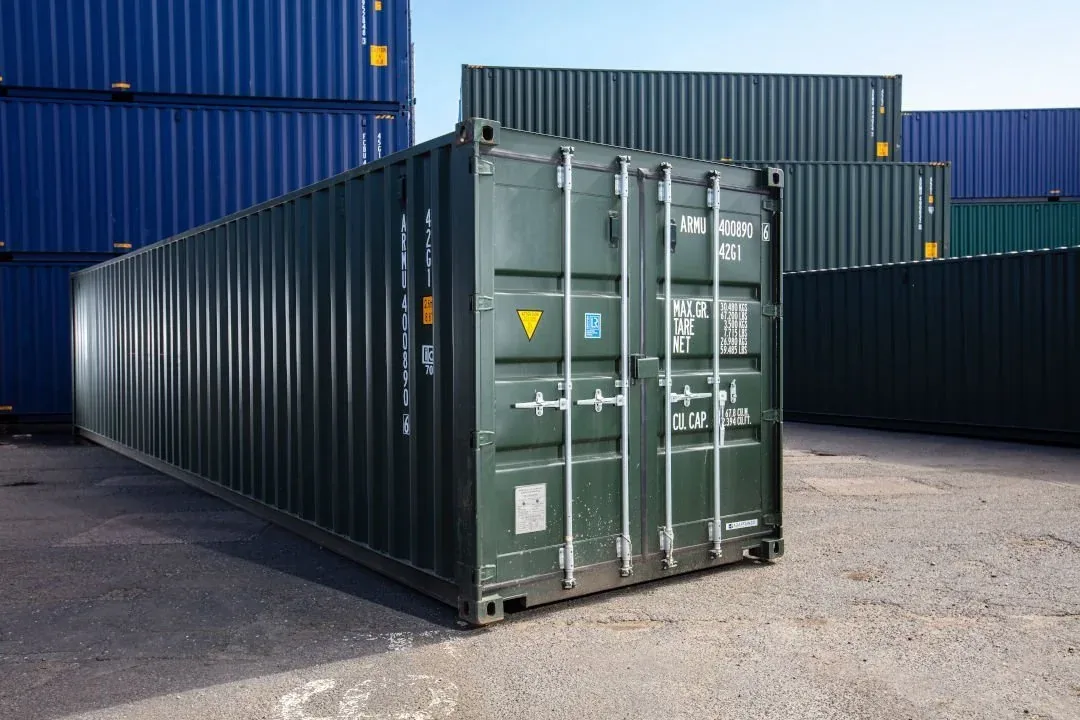
The Fitzroy floods — minor and moderate events come through most wet seasons — so the first decision on any Rockhampton block is height. Put the container above the line you have seen water reach on your own ground, not on the low corner because it is out of the way. A 40 ft is 12.19 m long, 2.44 m wide and 2.59 m high in standard height, or 2.89 m in high cube. Once the floor is under water the contents are gone and the ply floor and insulation are the first things to fail.
The Tropic of Capricorn runs through the city, and the second problem is the same heat that makes this good cattle country. A sealed steel box swings hard between a hot day and a cool night, and the moisture condenses on the ceiling and drips onto whatever is underneath. Vents and whirlybirds are cheap and go in before delivery; stopping container condensation explains where the water comes from and what actually fixes it.
What buyers here store in them
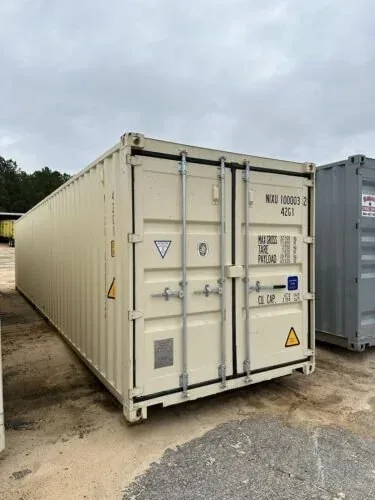
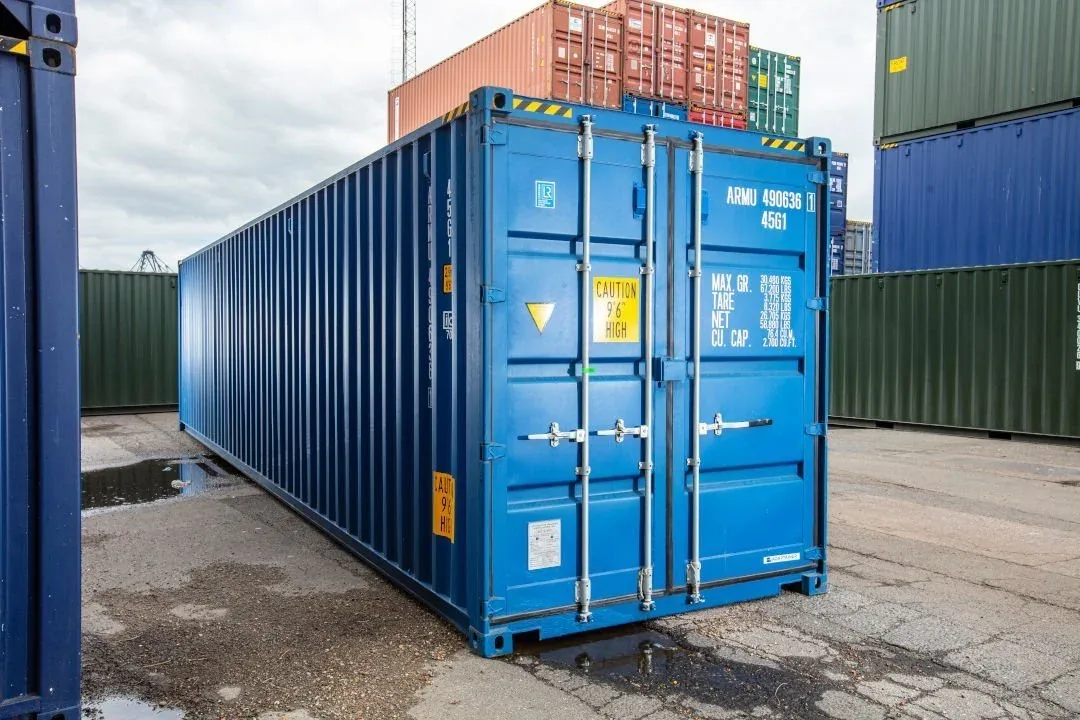
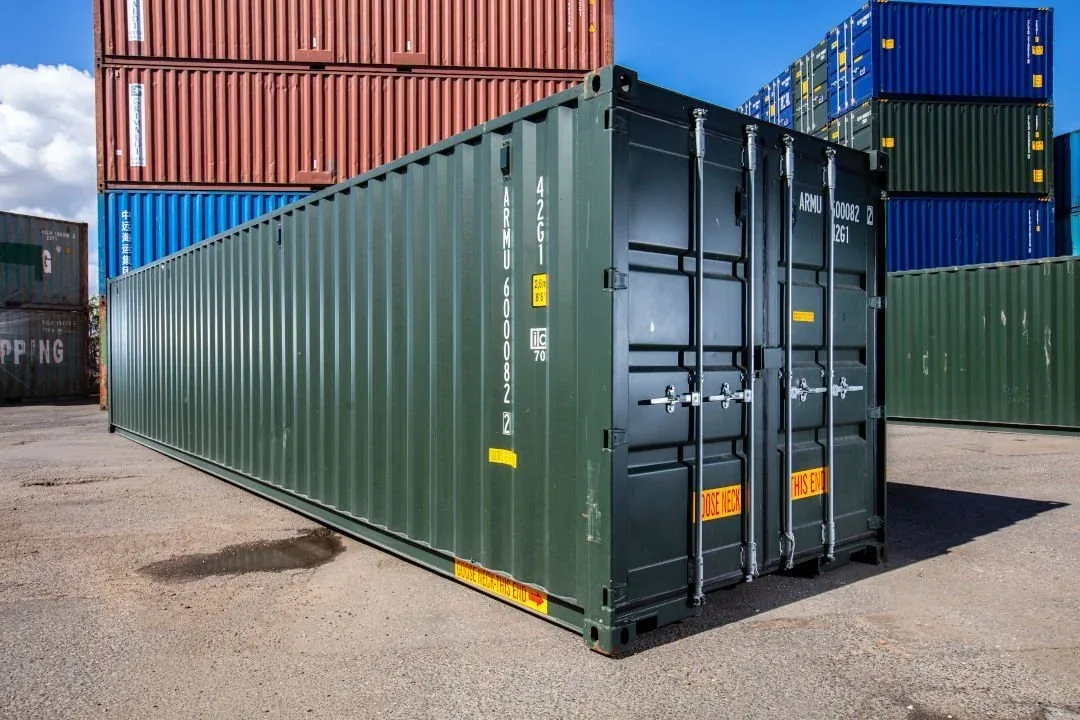
This is beef cattle country and much of what leaves the yard for Central Queensland is a working store. Feed is the big one — hay, pellets, lick blocks and supplements kept dry and away from rats — along with machinery parts, fencing gear, saddles, tools and fuel-free equipment that would otherwise rust or walk. A 40 ft container gives about 67.7 m3 and 28.3 m2 of floor: a season's feed, with room left for the quad bike. On a block where nobody is home during the day, add container locks and a lock box.
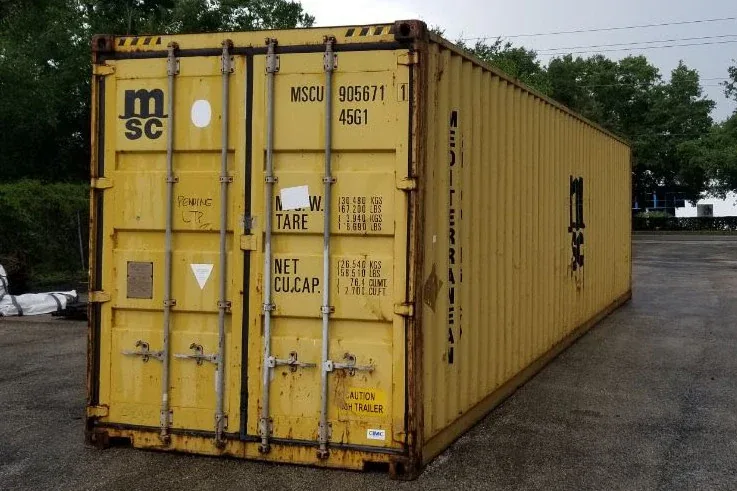
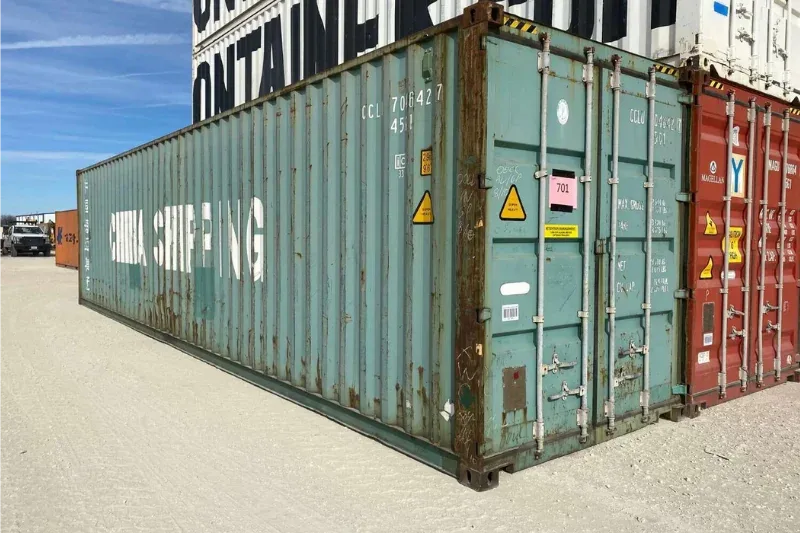
Smaller yards, and blocks where the access is tight, are better served by a 20 ft — shorter to place, and quicker to fill to a useful level. On grade, a used container that is wind and watertight keeps the weather out as well as a new one; the difference is appearance and how long the paint and seals will last. New, one-trip or used sets out which grade suits which job.
The other regular for the region is a refrigerated container, used as a lockable cold room by producers and food businesses that have outgrown a cool room, or by anyone who needs cold storage out at the yards.
Cabins and modified units
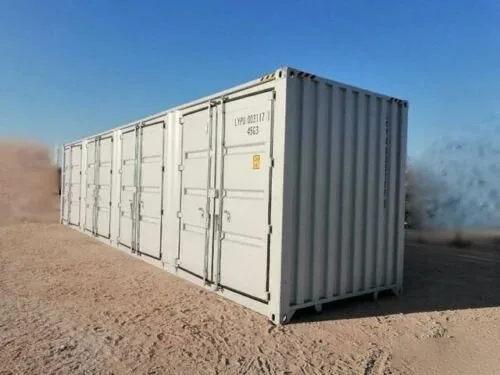
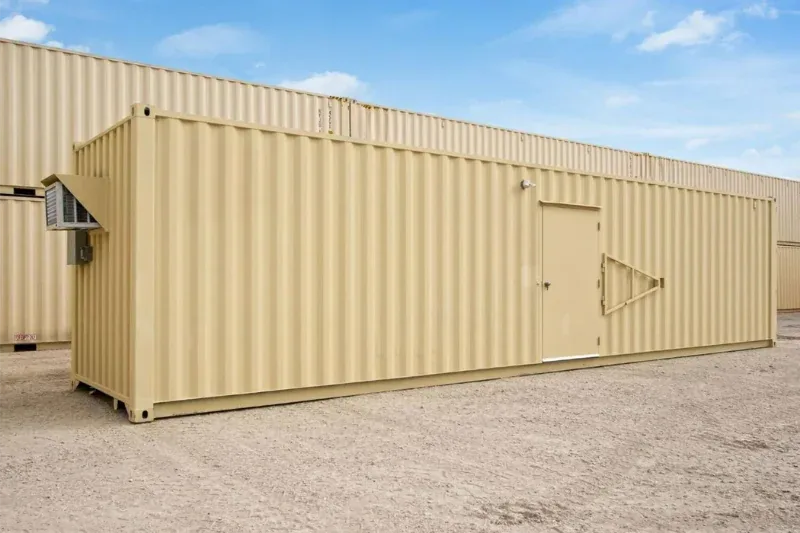
Site offices, crib rooms and toilet blocks come this way too. Cabins usually travel on a flat-top and are placed by crane or Hiab, so the access question is whether the truck can stand beside the pad rather than whether you have a long clear run. Gracemere and Parkhurst are the region's growth areas and a cabin on site is often the first building up. A modified container — roller door, cut-in doorway, awning — does the same job for a workshop or a store that people need to walk into.
If you are unsure whether a container needs approval on your block, the general position is in council approval for shipping containers. Rockhampton Regional Council has the final say, and it turns on what the unit is used for and how long it stays.
Paying, and what happens next
Nothing is charged on this website. Choose the unit and check out, or send a quote request, and you get an emailed invoice — paid by EFT, PayID or an emailed card payment link. Dispatch is 2-5 business days after the payment clears, and delivery is booked with you at that point. Trailers, accessories and containers can go on the one invoice if the block needs more than a box. There is a 30-day change of mind return, and damage or faults are reported within 48 hours of delivery.
Full detail sits in delivery, payment methods and returns, and every size and grade is compared in the container buying guide.