 10×5 Tandem Tipper Trailer/ 2800 Kg GVM/ Hydraulic RAM — tap to view
 8×5 Tandem Tipper Trailer/ 2800 Kg GVM/ Hydraulic RAM — tap to view
What actually arrives on the day
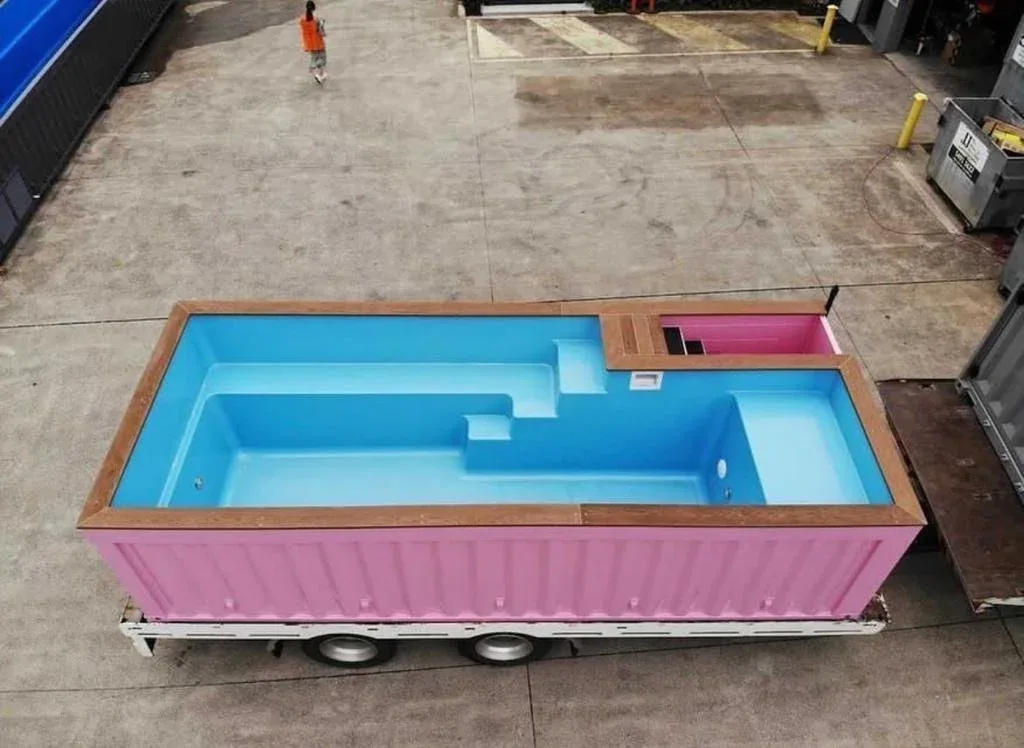
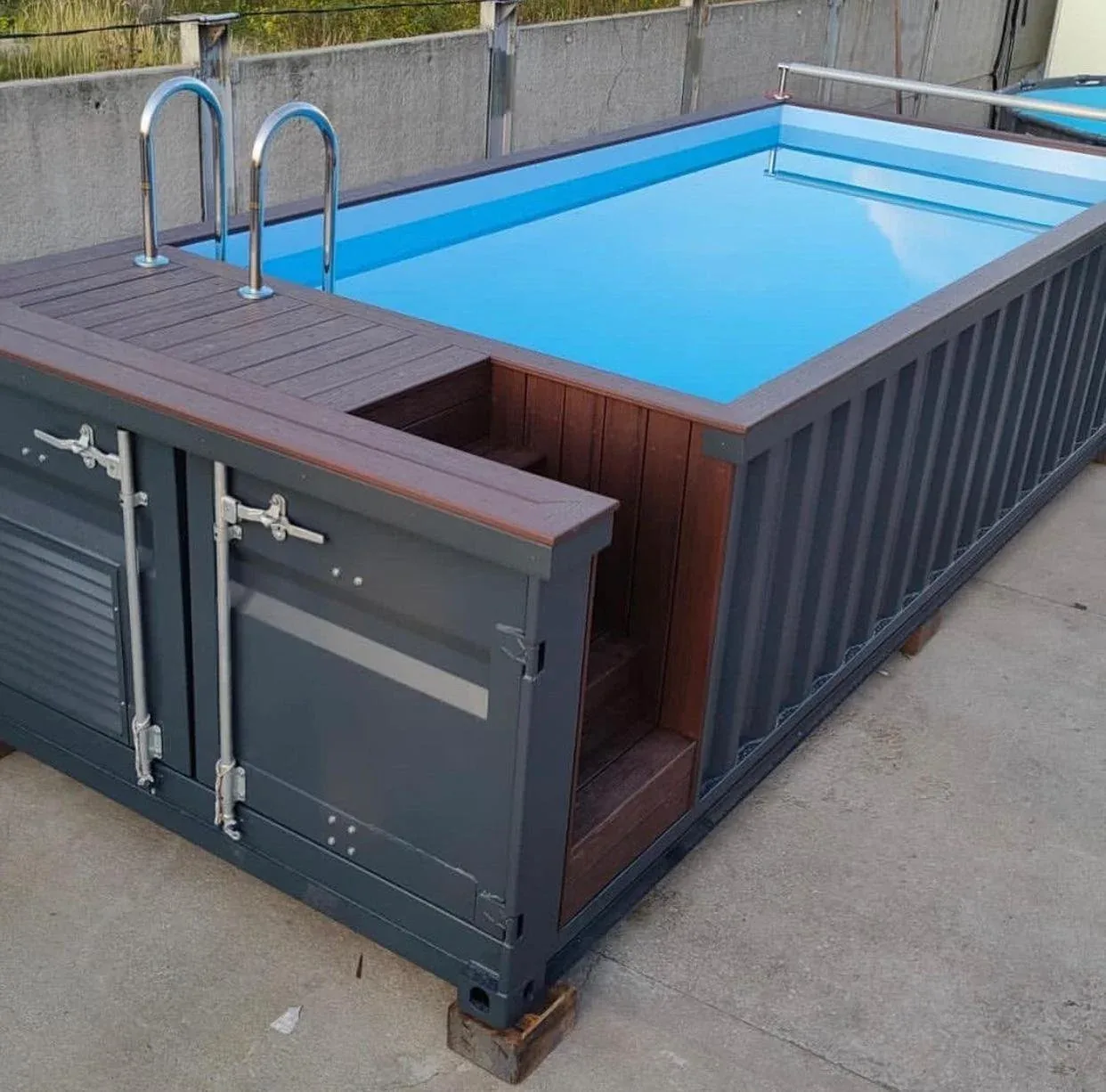
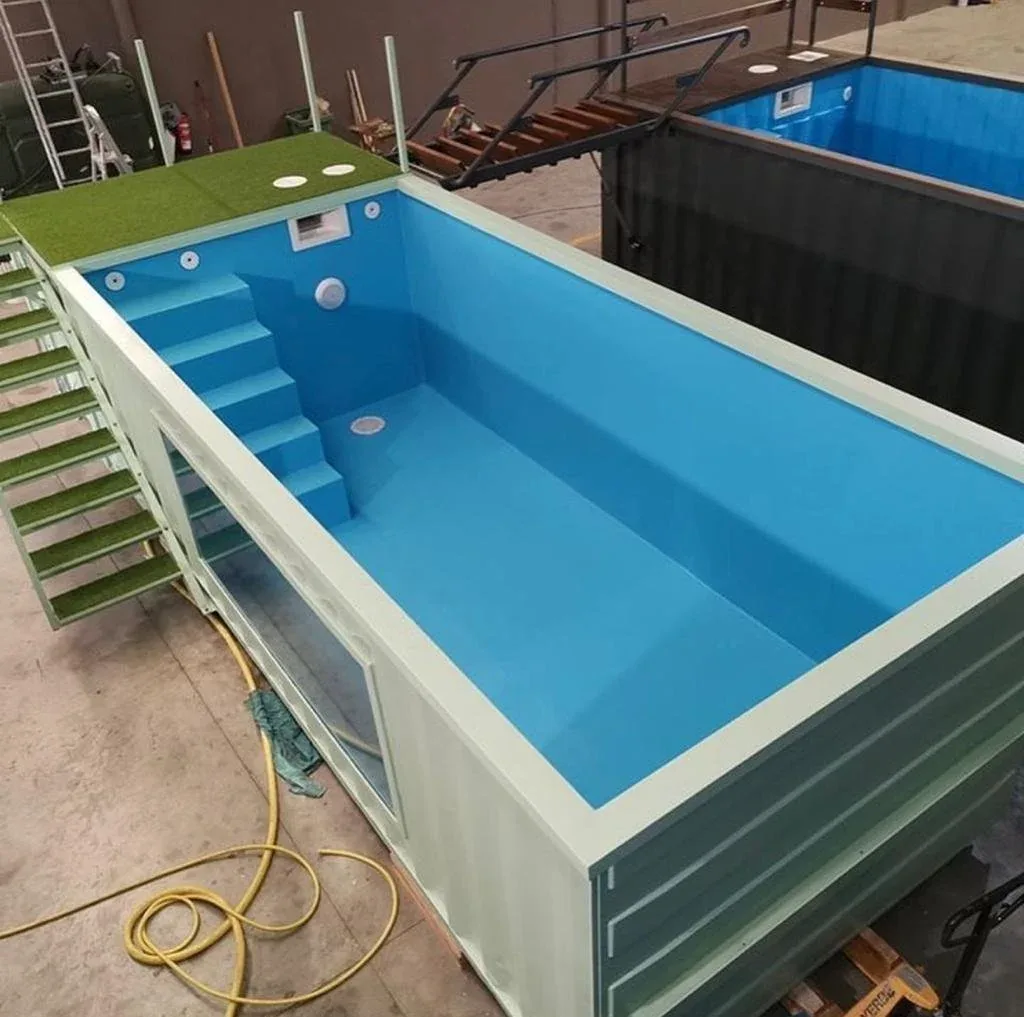
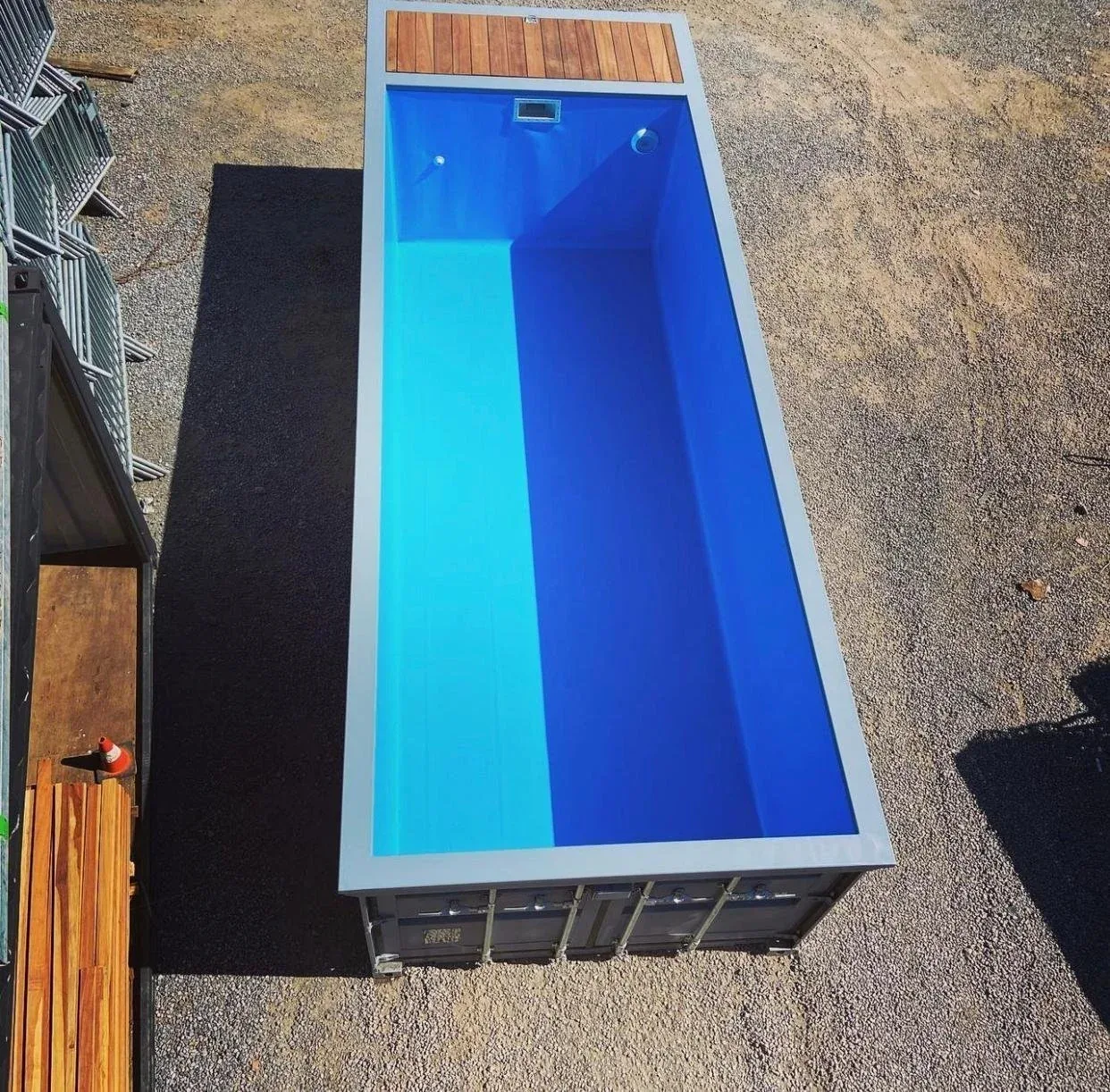
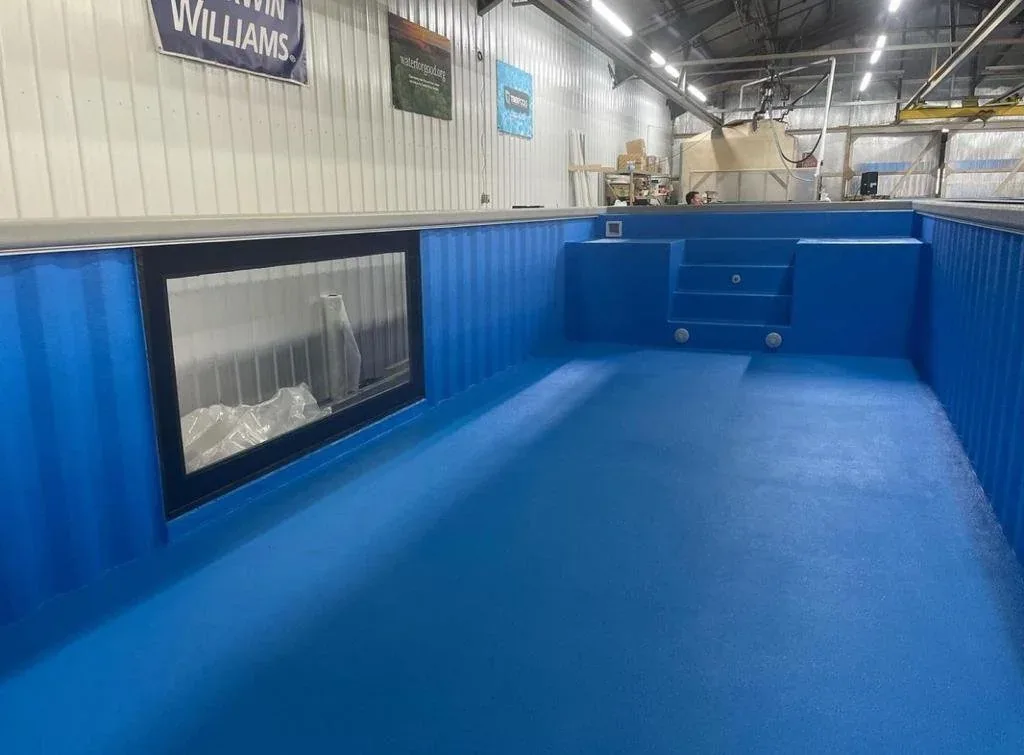
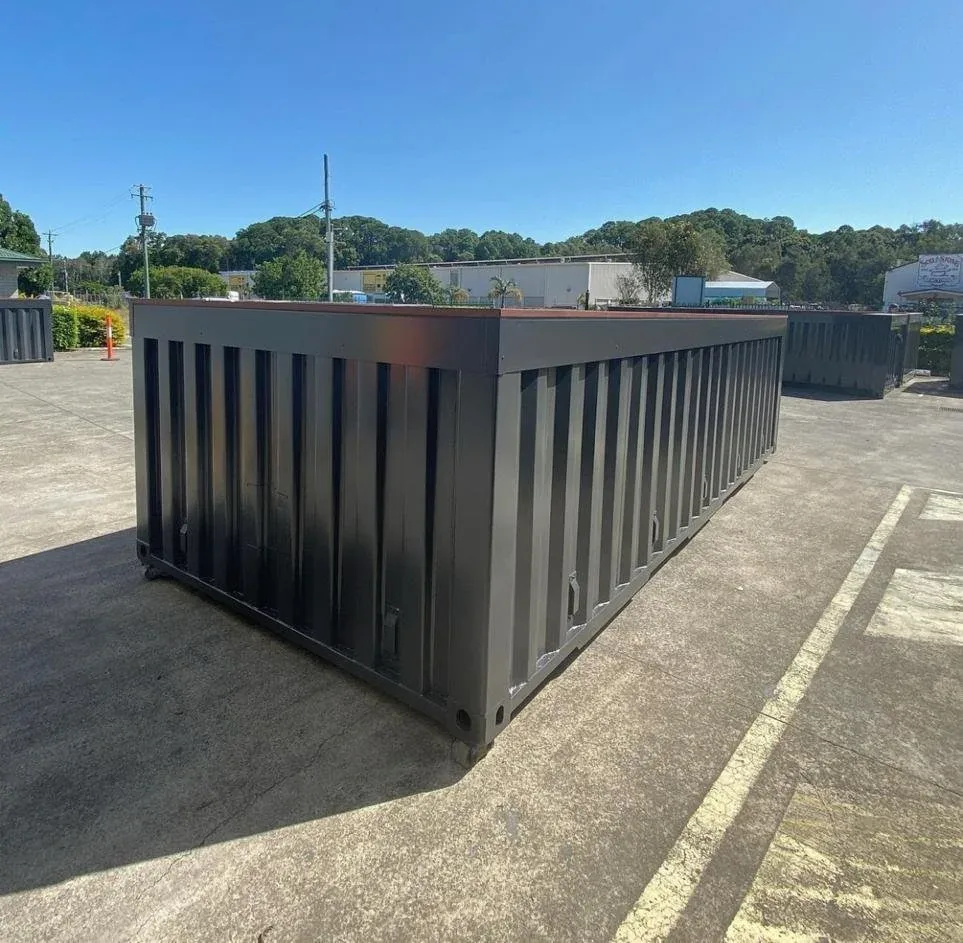
The pool comes as a complete steel shell: corrugated walls, a braced top edge, a lined interior and the plumbing points already in it. It is still a container, so it travels like one — on a flat-top or a tilt-tray — and it is lifted off, not tipped off. That is the first thing to get straight, because once a pool is on the ground in the wrong spot, it does not slide, roll or drag anywhere.
Everything else in this guide follows from that one fact. The pool lands where the crane puts it, and it stays there.
Pick the length for the swim, not for the yard
Container pools are sold in three lengths, and the difference in the water is bigger than the difference in the footprint. All of them are 2.44 m wide externally, so width rarely decides it — length and access do.
- 20 ft — about 6.06 m outside, just under 6 m of water inside. The backyard pool: it sits on roughly the footprint of a car space and suits a plunge pool, a lap lane for one swimmer, or a family with small kids. The 20 ft pools include a customisable build and a pink finish if you want something other than the usual look.
- 30 ft — about 9.1 m outside. The middle option: a real swimming length without taking the whole yard.
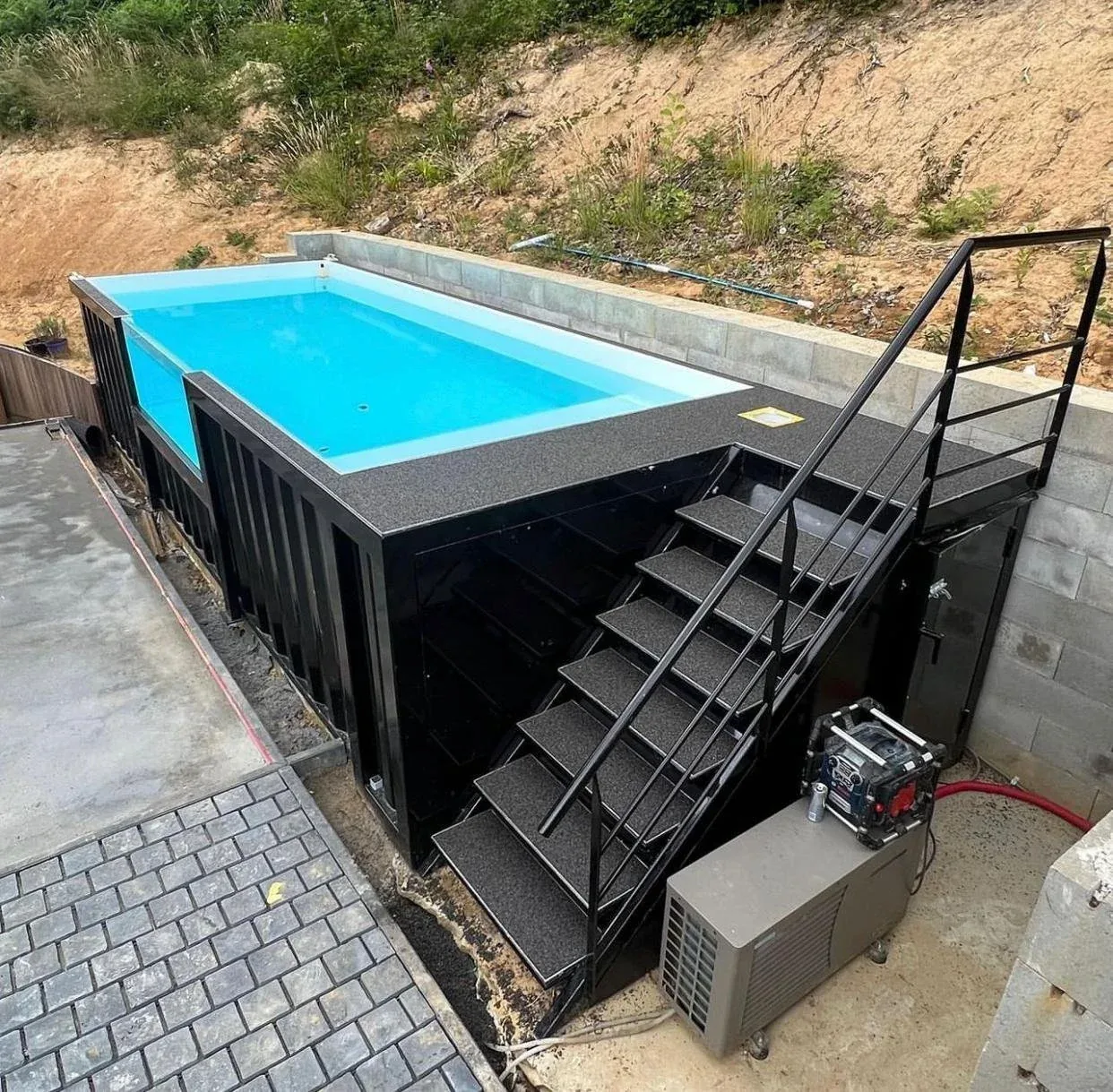
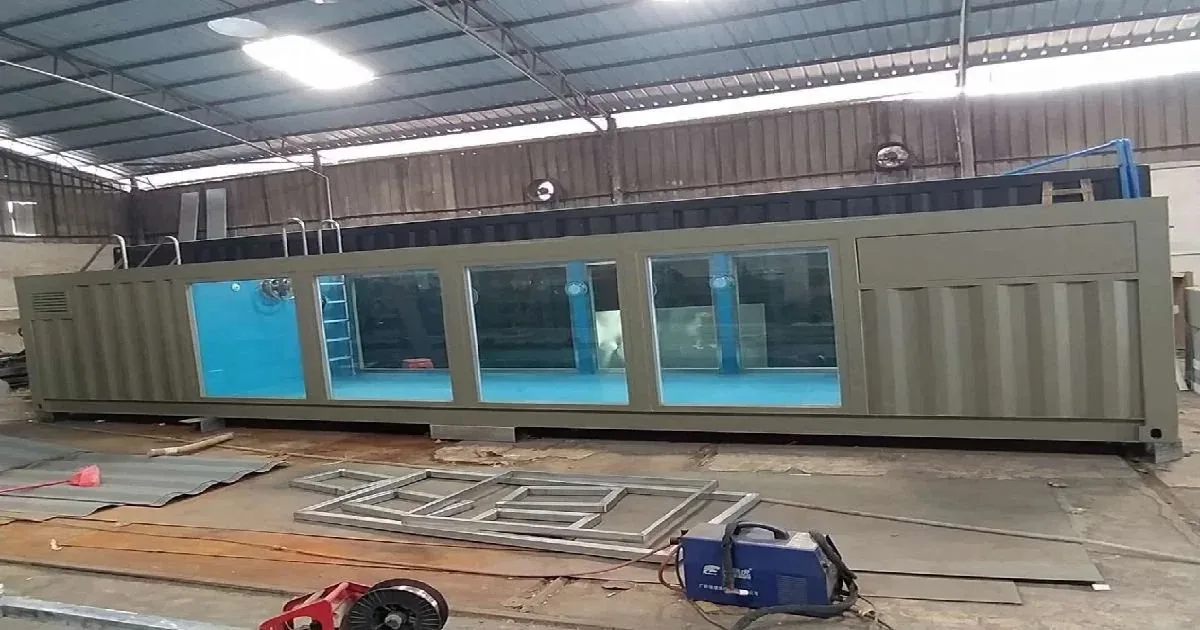
- 40 ft — about 12.19 m outside, roughly 12 m of water. A proper lap pool. It needs a long, straight run of ground on the base and crane access to match, and the 40 ft units come in plain colours, matte black and a glass viewing panel version.
Go and pace the spot out with a tape before you commit. A 40 ft pool is longer than most people picture when they look at their own backyard.
The base has to carry the water, not just the steel
A cubic metre of water weighs a tonne. By the time a pool is full, the ground under it is holding many times the weight of the steel shell, and it does not spread that load out for you. The base is not a landscaping detail — it is the structure the pool sits on.
What works is a level, firm, drained surface: a concrete slab sized to the pool, or a properly compacted and levelled hardstand with surface water running away from the pool. What does not work is soft fill, a slope dressed up with a bit of gravel, or a spot that holds water after rain. The shell has to sit flat. A pool that is out of level puts uneven load into the walls and looks wrong from the house, and you cannot fix it later without draining the pool and lifting it again.
The general ground rules for a container are in what to put a shipping container on. For a pool, add the water load on top of everything that article says, and assume the base has to be built before the delivery date rather than after.
Sort the crane before you order
This is where pool jobs are won or lost. The truck brings the shell to your street, then a crane or Hiab lifts it over the fence and sets it on the base. Both halves of that need planning.
- Truck access. A tilt-tray needs roughly twice the container length in straight, clear space plus room to manoeuvre. A side-loader needs a clear strip beside the drop point. Gate widths, low branches, overhead powerlines and a steep driveway all count against you.
- Truck and crane standing. The ground they stand on has to be firm. Crane outriggers put a lot of load into a small area, and a lawn in July is not a hardstand.
- Crane reach. The lift has to travel from the street to the base, over whatever sits in between. A pool in the backyard behind the house is often fine on a crane with enough reach; a pool where the only clear line runs under a canopy of trees is not. Measure the gap you have to get through, not the size of the yard.
- Timing. The shell has to come off the truck when it arrives. If the base is not ready or the crane is not booked, you are paying for a truck to sit there.
Delivery is free to any address in Australia — the freight is already in the listed price, so nothing is added to the invoice — and collection from the Melbourne yard is also free if you would rather arrange your own lift. The delivery page sets out the truck types and the published transit windows by state.
Approval and pool fencing come first, not last
A container pool is a swimming pool as far as the law is concerned. Development or building approval for the structure, and the safety barrier around the water, are set by your state or territory's swimming pool legislation and enforced by your local council. The rules are not the same everywhere: what depth of water triggers a barrier requirement, what counts as a compliant fence, whether the pool wall itself can form part of the barrier, and what you need to lodge all differ — between councils as much as between states.
None of that is a reason to walk away from a container pool. Plenty of them are approved. It is a reason to ring your council before you order rather than after, and to ask three specific questions:
- Does a pool at this address need development approval, building approval, or both?
- What safety barrier does the pool have to have, and does the container wall count towards it?
- What do I have to lodge, and is there anything about the site — slope, drainage, easements — that will hold it up?
The general picture, including when a container itself needs council consent, is in do you need council approval for a shipping container. Read that first, then confirm the pool-specific rules with your own council — they are the only people who can answer for your block.
Water, power and the bits around the shell
The shell is one part of a working pool. Line up the rest before the crane arrives, because a pool sitting empty on a finished base while you wait for a sparky is a wasted couple of weeks.
- Filling. Most owners use a water cart. Filling a pool of this size through a garden tap takes a long time and usually upsets the neighbours.
- Power. The pump, filter and any lighting need a circuit at the pool, run by a licensed electrician with the safety switch and earthing your state requires.
- Draining. Decide where the water goes before you need to — garden, stormwater or sewer. Your council has a view on this and it is usually the sewer that is off limits.
- Decking and surrounds. Anything you build around the pool has to meet the same barrier rules as the pool. Plan the deck at the same time as the fence, not after it.
Also confirm what comes with the shell and what you are sourcing yourself — pump, filtration, cover, fittings, any timber work. Ask before you order so there is no surprise on the day.
A checklist to run before you pay
- Length chosen, and the base size worked out from it.
- Base built, level, compacted and drained.
- Council asked about approval and about the pool barrier.
- Truck route checked: width, overhead clearance, turning room.
- Crane reach from the street to the base confirmed, and the crane booked.
- Fill water, drain point and power organised.
- Contents of the shell confirmed with us in writing.
If any of that is still open, ring or message us with the address and a couple of photos of the street and the yard. We would rather talk you into the right pool than sell you one that will not come off the truck.