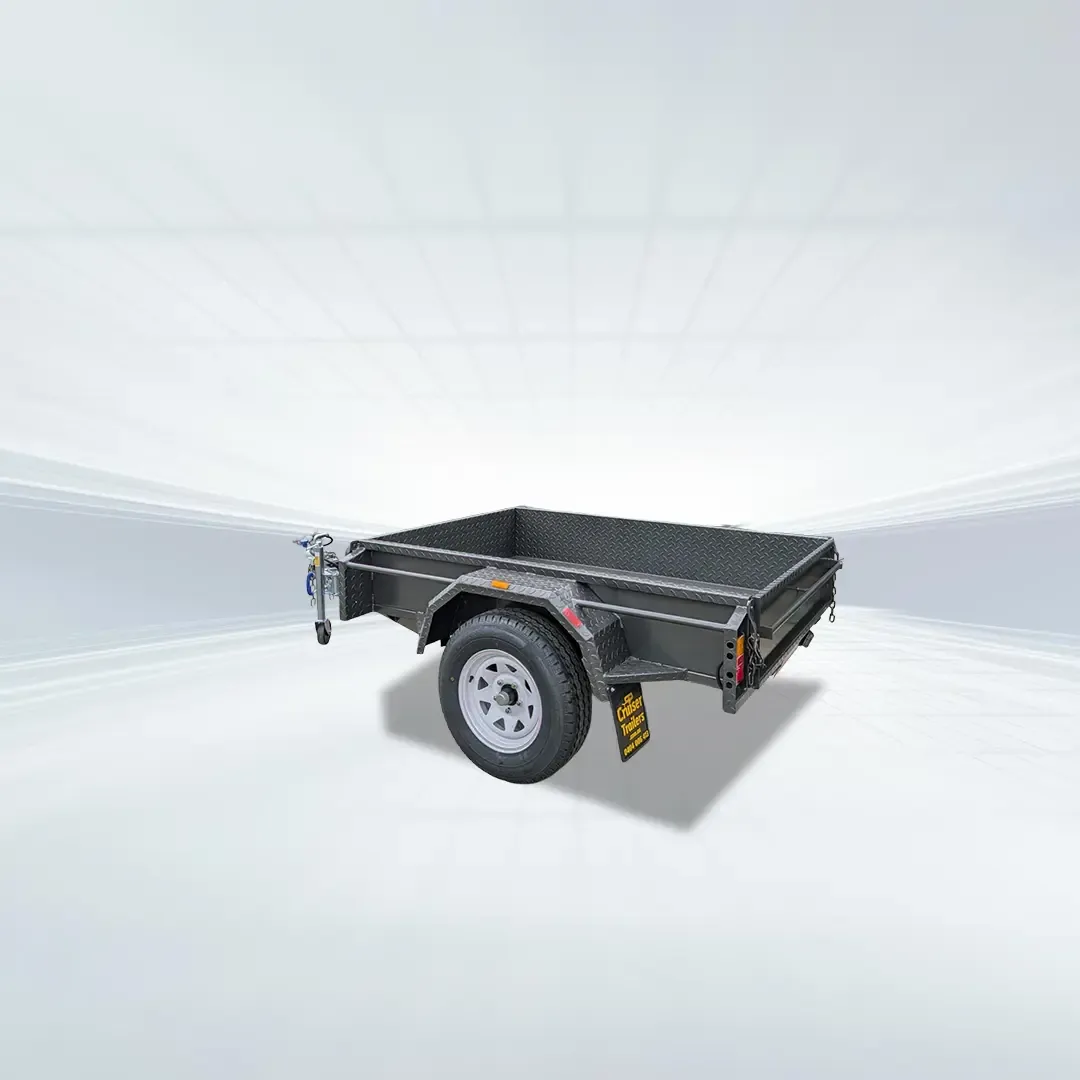
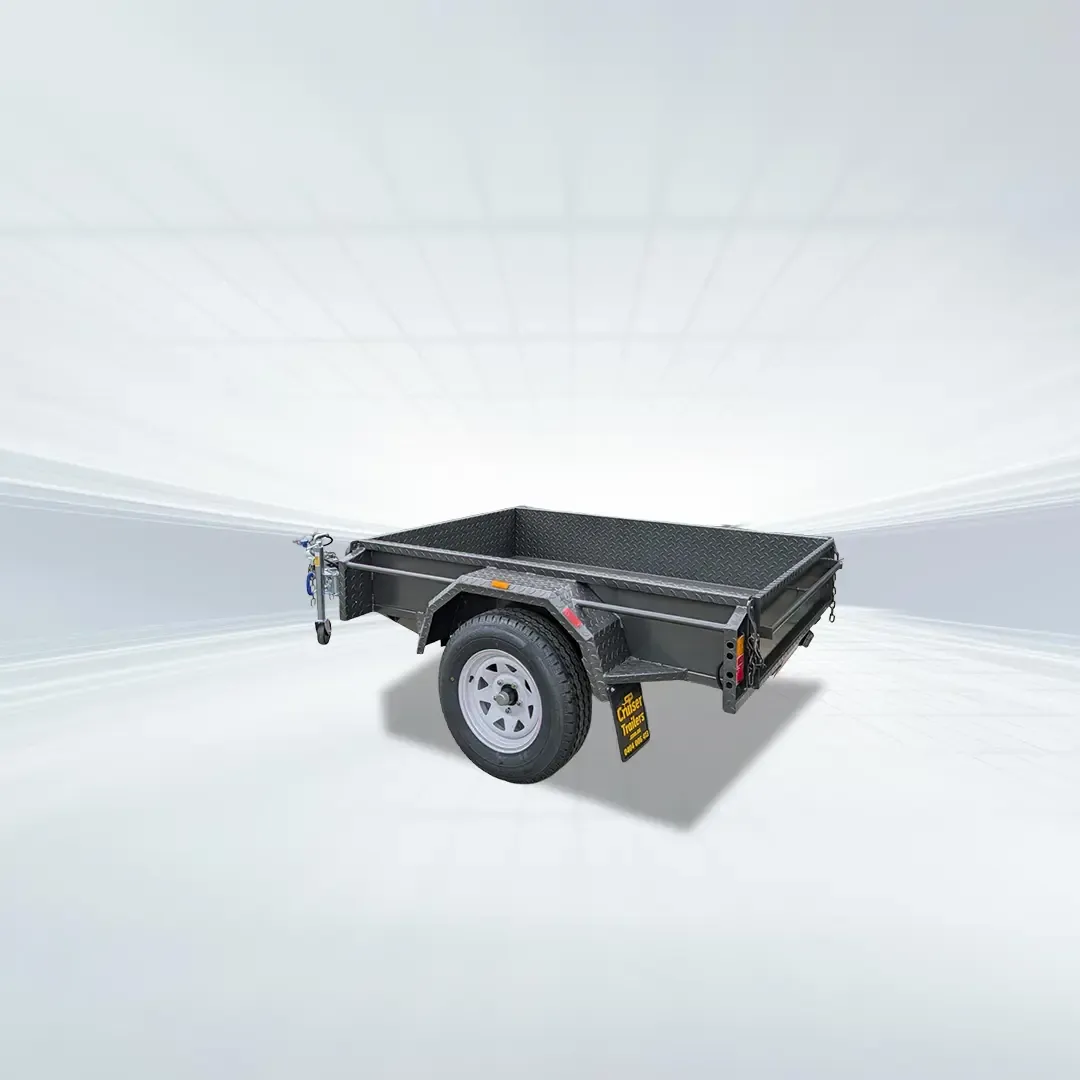
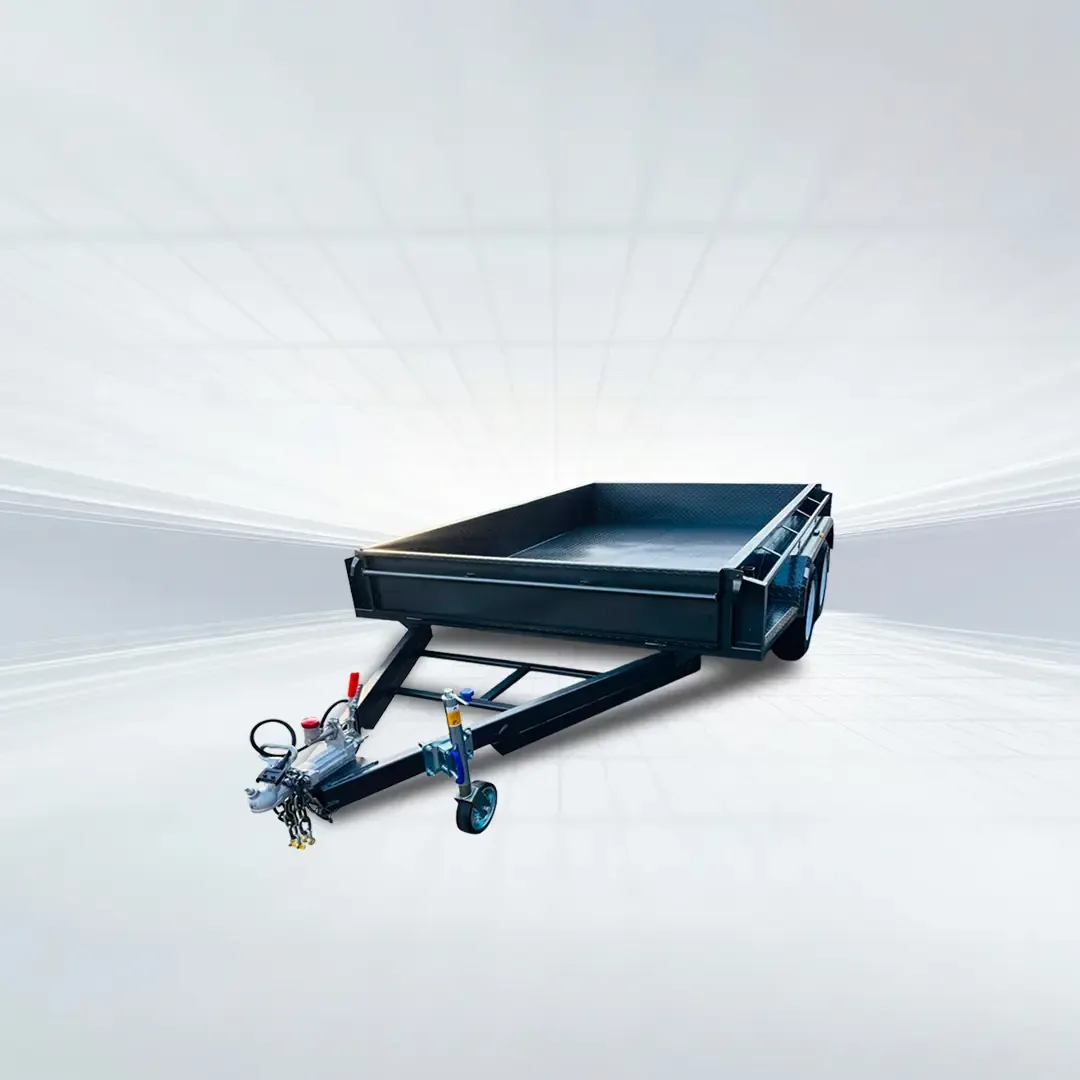
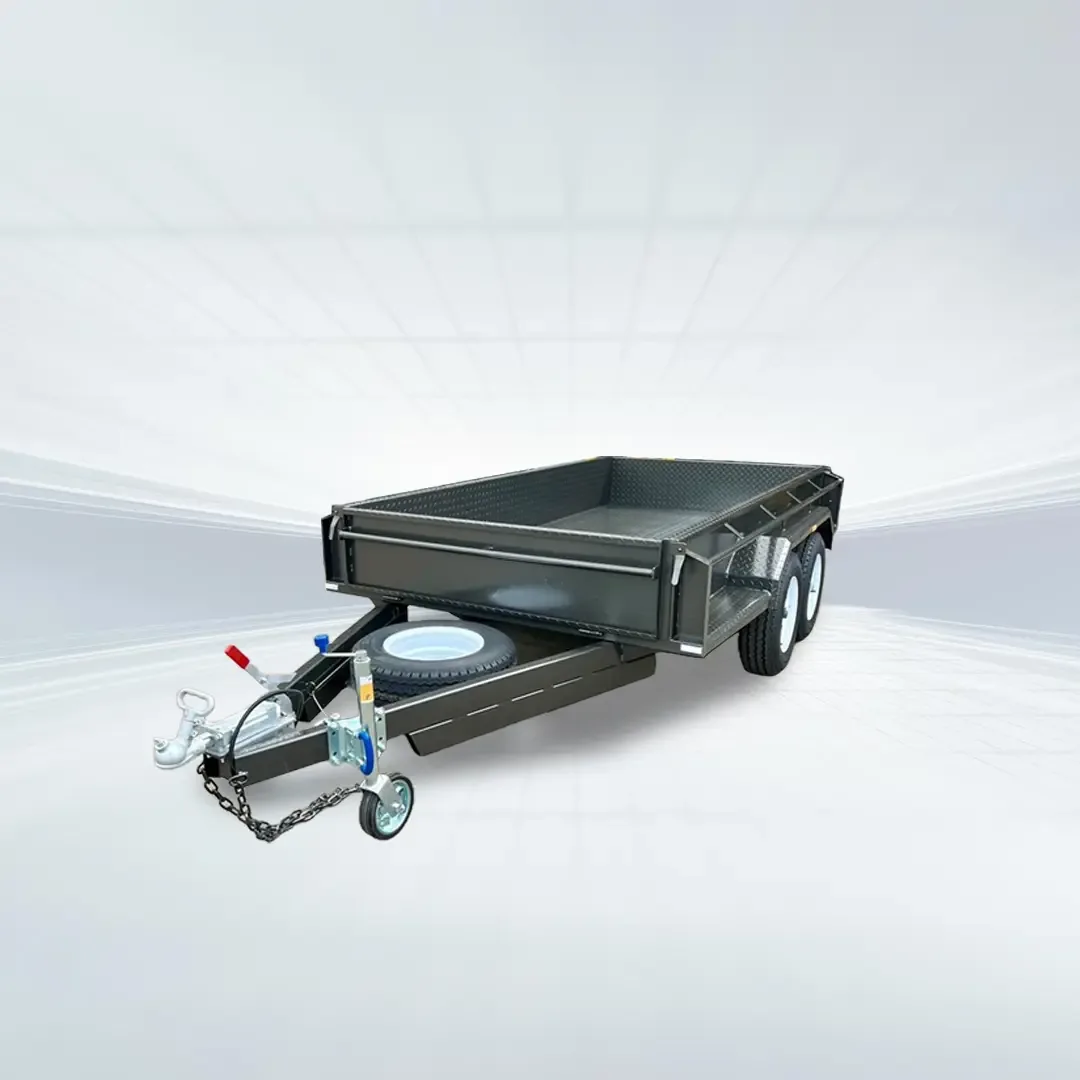
 16ft x 10ft Site Office / Jackleg Cabin — tap to view
 2.3m x 2.3m Flat Packed Office Cabin — tap to view
What every state and territory asks for
The order of the steps changes, not the paperwork. Have these ready before you book anything:
- Proof of purchase. The tax invoice from the seller, showing make, model, VIN and mass. This is the document that proves you own the trailer.
- A trailer identification plate fitted to the frame, showing the VIN, date of manufacture, ATM and GTM, and tare. It has to be a durable metal plate, bolted or riveted on, not an adhesive label.
- A 17-character VIN stamped into the drawbar and readable. A VIN that is double-stamped or hammered in with mismatched dies is a problem at the counter.
- An entry on the Register of Approved Vehicles. Since 1 July 2023 a new trailer without documented Australian registration history must be on the RAV before any jurisdiction will register it.
- An inspection report, where your state requires one for a first registration.
- Proof of identity and a garage address. Trailers are registered where they are kept, not where they were bought.
The RAV is the step most buyers miss
Before July 2023 a manufacturer could certify its own trailer with a plate and that was that. Now the VIN has to be on the national register first. If it is not there, the counter cannot process the application, whatever else you bring in. When you buy from a manufacturer, confirm the VIN is on the RAV and that the plate matches it, and keep the invoice that shows those details.
Victoria: VicRoads
VicRoads handles trailer registration at a VicRoads Customer Service Centre, and in most cases they want the trailer there for an inspection. The tare and ATM are read off the identification plate, so the plate has to be fitted and legible before you go. Trailers up to 750 kg ATM use the light trailer registration form; 751 kg up to 4.5 tonnes use the vehicle registration form.
Victoria also exempts genuinely small trailers from registration entirely: under 200 kg unladen, under 3 m long including the drawbar, no wider than the tow vehicle, not used for business, and not built to carry a boat. An exempt trailer carries the towing vehicle's registration number instead. If you intend to tow interstate, register it in Victoria before you leave.
New South Wales: Transport for NSW
Transport for NSW sets the standards and you lodge at a Service NSW centre. NSW wants an inspection report from an Authorised Unregistered Vehicle Inspection Scheme station, or a heavy vehicle inspection report where the ATM is over 2 tonnes, plus proof of registration entitlement and your ID. A weighbridge ticket is required where the tare cannot be confirmed from the specification or the plate.
NSW is strict on identifiers. The plate has to carry the manufacturer, model, VIN, date of manufacture and ATM, with GTM and tare as well on later builds, and a trailer built after mid-2021 needs its RAV entry. At the very small end a private trailer is treated differently to a heavier one, so ask when you book the inspection.
Queensland: Department of Transport and Main Roads
Queensland registers trailers through the Department of Transport and Main Roads at a transport and motoring customer service centre. A trailer of 750 kg ATM or less can be handled with a vehicle details inspection sheet. Anything over 750 kg, or with more than one axle, needs a pre-registration inspection before registration.
You also need proof of the trailer's origin. If there is no VIN and no previous registration history, a new VIN is issued through the national regulator and the trailer is inspected to confirm its identity. Bring a trailer in from interstate and Queensland gives you a limited window to register it locally, so do it straight away rather than after the first trip.
Western Australia: Department of Transport
The Department of Transport registers trailers through its licensing centres, and the order is fixed: inspection first, then the application in person with proof of identity. An unregistered trailer still has to get to the inspection station legally, so book the inspection before you arrange to collect.
The WA inspection covers identity and condition in one pass: plate, VIN, lights, coupling, safety chains, brakes and tyres. Fail on something small like a dud indicator and it is a second trip and a second fee, so check the lights and tyre pressures before you book, not on the morning.
South Australia: Service SA
Service SA registers trailers on behalf of the Department for Infrastructure and Transport. You lodge the application with proof of purchase showing the VIN, make and model, plus your ID, and pay at a Service SA centre. A dealer can sometimes register on your behalf; a trailer delivered from interstate is your job.
South Australia requires an identity inspection for a home-built trailer, a trailer from a manufacturer it does not recognise, one without proof of purchase, or anything over 4.5 tonnes ATM. Inspections run at Department for Infrastructure and Transport stations, with Regency Park the main one in Adelaide and regional stations elsewhere. Take the report to Service SA to finish, and note that a new trailer with no Australian registration history needs its RAV entry before any of this starts.
Tasmania: Transport Tasmania
Transport Tasmania sets the standards and Service Tasmania takes the transaction. A light trailer under 4.5 tonnes ATM that has never been registered, has been unregistered for a stretch, or has come from interstate needs a pre-registration inspection at an Approved Inspection Station first. You can tow it there unregistered if you have a booking and take the sensible direct route.
Then it is the inspection report, your licence, your proof of entitlement and the fee at a service centre. Tasmania checks for a RAV entry during the inspection where there is no documented Australian registration history, and the trailer plate must be the compliant metal type.
Australian Capital Territory: Access Canberra
Access Canberra registers trailers, and a brand-new trailer bought in the ACT or interstate needs an ACT roadworthy inspection first. Once it passes, the certificate goes to an Access Canberra service centre with your proof of purchase and ID.
Two ACT rules catch people out. Every trailer needs a RAV entry before it can be registered, and a trailer previously registered interstate needs an inspection regardless of its age. A home-built trailer is inspected at the Motor Vehicle Inspection Station or an authorised station and needs a weighbridge ticket taken with the trailer completely empty.
Northern Territory: Motor Vehicle Registry
The Motor Vehicle Registry registers trailers in the Northern Territory. A new trailer, and any trailer being registered in the NT for the first time, gets a compliance check at a government vehicle inspection facility, then you lodge the application with evidence of identity and residency and proof of ownership at an MVR office.
NT registration includes compulsory motor accident compensation cover, which is the main reason the process is not simply another state's with a different logo on the form. Arriving from interstate with a registered trailer, you have a set period to transfer it locally, so sort it before you start towing around on borrowed time.
Before you tow it to the inspection
- Check every light: indicators, brake lights, tail lights and the number plate light.
- Check the coupling sits down properly on the ball and the safety chains cross under the drawbar and are not fouling.
- Check tyre pressures cold and look for perished sidewalls or exposed cord.
- Know both masses: the ATM on the plate and what your tow vehicle is rated to tow and to ball-load.
- Ask your authority what you need to tow an unregistered trailer to a booked inspection. Several allow a direct route with a booking, others want an unregistered vehicle permit. Do not tow on another trailer's plate.
Buying a trailer from Steel Box Trailers
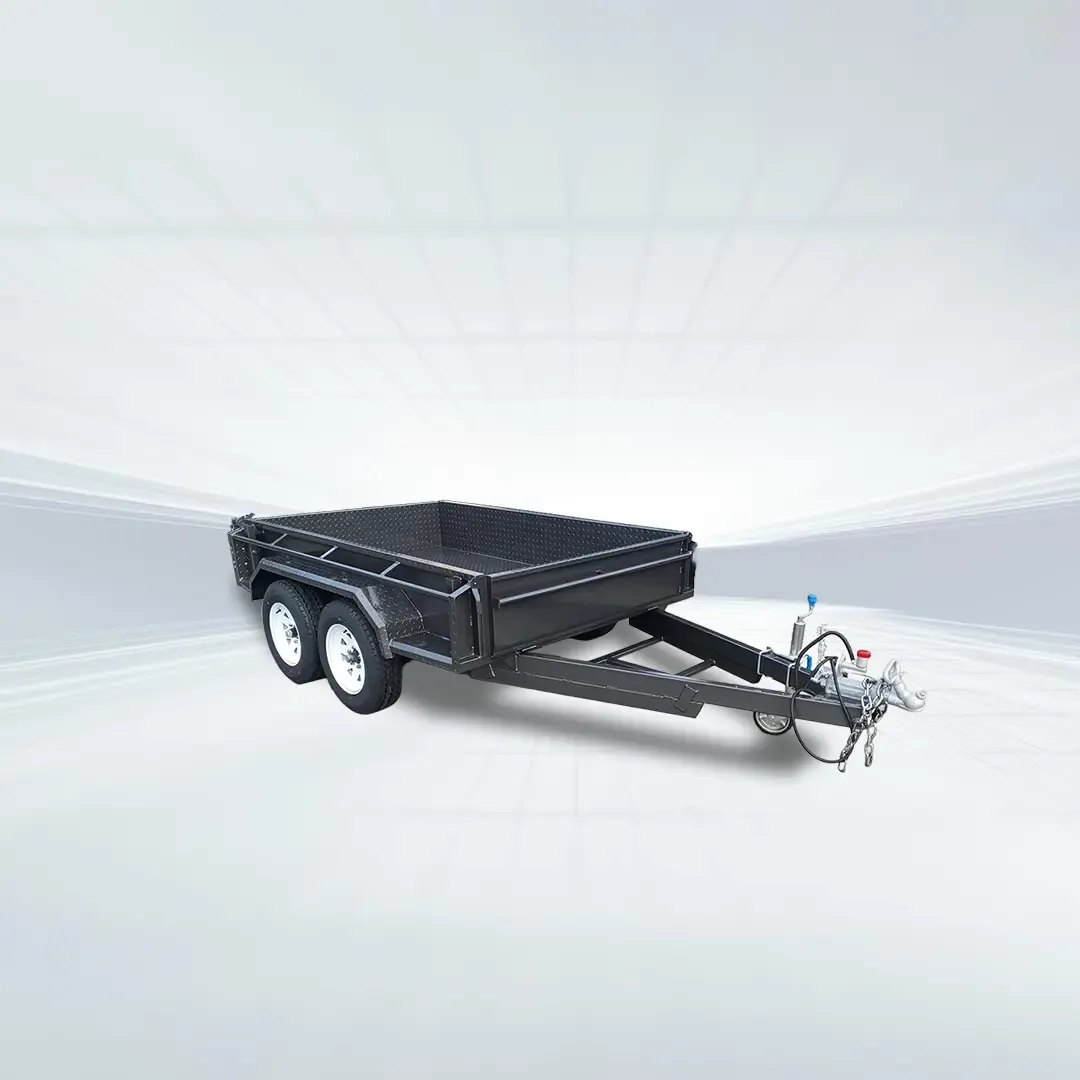
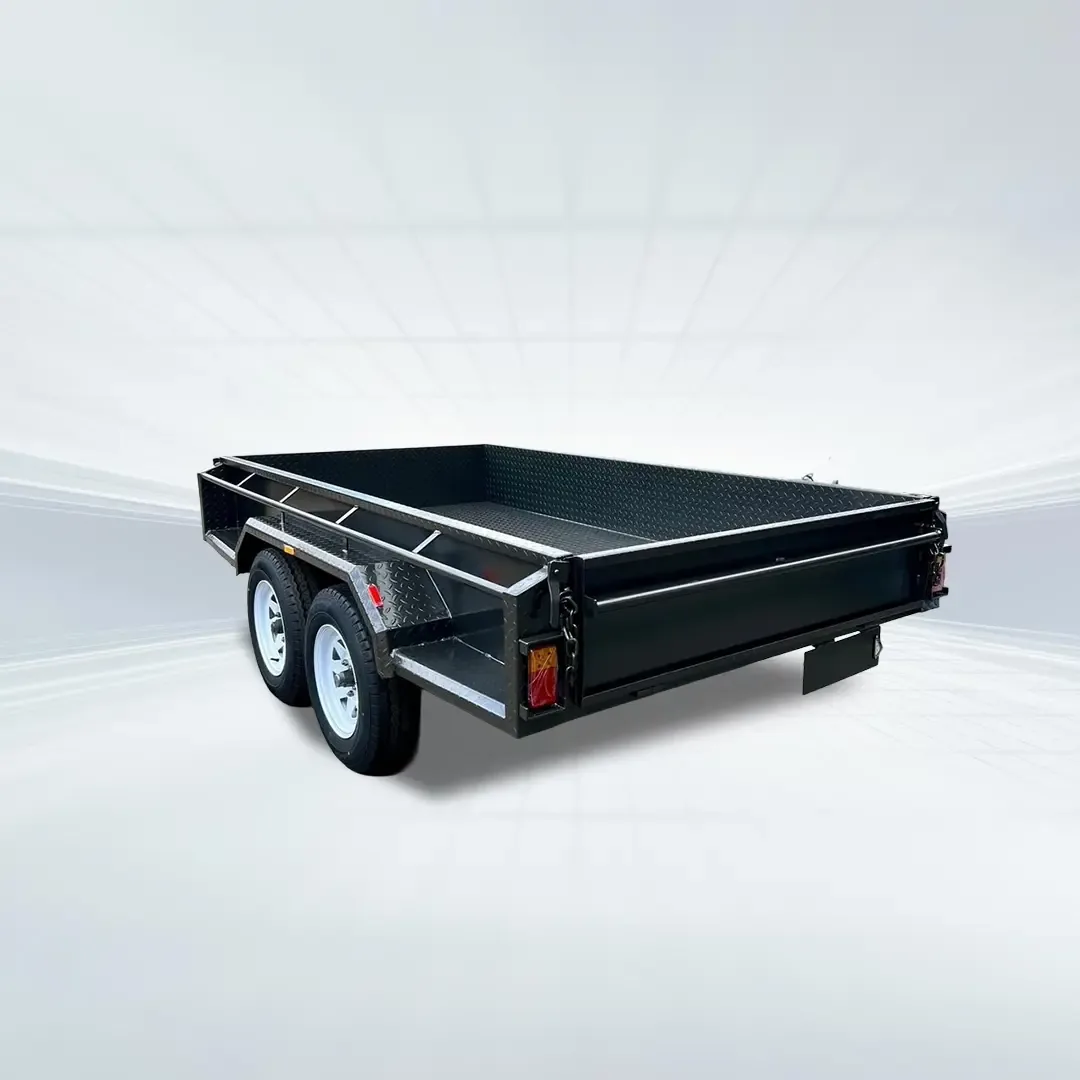
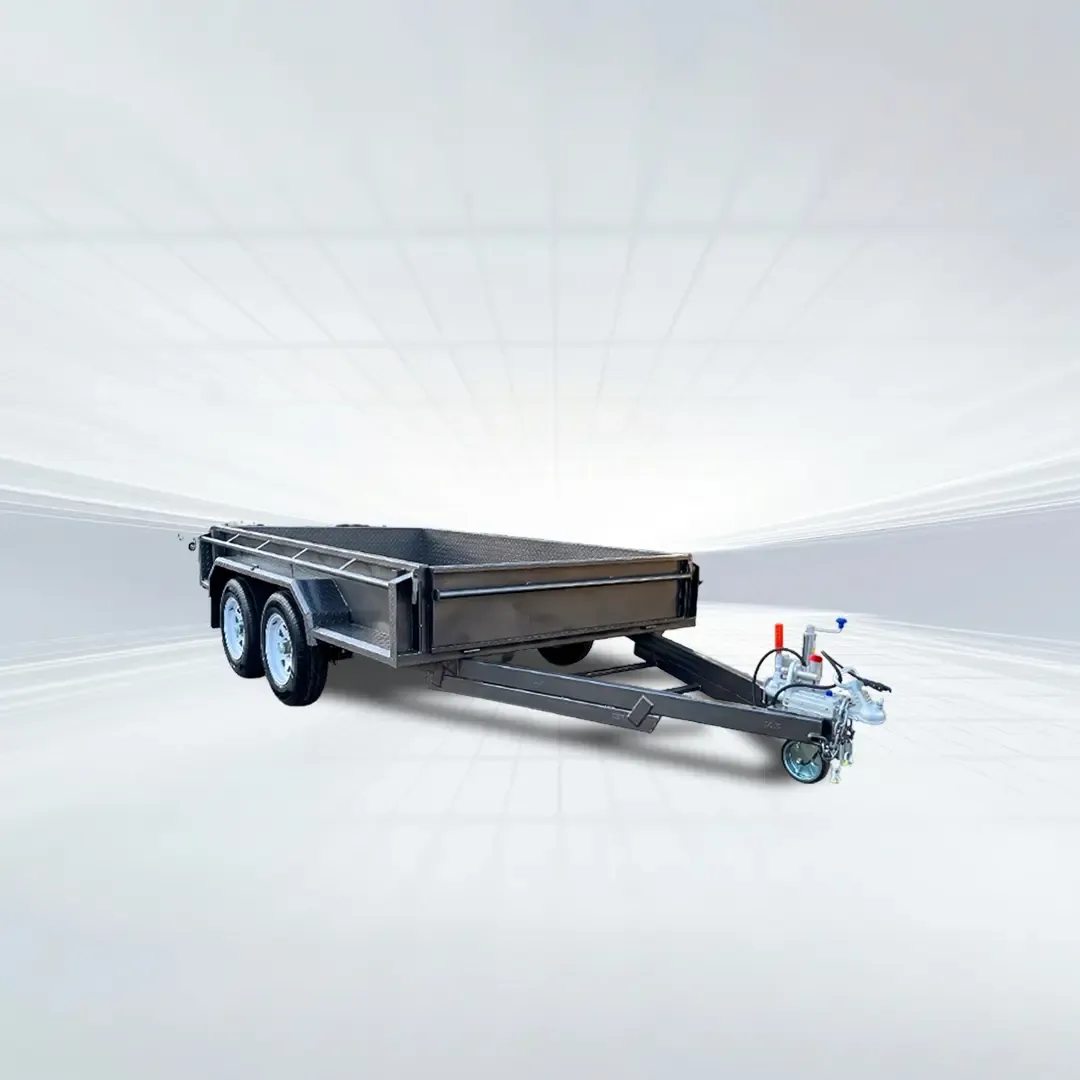
Our trailers leave the yard with the compliance plate fitted, the VIN stamped and the RAV entry done, and the tax invoice is your proof of purchase, which is the first document every one of these authorities asks for. Tell us at order time which state the trailer is going to and we will make sure the plate and paperwork match.
Delivery is free to any address in Australia, or collect from the Melbourne yard free. Either way the trailer arrives unregistered and you register it where it is garaged. If you are working out axle configuration or what brakes your tow vehicle's rating demands, read GVM, tare and trailer brakes explained first, then look through the trailers and box trailers. Delivery is covered on the shipping policy page, and anything else, ask us before you order.