What the shipping line checks before it loads
A container you own is a shipper-owned container, or SOC, and the line treats it differently from its own fleet. It gets looked at, and it can be turned away at the gate. Two things decide that: the condition of the box, and what is stamped on the door.
- Cargo-worthy condition. A sound floor, doors that close square, no holes or soft spots in the roof and walls, locking bars and seals working. This is a surveyor's standard, not how the unit looks in a listing photo.
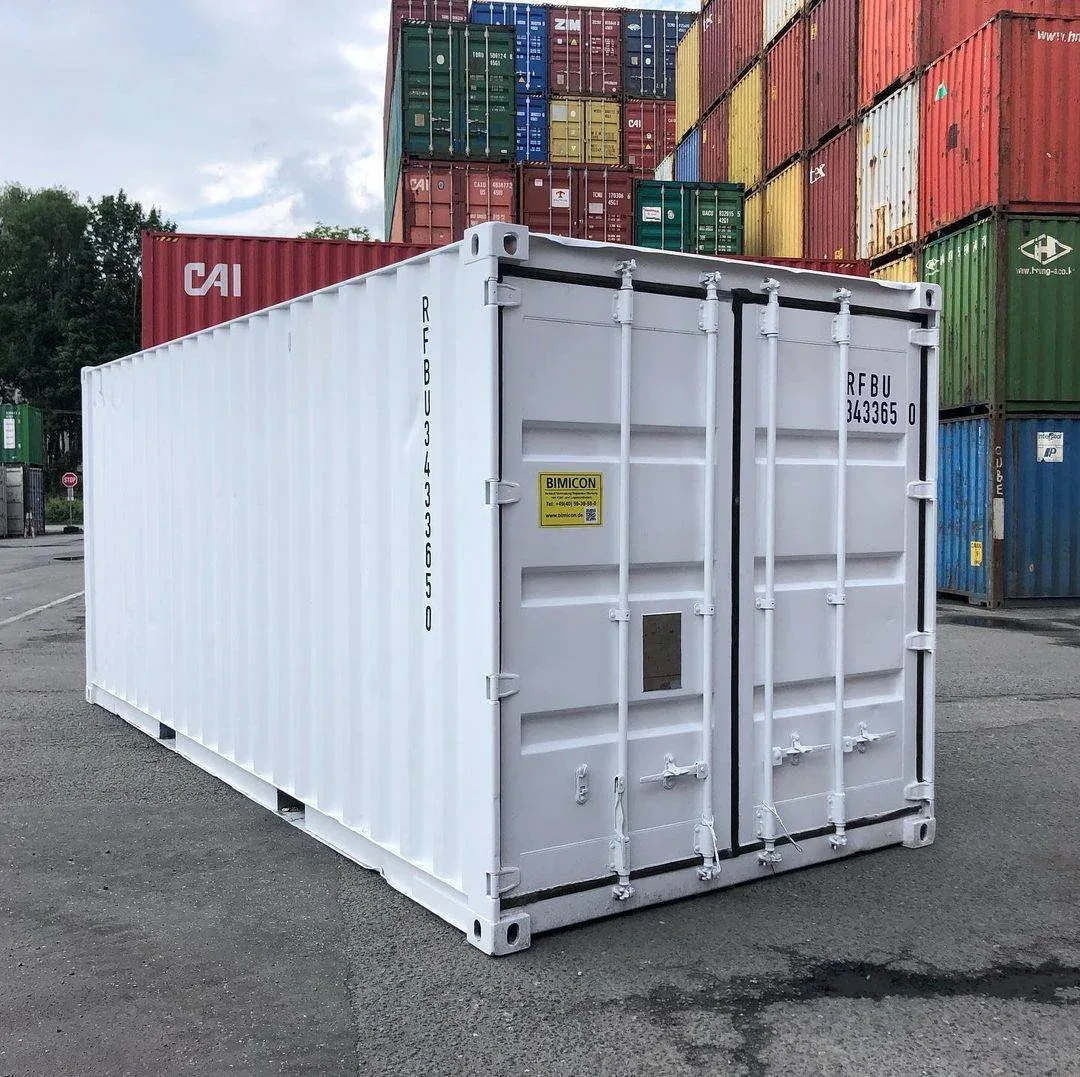
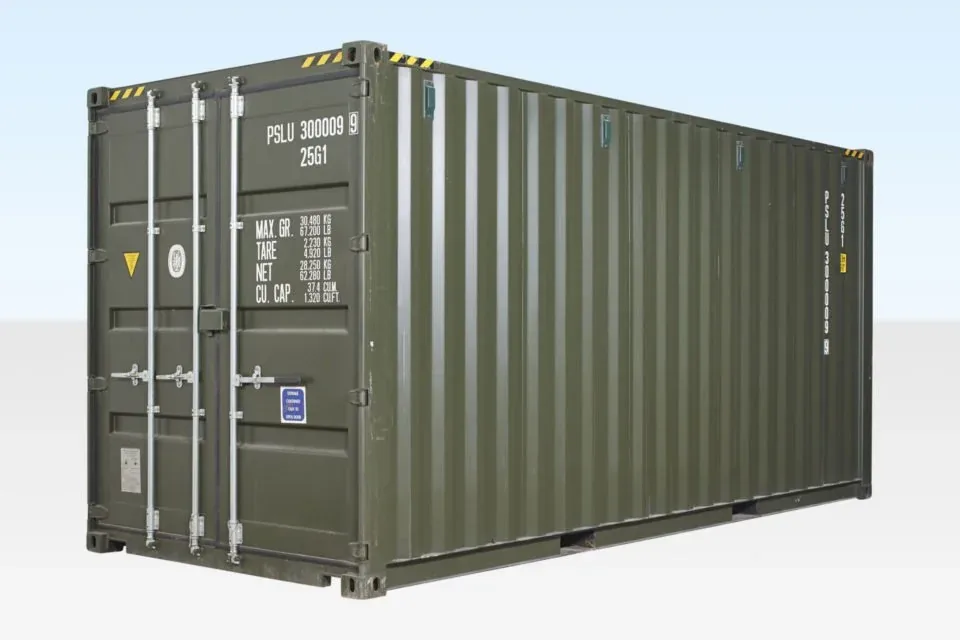
- A valid CSC safety approval plate. Riveted to the door. It carries the container number, date of manufacture, maximum gross and tare mass, the stacking allowance, and either a next examination date (NED) or an ACEP code.
Australian Marine Order 44 does not allow a container to be loaded onto or unloaded from a ship without a valid Safety Approval Plate. Under the periodic examination scheme the plate has to be re-examined on a cycle that begins five years after manufacture, and carriers generally want months left to run on it, not days. Read that date before you pay for the container. A plate that lapses mid-voyage is not something anyone can fix at the terminal.
The grade names — new, one-trip, used, wind and watertight — are set out in new, one-trip or used containers. For export the shorthand you want is cargo-worthy, and a one-trip unit is the least risky way to get there: it has done a single loaded voyage, so the steel is square and the plate is current.
20 ft or 40 ft: pick on volume, not weight
Both sizes are rated to the same maximum gross mass, so a 40 ft does not carry twice the cargo — it carries twice the volume. On dense freight such as steel, tile, machinery or drums you will run out of weight in a 20 ft with space still empty. On light bulky freight such as furniture, insulation or flat-packed product, the 40 ft moves it for less per cubic metre.
| Size | Internal length | Internal width | Internal height | Max gross | Typical tare |
|---|---|---|---|---|---|
| 20 ft | 5.90 m | 2.35 m | 2.39 m | 30,480 kg | 2,200–2,400 kg |
| 40 ft | 12.03 m | 2.35 m | 2.39 m | 30,480 kg | 3,700–3,900 kg |
| 40 ft high cube | 12.03 m | 2.35 m | 2.69 m | 30,480 kg | 3,900–4,100 kg |
Those figures are typical of a general purpose steel box and good enough for planning. The numbers that count for the unit you are buying are the ones stamped on its own plate — use those for weight calculations and for the tare figure in your mass declaration. A high cube buys about 300 mm of internal height, which matters for tall cargo and for anything loaded over the top of pallets; some carriers want high cubes declared at booking.
Anything that is not a standard box gets declared at booking
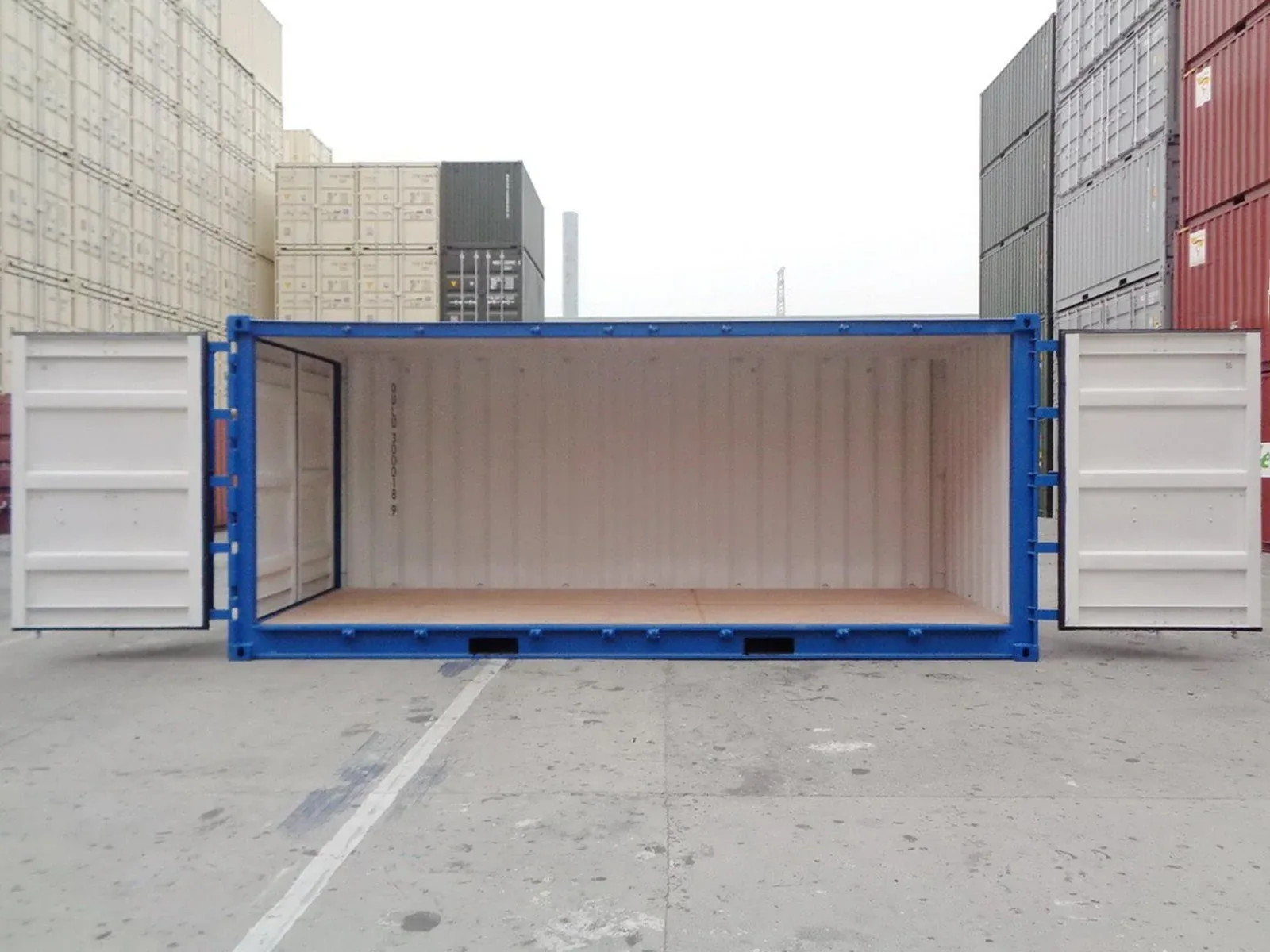
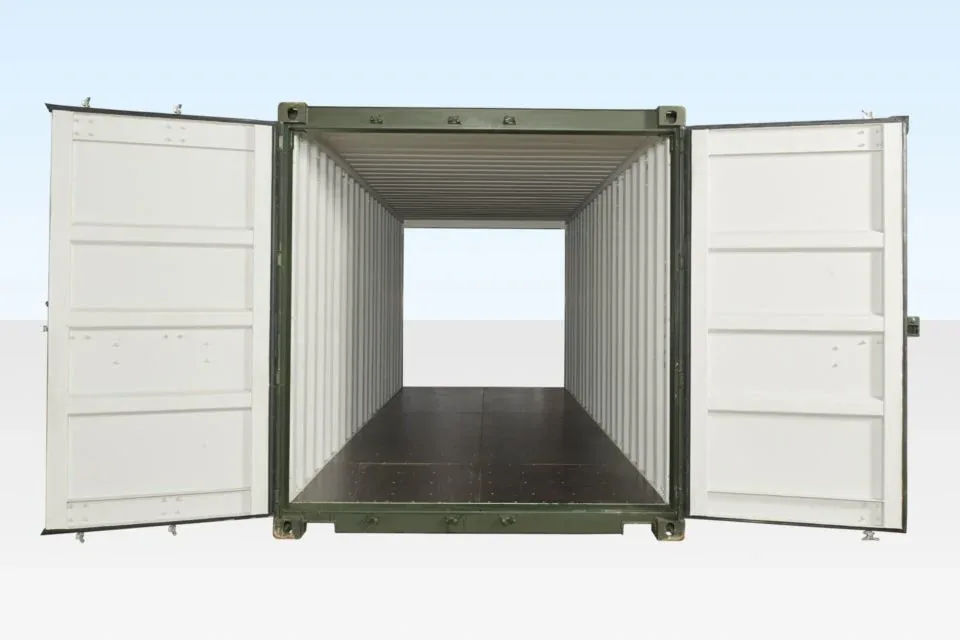
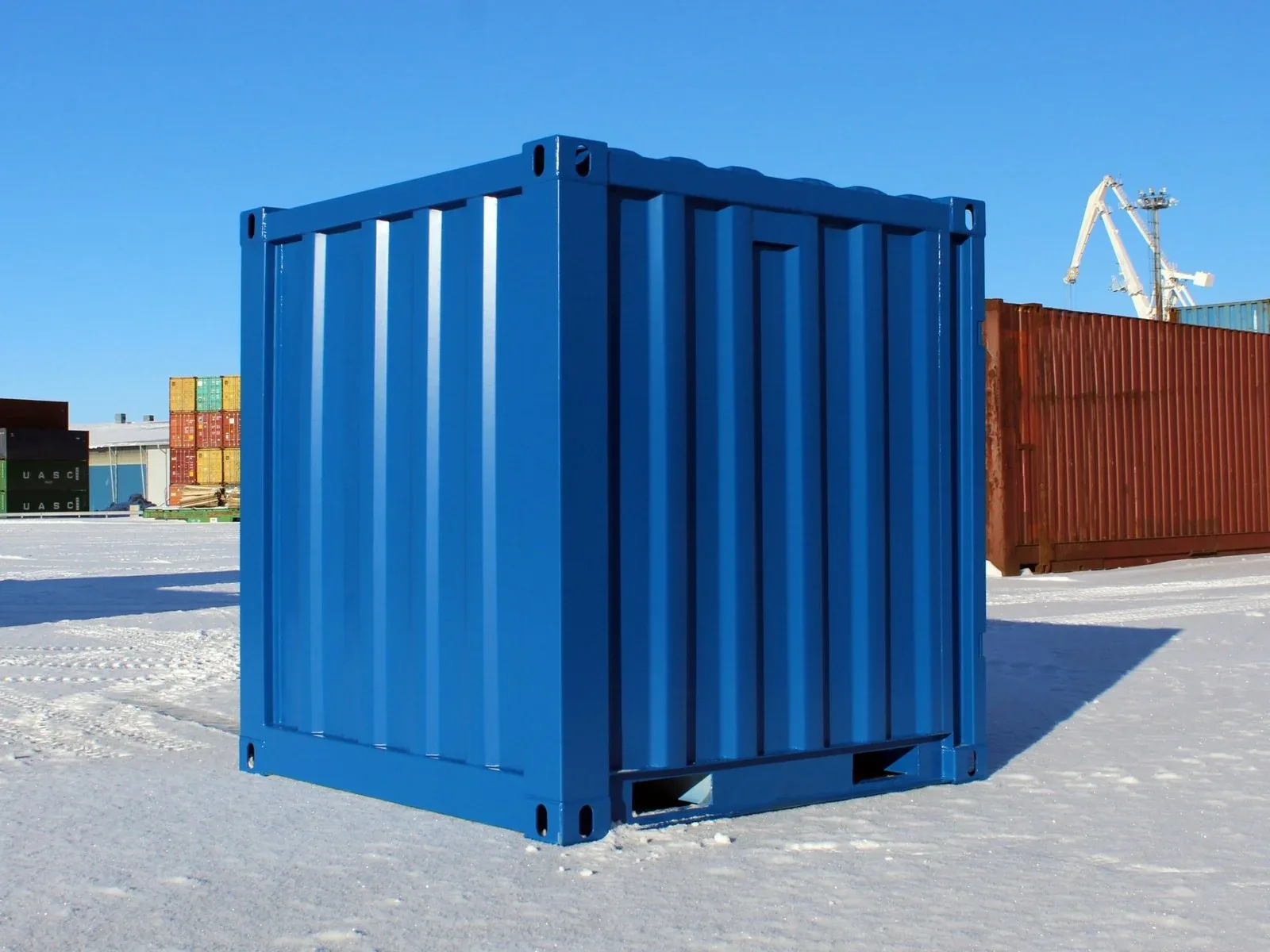
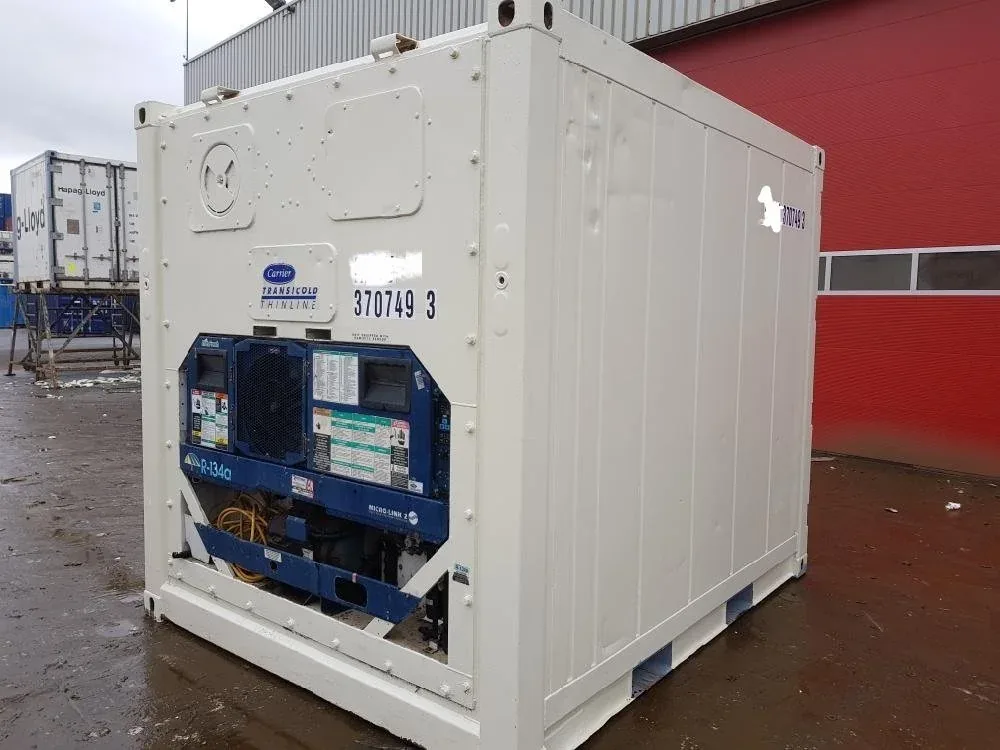
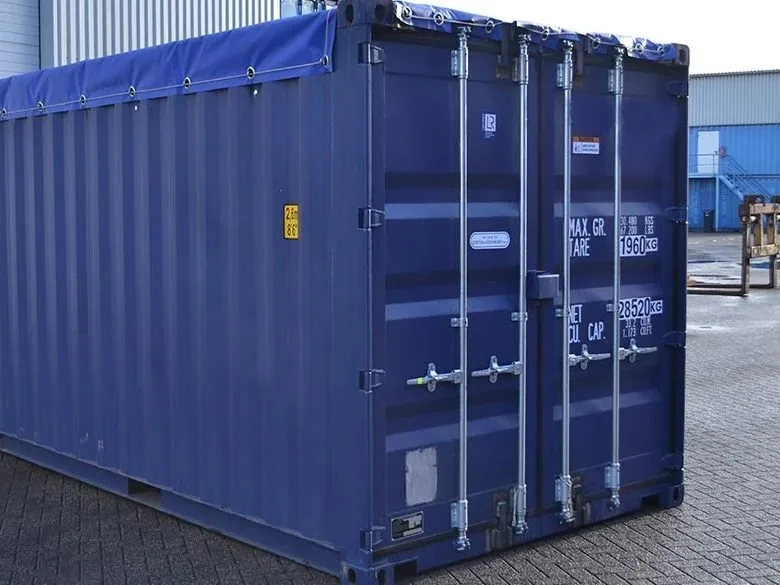
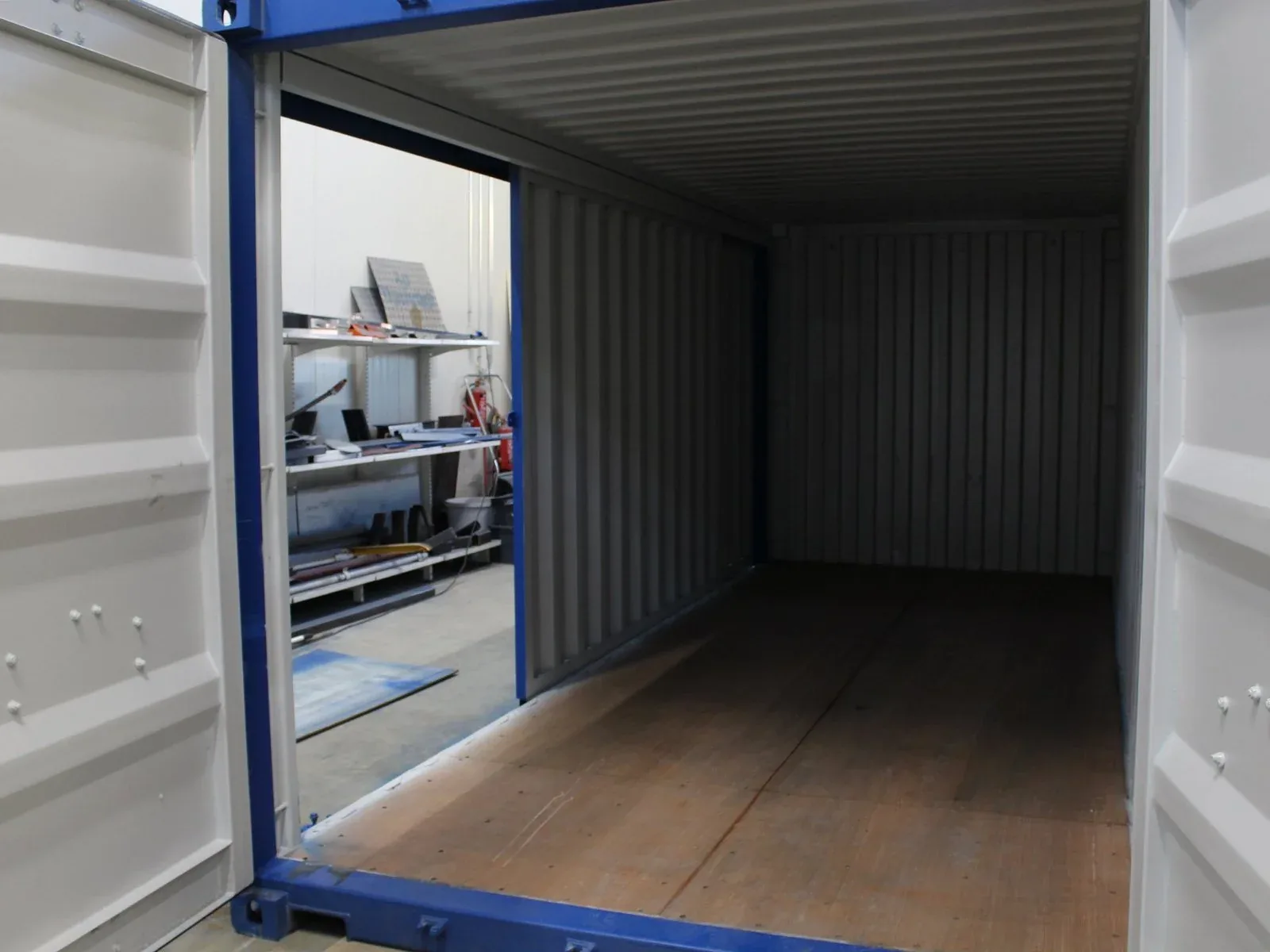
Carriers plan and price on ISO boxes: 20 ft and 40 ft, 2.44 m wide, standard or high cube. A 10 ft, 30 ft or 45 ft container, an open top, a tunnel or double-door unit, or anything that has been cut, modified or fitted out has to be declared when you book. It may be rated differently or refused, and the sensible move is to ask the forwarder before you buy rather than after. A modified container also loses its CSC approval unless the modification has been reassessed by an authorised inspection body, which is why a converted unit makes poor export cargo even when it looks tidy.
The containers for export range covers 20 ft one-trip and high cube units, open top and full side access boxes and a used 10 ft — every one of them listed with real photos and a GST-inclusive price.
No verified mass, no load
Every container loaded for export from Australia needs a Verified Gross Mass declared on the shipping documents first. There are two accepted ways to get it:
- Method 1 — weigh the packed and sealed container on a certified weighbridge and use that reading.
- Method 2 — weigh every item, pallet and piece of dunnage, then add the container's tare mass.
The declaration goes in before the carrier's cut-off, which usually sits ahead of the shipping instructions cut-off, so treat it as a hard deadline rather than a target. A container presented without a declared mass will not be loaded, and one that is out by a tonne or more can be re-weighed at the terminal and hit with a misdeclaration fee. Method 2 depends entirely on a legible tare figure on the plate — another reason to check the plate before you hand over money.
Getting it to your site, then to the port
Delivery of the container to any address in Australia is free, metro or remote — the freight is already in the listed price, and collecting from the Melbourne yard is free as well. Most exporters take delivery at their own site, pack it there where the stock and the forklift already are, then have it carted to the terminal.
That second move is the export leg, and it is arranged through your freight forwarder or wharf carrier, not through the container purchase. It is usually a sideloader or a wharf-rated truck with a booking slot at the terminal, and the cut-off is the carrier's, not yours. Plan the two moves separately: the container arriving at your site is one job, the packed container reaching the wharf by the receival cut-off is another.
Dispatch is 2–5 business days after payment clears. Published transit from there is 2–7 business days for Melbourne, Sydney, Brisbane, Adelaide and Canberra metro; 4–10 for regional VIC, NSW, QLD and SA; 7–15 for Perth, Darwin and Hobart, with Tasmania including the Bass Strait crossing; and 10–21 for remote or unsealed-access sites, confirmed case by case. If your vessel is already booked, work backwards from the cut-off and allow for a delivery that slips a few days.
An alternative that suits exporters without hardstand: have the container delivered to a container park near the port, pack it there, and let the forwarder take it the last few kilometres. The delivery is still free, and you are not storing a laden container on your own site for a fortnight.
Packing it so it arrives the way it left
- Load heavy items low and spread across the floor, and keep weight off the doors.
- Brace and dunnage so nothing can shift — the container will be lifted, driven and lifted again, and nothing inside it cares which way is up.
- Pack to the CTU Code, the international packing standard the carrier and the surveyor both work from.
- Any timber you use inside — pallets, crates, dunnage — needs to be heat-treated and ISPM 15 stamped, or the destination country can refuse or fumigate the load.
- Record the seal number, and photograph the packed load and the closed doors. It settles arguments later.
What to confirm before you pay
- A photograph of the CSC plate on the actual unit, with a readable next examination date or ACEP code.
- The container number and ISO size and type code, and confirmation the unit has not been modified.
- The tare mass on the plate, matching the paperwork.
- The state of the doors, roof, floor and seals, in current photos of that container rather than a category image.
- Whether the unit is sold as cargo-worthy or only wind and watertight — they are not the same thing and the price difference is real.
If you already know what you are shipping and where it is going, say so when you ask — we would rather talk you into the right unit than sell you the wrong one, and an export mistake gets expensive at the wharf. Start with the container buying guide for sizes and grades, or send us the details and we will come back with a delivered price on the right box.